If you're wondering how to move a washer and dryer, you're facing one of the tougher DIY moving tasks. These appliances weigh 150-250 pounds each and need proper disconnection of water, gas, and electrical systems. This guide covers safe moving techniques, compares DIY versus professional options, addresses challenges like stairs and stacked units, and helps you decide when hiring experts makes sense.
Should You Move Your Washer and Dryer Yourself or Hire Professional Movers?
Deciding between DIY and professional appliance moving isn't just about saving money. It's about understanding the physical demands, technical requirements, and potential risks involved. Most homeowners underestimate the challenges of moving 150-250 pound appliances through tight spaces, up stairs, or around corners. This leads to injuries, property damage, or appliance malfunctions that cost far more than hiring help. Here's what you need to consider:
- Physical capability and equipment requirements: Standard washers weigh 150-175 pounds while dryers range from 125-150 pounds. You'll need at least two physically capable adults, an appliance dolly rated for 800+ pounds, and proper lifting technique to navigate stairs, narrow hallways, or truck ramps safely.
- Technical complexity and local regulations: Gas dryers require professional disconnection in many North Carolina jurisdictions, including parts of Charlotte and Raleigh. Improper water line or electrical disconnection can cause flooding or damage sensitive control boards.
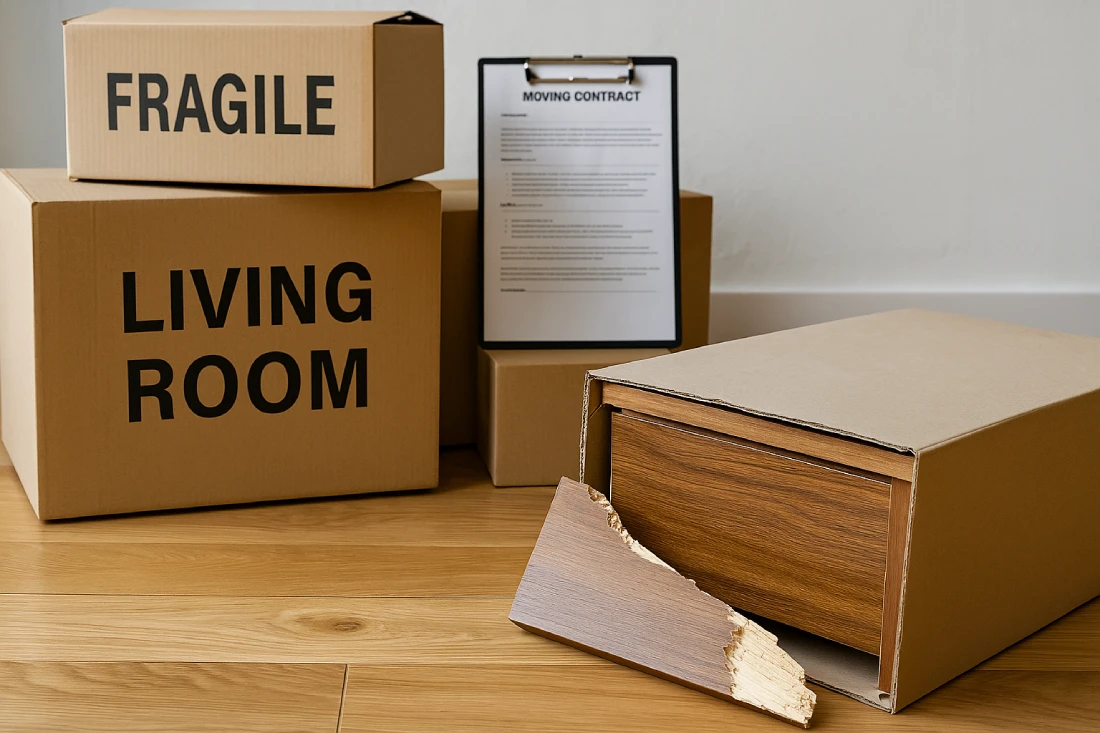
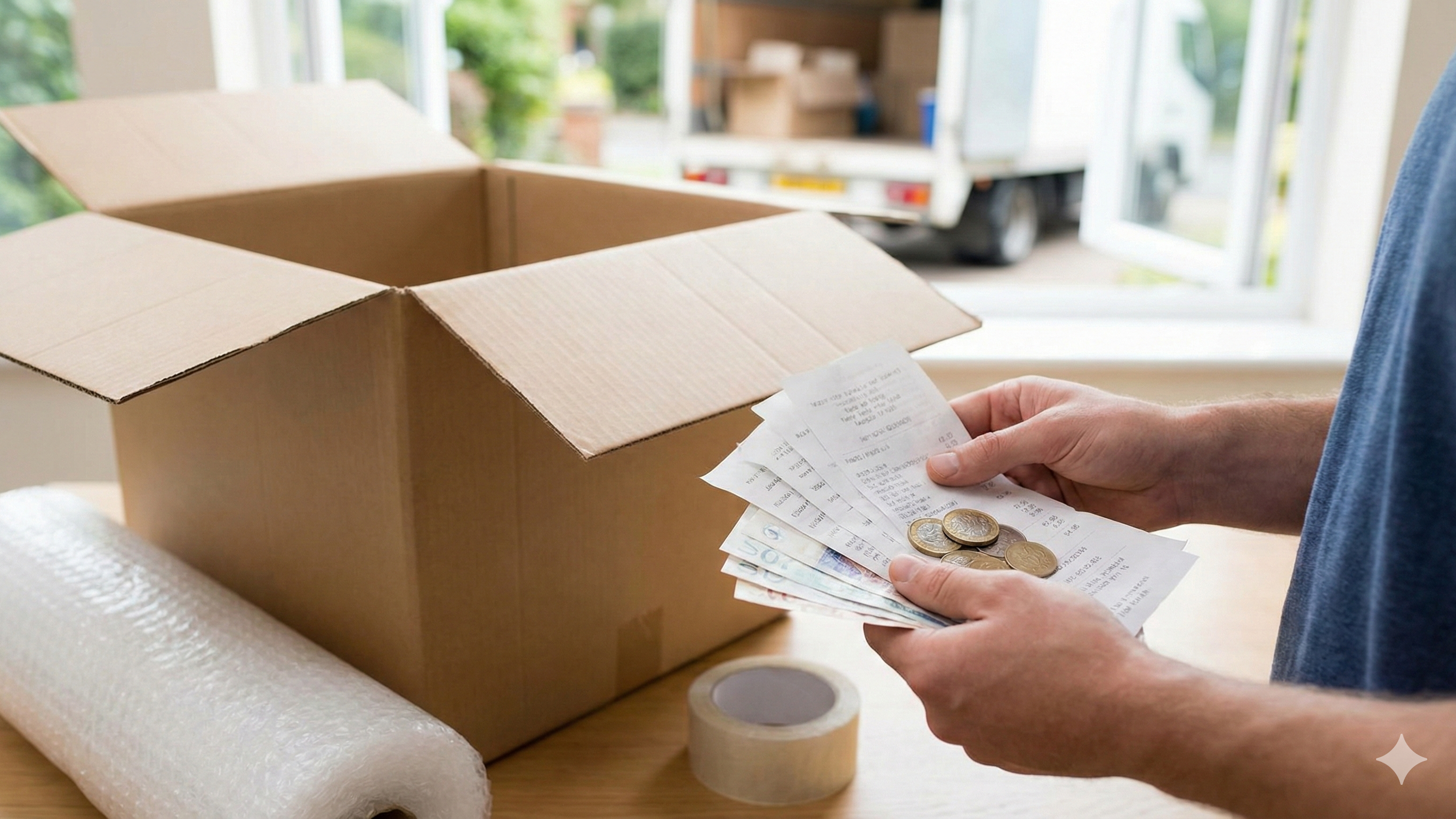
- Hidden costs of property damage: Scratched hardwood floors, dented walls, and damaged door frames from DIY moves often exceed the $150-300 cost of professional movers who carry insurance and complete the job in 30-90 minutes.
- Time investment versus professional efficiency: DIY appliance moving typically takes 3-5 hours including preparation and cleanup. Experienced movers handle disconnection, transport, and reinstallation in under two hours, freeing you to focus on other moving day tasks.
Equipment & Tools Checklist for Moving Washers and Dryers
Successful appliance moving requires specific tools that most households lack. Renting or purchasing this equipment often approaches professional moving costs when you factor in everything needed.
Moving Equipment:
- Appliance dolly with straps: Heavy-duty model rated for 800+ pounds ($40-60 rental)
- Furniture sliders: Heavy-duty plastic or felt pads for maneuvering on floors
- Moving straps: Forearm or shoulder straps for team lifting ($25-40)
- Moving blankets: Minimum four blankets for protection during transport
Disconnection Tools:
- Adjustable wrench set: For water line connections and leveling feet
- Channel lock pliers: Gas line and hose clamp removal
- Bucket and towels: Catching residual water from hoses
- Zip-lock bags: Storing bolts, screws, and small hardware
Safety Equipment:
- Work gloves: Non-slip grip for handling smooth metal surfaces
- Closed-toe shoes: Steel-toe boots ideal for protection
- Back support belt: Reduces strain during lifting
- Knee pads: Protection when working at floor level
Preparing Your Home and Moving Path Before Relocating Appliances
Most moving day problems come from poor route planning rather than the actual lifting and transporting. Homeowners often overlook critical measurements (doorways, hallways, and staircases) only to discover their 27-30 inch wide appliances won't fit through 28-inch doorframes once handles and control panels add extra width. Taking 30 minutes to measure your route, identify tight spots, and plan for obstacles like furniture or elevator reservations saves hours of frustration and prevents costly damage to walls, floors, and appliances. Here's how to prepare your home for smooth appliance relocation:
- Measure every passage point along your route: Standard washers and dryers measure 27-30 inches wide and 30-34 inches deep, but protruding handles and control panels add 2-4 inches. Document doorway widths, hallway clearances, and stairwell dimensions to identify spots requiring door removal or appliance tilting.
- Clear and protect your entire moving path: Remove furniture, rugs, and decorations that create tripping hazards or block movement. Lay cardboard or hardboard along the route and cover door frames with moving blankets. These materials cost under $30 but prevent hundreds in damage to hardwood floors common in Charlotte's historic neighborhoods.
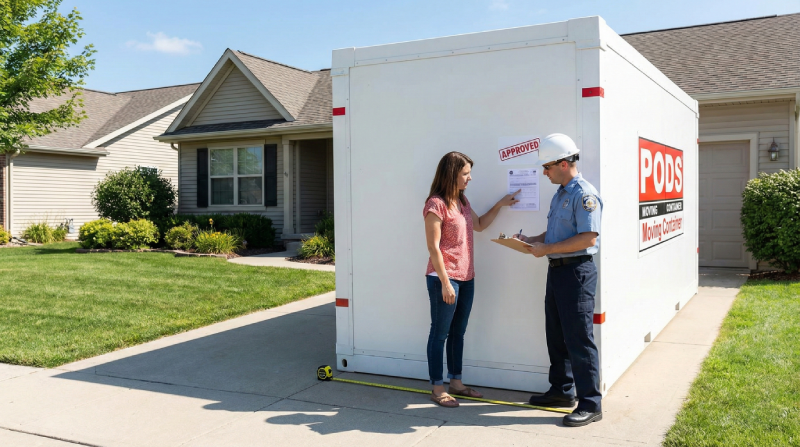
- Remove doors and reserve building access ahead of time: Taking doors off hinges takes five minutes but eliminates hours of struggle in tight spaces. In Charlotte's South End or Raleigh's downtown apartment buildings, reserve freight elevator time with building management to avoid moving day delays.
- Use furniture sliders instead of dragging appliances: Even short-distance dragging damages hardwood floors and tile. Heavy-duty plastic or felt sliders let you maneuver appliances safely without scratching surfaces or straining your back.
Disconnecting Water, Gas, and Electrical Lines Before Moving Day
Proper utility disconnection prevents flooding, gas leaks, and electrical damage. Start this process 24 hours before moving to allow time for draining and drying.
Water Line Disconnection
Turn off the hot and cold water valves behind the washer completely. Place towels and a bucket beneath connections before loosening hoses with pliers. Water hoses hold surprising amounts of residual water that will spill during removal. Drain hoses into the bucket, then store them in a sealed bag taped to the washer to prevent loss.
Electrical Disconnection
Unplug both appliances from wall outlets (never pull cords to disconnect). For 240-volt dryer outlets, check that the circuit breaker is off before unplugging to prevent arcing. Secure power cords to the appliance bodies with tape to prevent dragging and damage during movement.
Gas Dryer Disconnection
Shut off the gas valve behind the dryer by turning it perpendicular to the pipe. In North Carolina, including Charlotte and Raleigh metros, only licensed technicians can legally disconnect and reconnect gas lines. Budget $75-150 for professional gas line service rather than risking fines or dangerous leaks.
Special Considerations for Front-Load Washers
Front-loading washers require shipping bolts to secure the drum during transport. Without these bolts, the drum moves freely and can suffer irreparable damage. Order replacement shipping bolts from the manufacturer if you've discarded the originals. They typically cost $15-25 and are model-specific.
Moving Your Washer and Dryer Step-by-Step for Safe Transport
With utilities disconnected and paths cleared, follow these step-by-step instructions for safe appliance transport:
Step 1: Secure All Loose Components
- Tape washer lids closed with strong packing tape (avoid duct tape which leaves residue)
- Secure dryer doors with packing tape
- Remove and pack dryer lint traps, washer dispensers, and detachable components separately
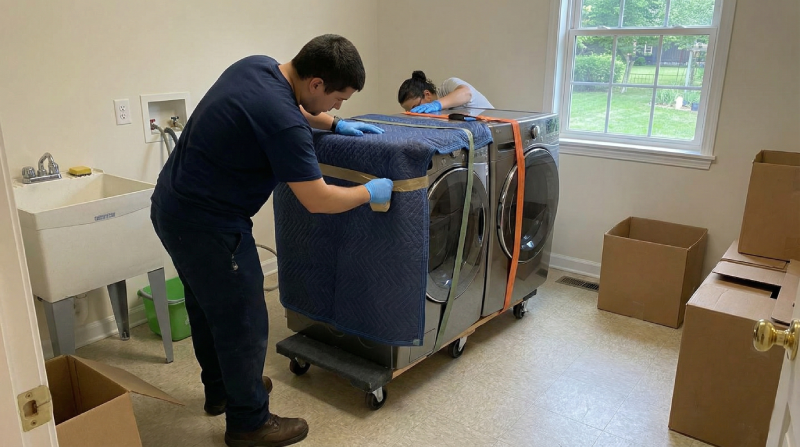
- Wrap each appliance completely in moving blankets
- Secure blankets with stretch wrap or tape to prevent shifting during transport
Step 2: Position and Secure the Appliance on the Dolly
- Position your appliance dolly at the appliance's side (not front or back)
- Tilt the appliance slightly while your partner slides the dolly plate underneath
- Secure straps tightly across the appliance's body in an X-pattern for maximum stability
- Tilt back to maintain a 45-degree angle. Too vertical risks tipping backward, while not enough tilt makes steering difficult
Step 3: Navigate Doorways and Tight Spaces
- Approach doorways at angles when necessary
- Assign roles: one person guides while the other controls the dolly
- For tight corners, use furniture sliders to pivot the appliance rather than lifting repeatedly
Step 4: Maintain Clear Communication Throughout the Move
- Use clear, specific terms like "stop," "tilt left," or "lower slowly"
- Avoid vague directions that cause confusion and accidents
- Check in frequently with your partner about balance and positioning
If you're coordinating a full household move, understanding how to pack a moving truck efficiently will help you plan appliance placement for safe transport.
Moving Washers and Dryers Upstairs, Through Tight Spaces, and Stacked Units
Moving washers and dryers up or down stairs multiplies both difficulty and danger exponentially. Each step requires coordinated lifting, and any mistake risks serious injury or appliance damage tumbling down stairs.
Stair Navigation
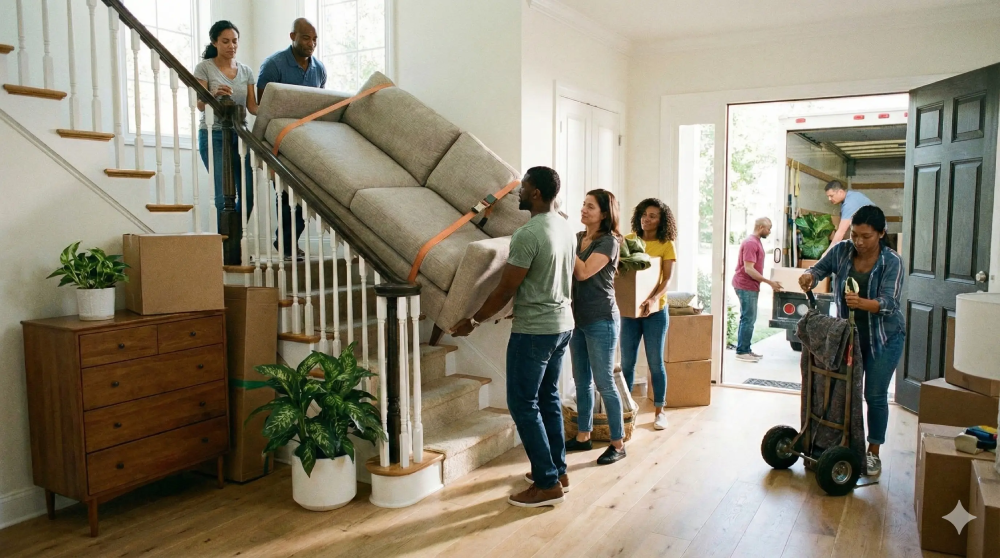
For stairs, position the person with the dolly at the bottom going up or the top going down. Take one step at a time, with the dolly operator controlling descent speed while the assistant provides stability and guidance. On landings, rest completely rather than rushing—fatigue causes most stair-related moving injuries. Many Charlotte-area townhomes and Raleigh split-levels feature narrow staircases that require removing handrails for adequate clearance.
Stacked Washer-Dryer Units
Stacked units should be separated whenever possible. The combined weight exceeds 300 pounds and creates dangerous top-heavy loads. If separation isn't possible due to integrated designs, hire professionals with specialized equipment. Attempting to move stacked units without proper equipment virtually guarantees damage or injury.
Tight Spaces and Closets
Laundry closets in apartments require creative maneuvering. Remove closet doors entirely and use furniture sliders to shift appliances sideways. In extreme cases, you may need to remove the appliance's feet or control panel knobs for clearance—document any modifications with photos for proper reassembly. For those dealing with apartment moves, understanding building restrictions and elevator reservations becomes especially important.
Re-Installing Your Washer and Dryer After Moving to the New Location
Installing your washer and dryer correctly prevents common problems like leaks, excessive vibration, and premature wear. While disconnection focuses on avoiding immediate damage, proper reinstallation determines whether your appliances will work reliably for years or need costly repairs within months. Here's what you need to check during reinstallation:
- Position and level appliances before finalizing connections: Place appliances in their spots without pushing them fully against walls until all connections are tested. Use adjustable feet and a bubble level to make sure both units sit perfectly level. Unlevel washers cause excessive vibration that damages internal components and creates noise issues.
- Reconnect water lines with proper tightness to avoid leaks: Hand-tighten connections first, then add only a quarter turn with pliers. Over-tightening damages rubber washers and causes the very leaks you're trying to prevent, while under-tightening leads to slow drips that damage flooring over time.
- Remove shipping bolts from front-loaders before first use: Front-loading washers require shipping bolt removal before operation, or the secured drum will destroy the suspension system during the first spin cycle. Keep these bolts in a labeled bag for future moves.
- Run a complete test cycle to identify issues immediately: Before loading laundry, run an empty test cycle and check all connection points for leaks, verify proper drainage, and confirm the dryer vents correctly. Addressing problems with an empty machine beats discovering issues with a full load of wet clothes.
Comparing DIY Costs Versus Hiring Professional Movers for Washers and Dryers
DIY appliance moving looks cost-effective at first glance, but hidden expenses and time commitments quickly narrow the gap between self-service and professional help. Most homeowners focus on equipment rental fees without factoring in specialty services like gas line disconnection, protection materials, or the 3-5 hour time investment that pulls you away from other moving tasks. Here's what you'll actually spend on each approach:
DIY Moving Expenses:
- Equipment and materials total $90-120: Appliance dolly rentals run $60-80, while moving blankets, straps, and floor protection add another $30-40.
- Gas line disconnection requires licensed professionals: North Carolina regulations mandate certified technicians for gas work, costing $75-150 regardless of DIY status.
- Time investment averages 3-5 hours per appliance pair: This includes disconnection, prep work, physical moving, and reinstallation. That's time you could spend on other moving priorities.
- Injury and damage risks carry hidden costs: Back injuries, wall damage, or appliance repairs from improper handling can run into thousands of dollars.
Professional Moving Investment:
- Standard appliance moving costs $150-300 in Charlotte and Raleigh: This flat rate includes labor, specialized equipment, basic insurance coverage, and typically takes 1-2 hours with experienced two-person crews.
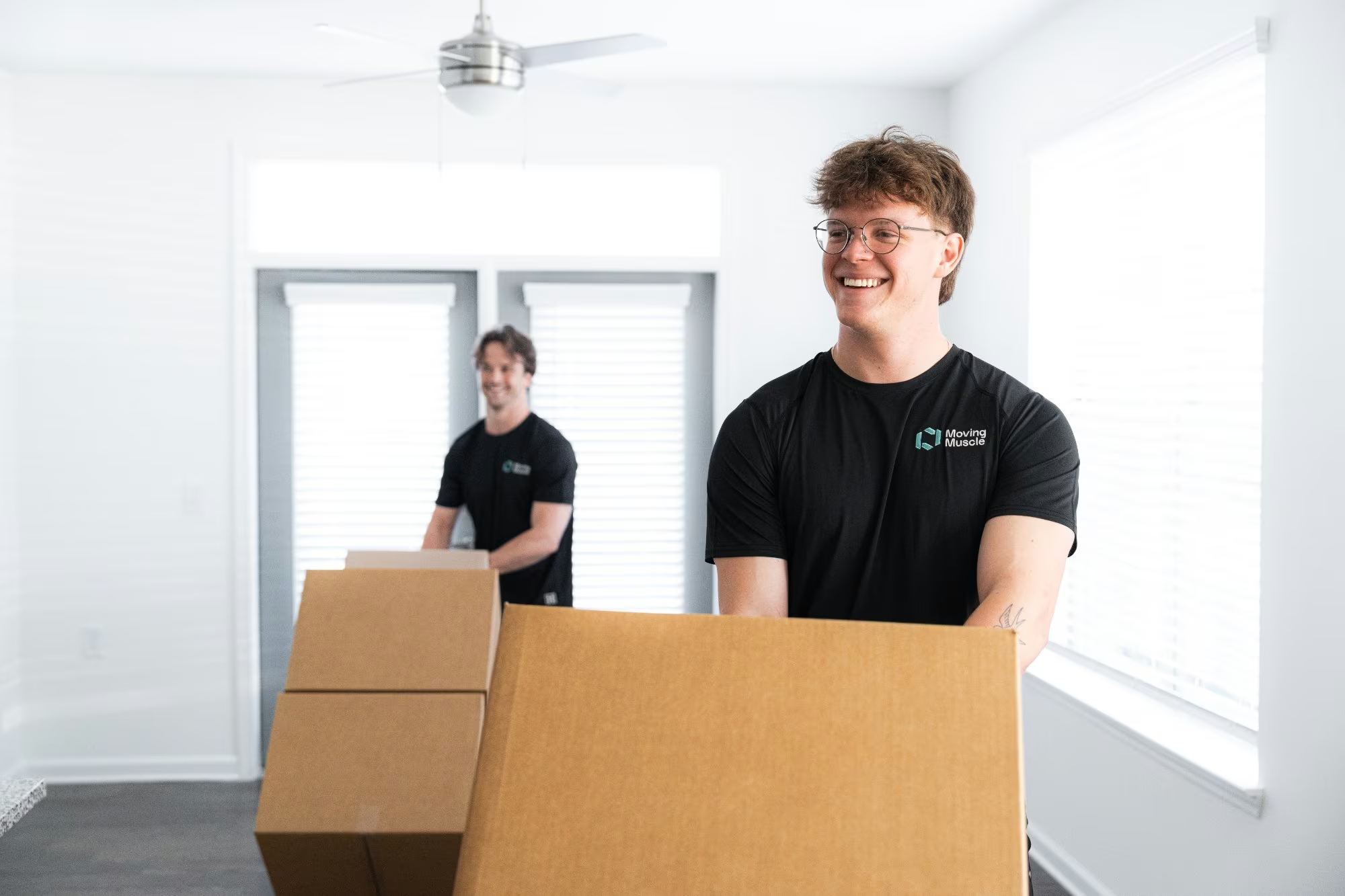
- Hourly labor-only options provide flexibility at $50 per mover: Services like Moving Muscle charge transparent hourly rates, allowing you to control the truck and timeline while professionals handle the physically demanding work.
- Professional service eliminates hidden expenses and risks: No equipment rentals, no injury concerns, and insurance coverage protects against damage. Plus you reclaim 3-5 hours for other moving tasks.
For a comprehensive comparison, explore the full breakdown of moving yourself vs hiring movers.
When You Should Hire Professional Movers for Your Washer and Dryer
Certain situations demand professional expertise regardless of DIY ambitions. Hire professionals when facing stairs in your moving route, dealing with stacked or built-in units, lacking physically capable helpers, or moving expensive high-end appliances where damage costs exceed moving fees.
Time constraints also justify professional help. If you're coordinating an entire household move, spending half a day on two appliances makes little sense when professionals complete the job in under an hour. In apartment buildings with strict moving windows or elevator reservations, professionals' efficiency prevents costly delays or rescheduling fees. For those needing flexible assistance, labor-only movers can provide the muscle while you maintain control over the truck and timeline.
Your Next Steps for Moving Your Washer and Dryer
Successfully moving appliances hinges on three decisions: securing shipping bolts for front-loaders, measuring doorways before moving day, and recognizing when stairs justify professional help. Most damage occurs from skipped preparation steps rather than the move itself. If you're relocating in Charlotte or Raleigh and need experienced teams for appliance moves, Moving Muscle's labor-only service provides the muscle without the markup. Transparent hourly rates with no hidden fees.
Frequently Asked Questions
How much do washers weigh on average?
A: Standard top-load washers weigh 150-175 pounds, while front-load models typically weigh 200-250 pounds due to concrete counterweights for stability.
Can I transport a washer on its side?
A: Never transport washers horizontally. This damages suspension systems and can cause drum misalignment, requiring expensive repairs.
Do I need shipping bolts for moving a top-load washer?
A: Top-loaders don't require shipping bolts, but you should secure the agitator with towels and tape the lid shut.
What's the best way to move the washer and dryer upstairs?
A: Use a stair-climbing appliance dolly with a helper, taking one step at a time with the dolly operator positioned at the lower position. For additional guidance on heavy items, check out tips on how to move a fridge, which shares similar challenges.
How far in advance should I disconnect my washer before moving?
A: Disconnect 24 hours early to allow thorough draining and drying, preventing mold growth during transport or storage.
Can Moving Muscle help with appliance-only moves?
A: Yes, professional movers handle appliance-only jobs, typically completing washer-dryer moves in 1-2 hours with proper equipment and insurance coverage.











































.webp)