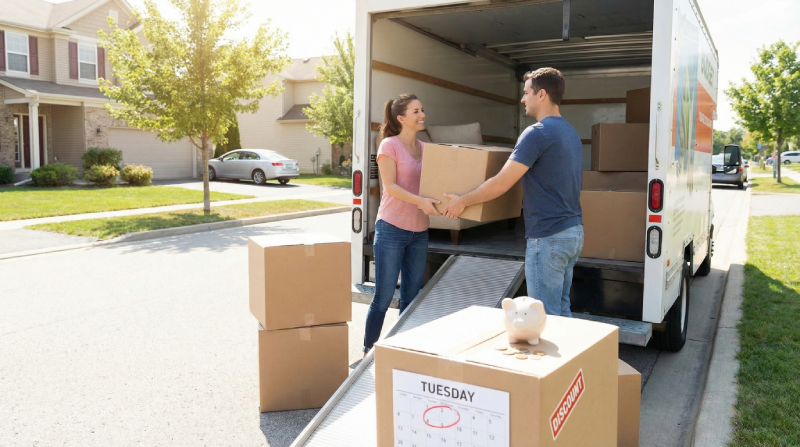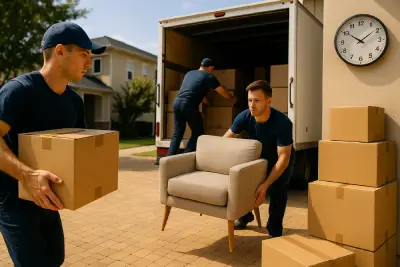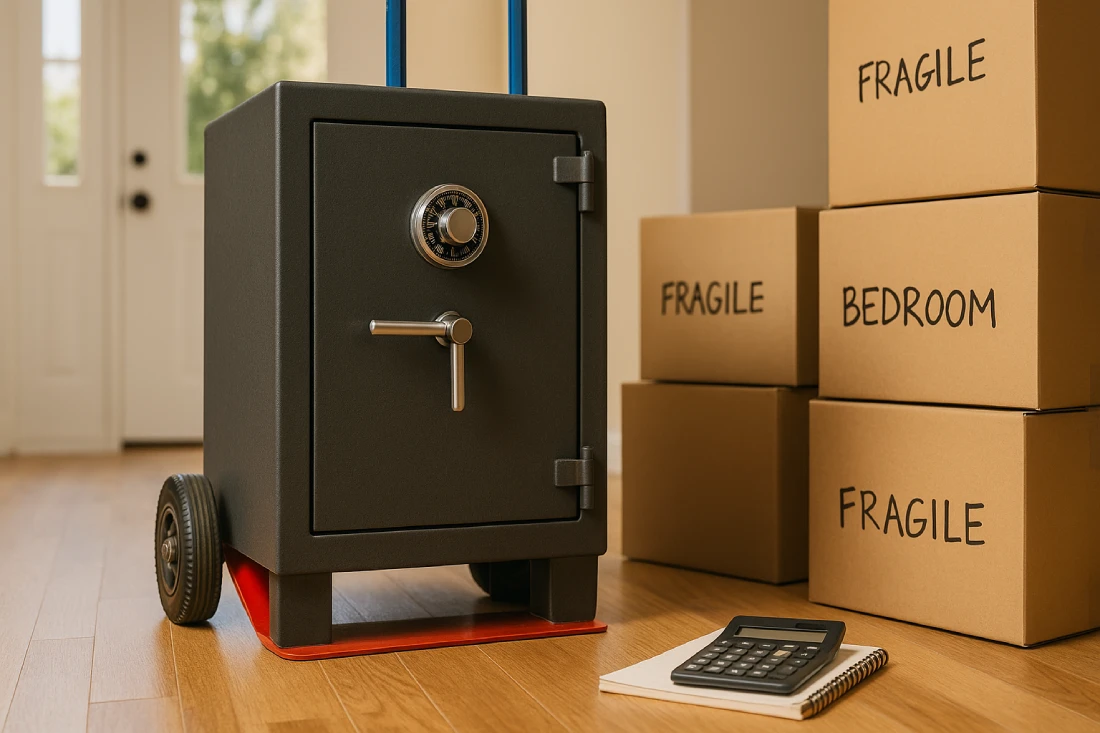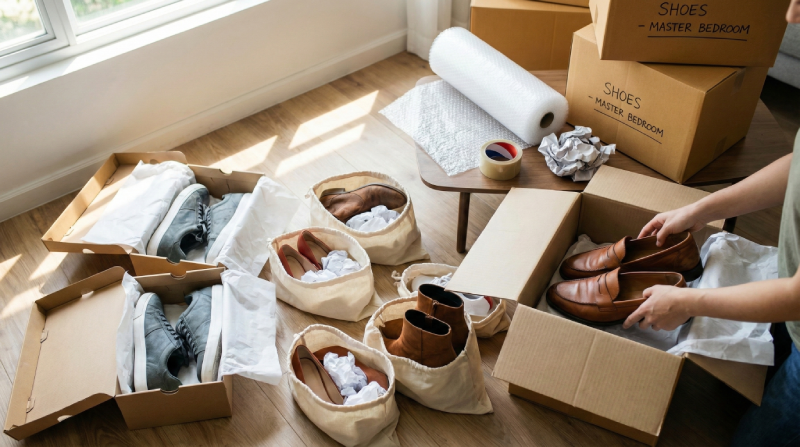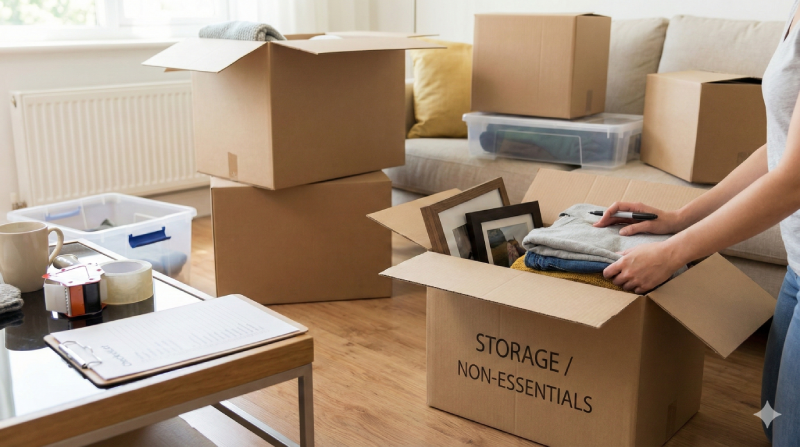
When deciding what to pack first when moving, start with storage areas and seasonal items you won't need for weeks. Moving to a new home requires a smart approach that keeps your household working while you prepare for departure. Pack non-essentials early, keep daily necessities accessible, and follow a systematic timeline to avoid last-minute chaos. This room-by-room packing order shows you exactly when to pack each area, which items need special handling, and how to prevent common mistakes that complicate your move.
Why Packing Non-Essentials First Reduces Moving Stress
The most successful moves follow one simple principle: pack non-essentials first and daily necessities last. This approach keeps your life running smoothly while boxes pile up around you. Starting with items you won't miss for weeks or months means you can begin packing early without disrupting your routine.
A smart packing order also speeds up unpacking at your new home. When you pack systematically by room and priority, you'll know exactly which boxes to open first. Your essentials box arrives with you, not buried in a truck somewhere between your winter coats and holiday decorations. This method reduces the typical three-week unpacking marathon to just a few focused days.
Pre-Move Decluttering and Packing Supplies Checklist
Most moving failures begin before the first box is taped. Poor preparation creates cascading problems that compound throughout the entire process. While it's tempting to immediately start throwing items into boxes, successful moves require two critical foundation steps that determine whether you'll arrive at your new home organized or overwhelmed. Here's how to set up your packing operation for maximum efficiency:
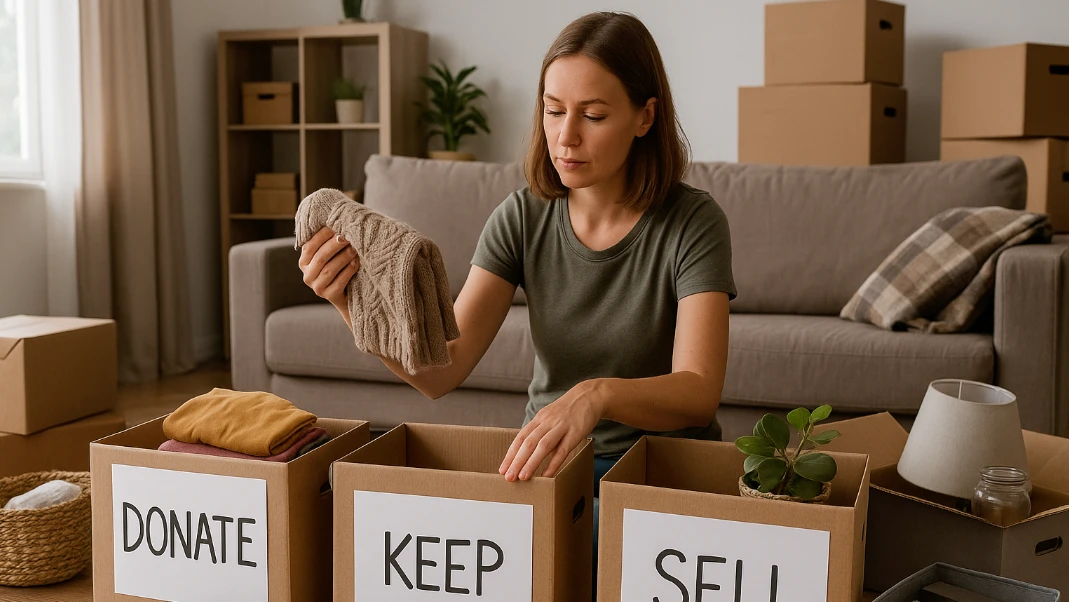
- Declutter systematically before purchasing any packing supplies. The average household contains 300,000 items but regularly uses only 20% of their belongings, making a move the perfect time to donate clothes that haven't left the closet in a year, sell furniture that won't fit your new space, and toss expired products cluttering cabinets.
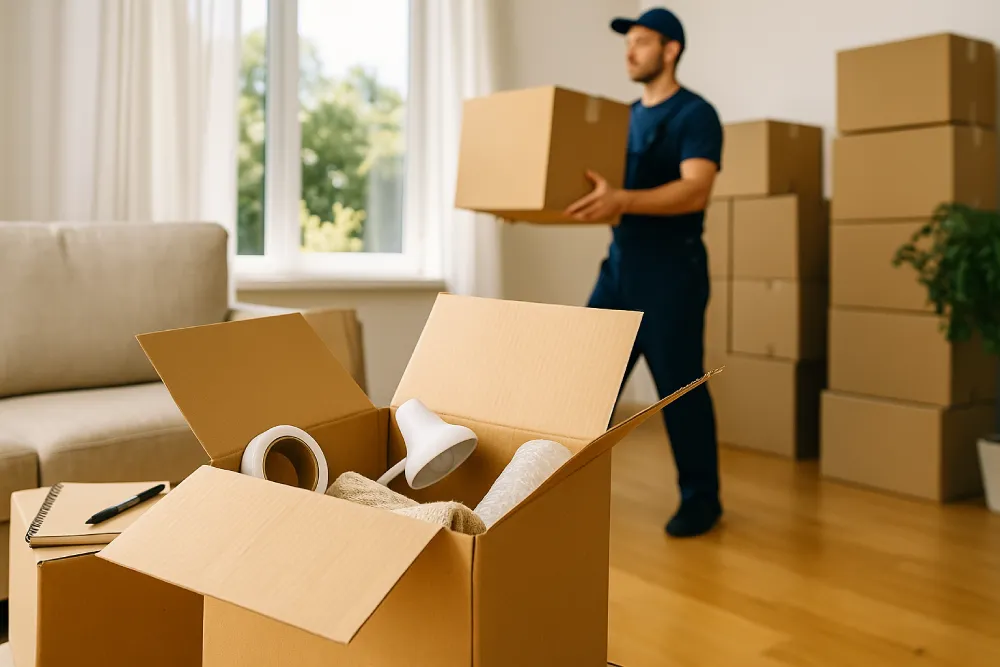
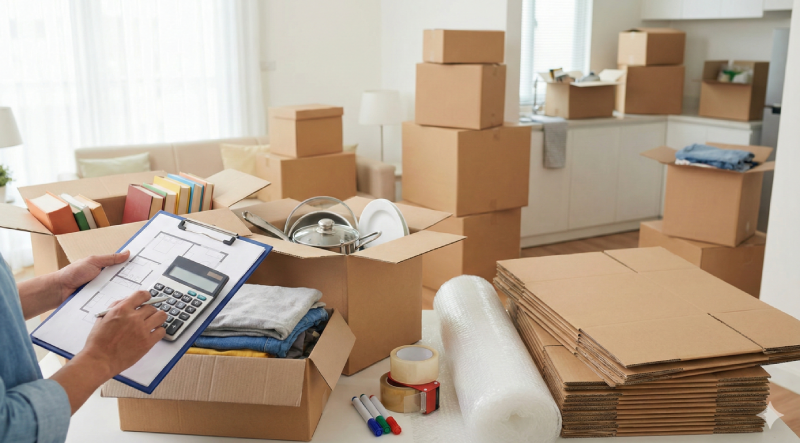
- Stock up on more boxes than you think you'll need. Running out of boxes mid-pack destroys your momentum and wastes time on emergency supply runs. Buy specialty boxes for dishes, wardrobe items, and electronics to protect valuable belongings during transport.
- Create an inventory system using numbered labels and a digital master list. Number each box sequentially and keep a simple spreadsheet or phone note listing what's inside each numbered box, making it simple to locate specific items without opening dozens of boxes at your destination.
- Set up a central packing station in your home. Keep all supplies, tape, markers, and packing materials in one accessible location so you're not hunting for scissors or bubble wrap every time you start a new box.
Room-by-Room Packing Timeline for an 8-Week Move
Your packing timeline determines whether you'll spend moving week in organized calm or last-minute panic. This room-by-room schedule keeps your home livable while steadily preparing for moving day.
Start With Storage Areas 4-8 Weeks Before Moving
Start your packing journey in the forgotten corners of your home: the garage, attic, basement, and shed. These spaces contain items you haven't touched in months, making them perfect for early packing. Box up holiday decorations that won't see daylight until next year. Pack your camping gear, sports equipment, and hobby supplies that gather dust between uses.
Off-season clothing takes up valuable closet space without serving any immediate purpose. If you're moving in summer, pack your heavy coats, boots, and sweaters. Winter movers can safely store swimsuits, shorts, and sandals weeks in advance. Label these boxes clearly with the season and contents, so you can easily find them when weather changes at your new home.
Pack Guest Rooms and Non-Essential Items 3-4 Weeks Out
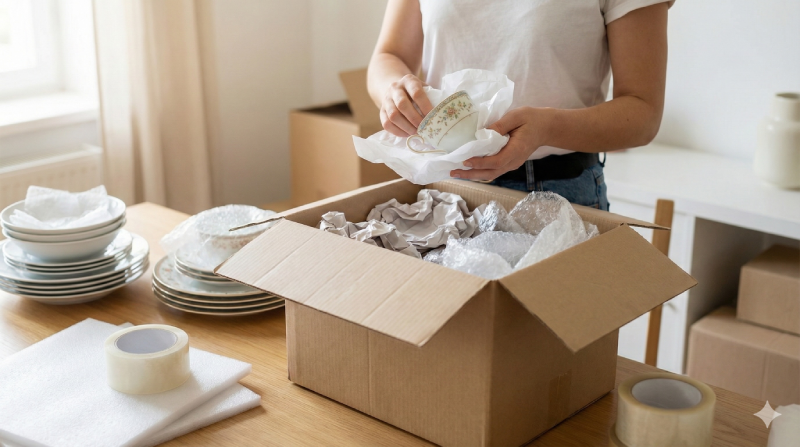
Guest rooms and home offices contain plenty of items you can live without for a few weeks. Pack extra linens, spare blankets, and decorative pillows that exist purely for visiting friends and family. Clear bookshelves of novels you've already read and reference books you rarely consult. Wrap artwork and photographs in bubble wrap, leaving walls bare but protecting memories from damage during transport.
This timeframe works well for packing collectibles, decorative objects, and sentimental items. Your grandmother's china can safely rest in boxes while you eat off everyday plates. Pack board games, DVDs, and extra electronics that entertain guests but aren't part of your daily routine.
Box Up Specialty Kitchen Appliances Two Weeks Before Moving
Your living room likely contains duplicate items and decorative pieces you can pack without missing. Box up throw pillows, extra blankets, and decorative objects from coffee tables and shelves. Disconnect and pack gaming consoles, spare remotes, and electronics you don't use daily. Keep one streaming device and remote accessible for evening entertainment during these final weeks.
Kitchen cabinets hide numerous rarely-used appliances and specialty cookware. Pack your bread maker, ice cream machine, and fondue set that only appear for special occasions. Store fancy serving platters, extra dish sets, and the good silverware you save for holidays. Keep enough plates, cups, and utensils for your family plus a few spares, packing everything else for transport.
Pack Extra Bedding and Bathroom Products One Week Before Moving
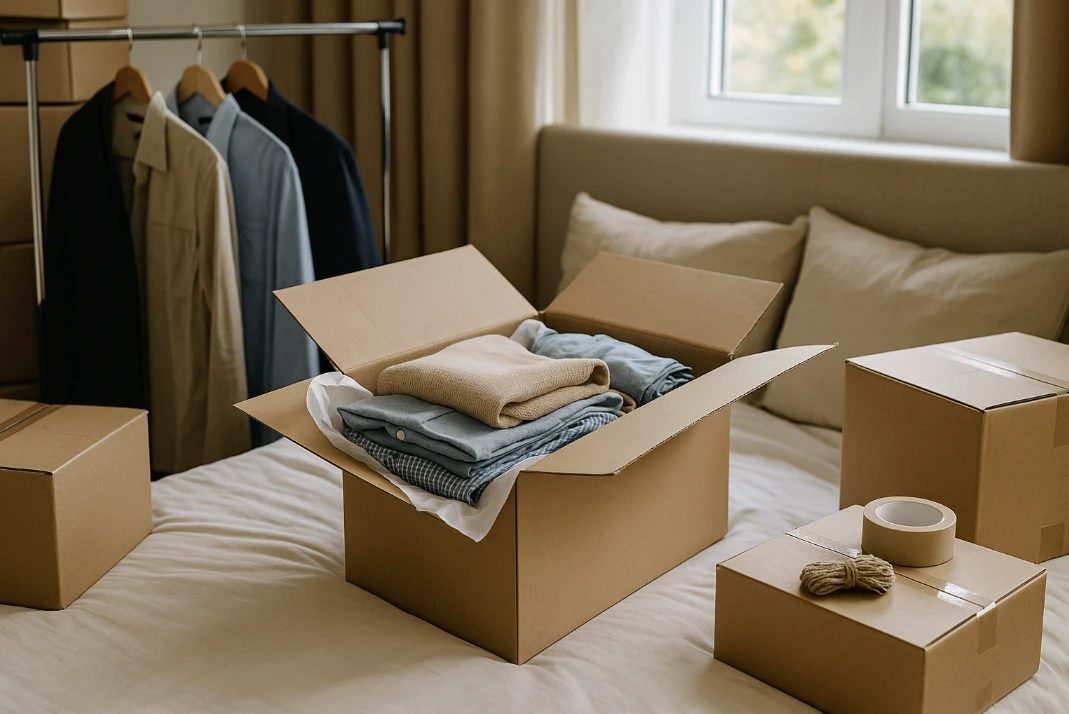
Bedrooms require careful packing to maintain comfort during your final week. Pack out-of-season bedding, decorative pillows, and extra sheet sets while keeping two sets per bed accessible. Sort through closets to pack clothes you won't wear in the next week, leaving out enough outfits for work and casual wear. Children's rooms need special attention. Pack toys in phases to avoid meltdowns while gradually reducing the selection.
Bathrooms accumulate products faster than any other room in the house. Pack backup shampoos, extra towels, and medicine cabinet overflow while keeping daily toiletries accessible. Sort through makeup and skincare products, packing items you use occasionally while keeping your daily routine intact. Leave out two bath towels per person and basic cleaning supplies for last-minute bathroom cleaning.
Prepare Your Essentials Box and Final Kitchen Items 2-3 Days Out
These final days require careful balance between packing progress and maintaining basic functionality. Pack most remaining kitchen items, keeping only necessary cookware for simple meals. Use disposable plates and cups to avoid last-minute dishwashing. Pack your coffee maker last if you're a morning coffee drinker. That first cup in your new home will taste like victory.
Create a clearly labeled "daily essentials" box containing medications, phone chargers, important documents, and basic toiletries. This box travels with you, not in the moving truck. Include a few changes of clothes, basic tools for reassembly, toilet paper, and snacks for moving day.
Pack Bedding and Medications on Moving Day
Moving day arrives with its own packing checklist. Strip beds and pack bedding in clearly marked boxes for easy first-night setup at your new home. Pack remaining clothes and toiletries from your morning routine. Do a final sweep through each room, checking closets, cabinets, and behind doors for forgotten items.
Your essentials box becomes your lifeline during the transition. Include prescription medications, phone chargers, important documents, cash for tips, snacks and water, basic toiletries, one complete outfit per person, and toilet paper for your new home. This box stays with you in your personal vehicle, never entering the moving truck.
Hazardous Materials and Prohibited Items Movers Won't Transport
Professional movers and rental truck companies prohibit certain items for safety and legal reasons. Never pack propane tanks, paint and paint thinners, pesticides and fertilizers, firearms and ammunition, or gasoline and motor oil. These hazardous materials require special disposal or personal transport in your own vehicle.
Perishable foods create mess and attract pests during transport. Use up frozen and refrigerated items in the weeks before moving, planning meals around emptying your pantry. Transport valuable jewelry, important documents, and family heirlooms personally rather than risking loss or damage in a packed truck. Keep prescription medications with you to avoid dangerous gaps in treatment if boxes arrive late.
Combining DIY Packing With Professional Moving Services
The decision between DIY packing and hiring professionals isn't all-or-nothing. Most successful moves combine both approaches to balance cost savings with protection for valuable items. While self-packing works well for everyday belongings, certain items demand professional expertise to avoid costly damage or injury during transport. Understanding which tasks to tackle yourself and when to call in experts can reduce your moving costs by 40-50% compared to full-service options while still protecting your most important possessions. Here's how to decide what to pack yourself and when professional help makes financial sense:
- Pack everyday items yourself to save on labor costs. Books, clothing, linens, and non-fragile household goods are straightforward to pack and don't require special training or equipment. Handling these yourself can cut hundreds of dollars from your moving bill.
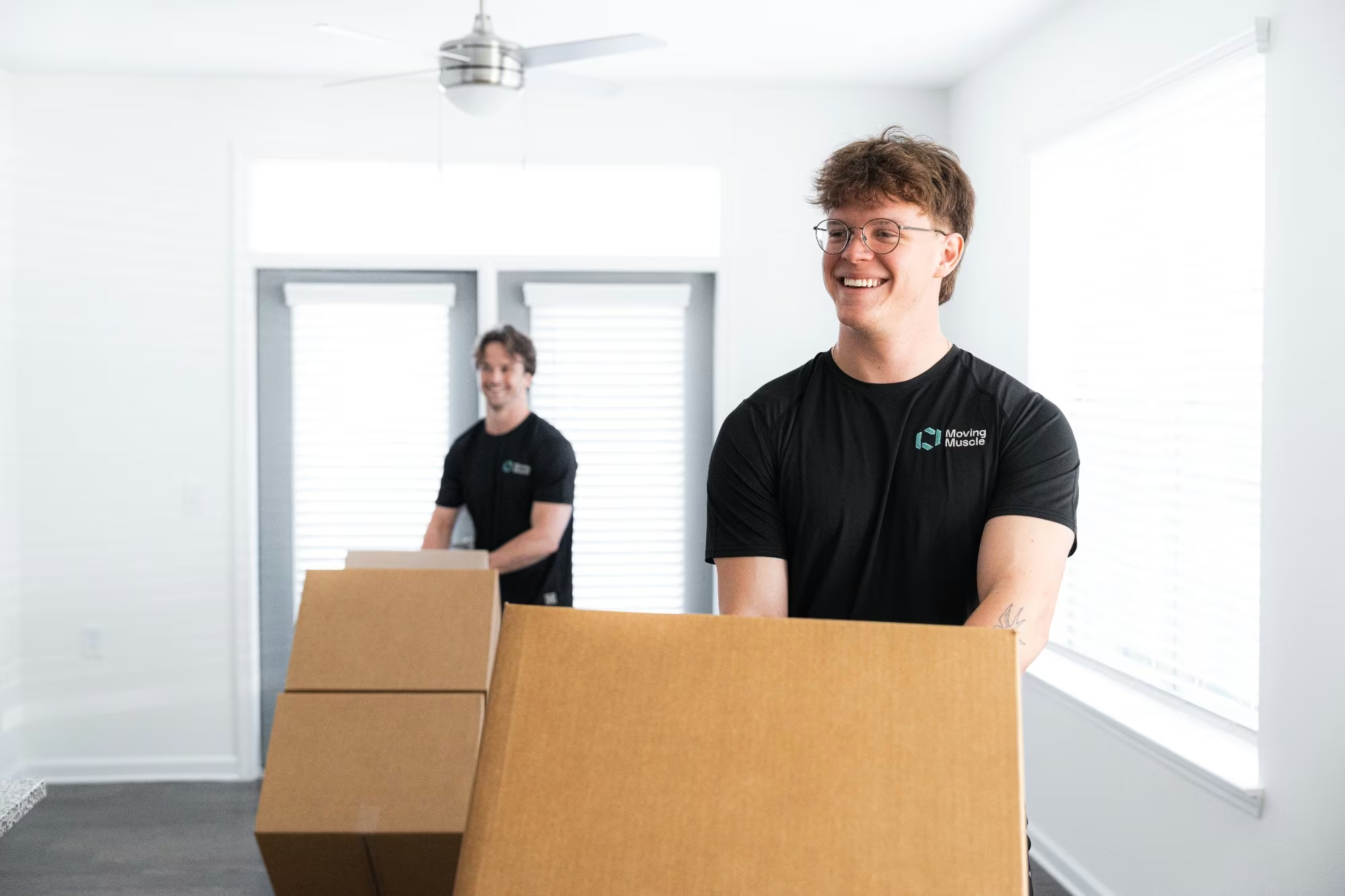
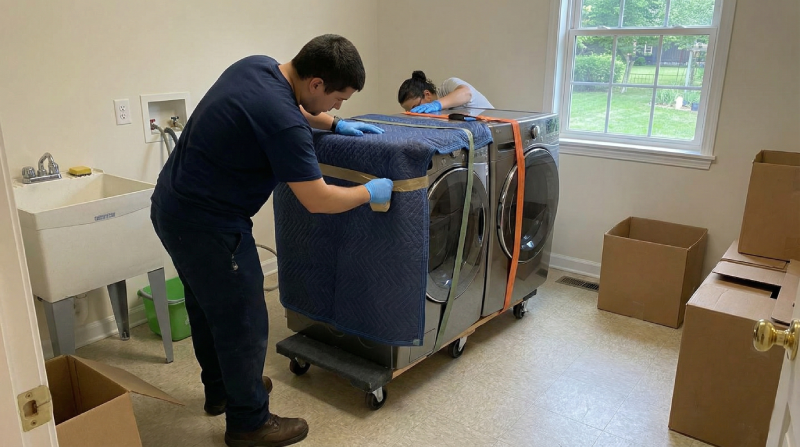
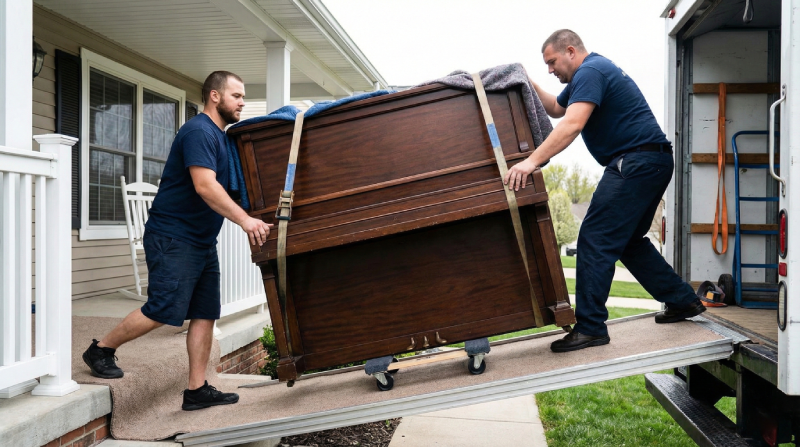
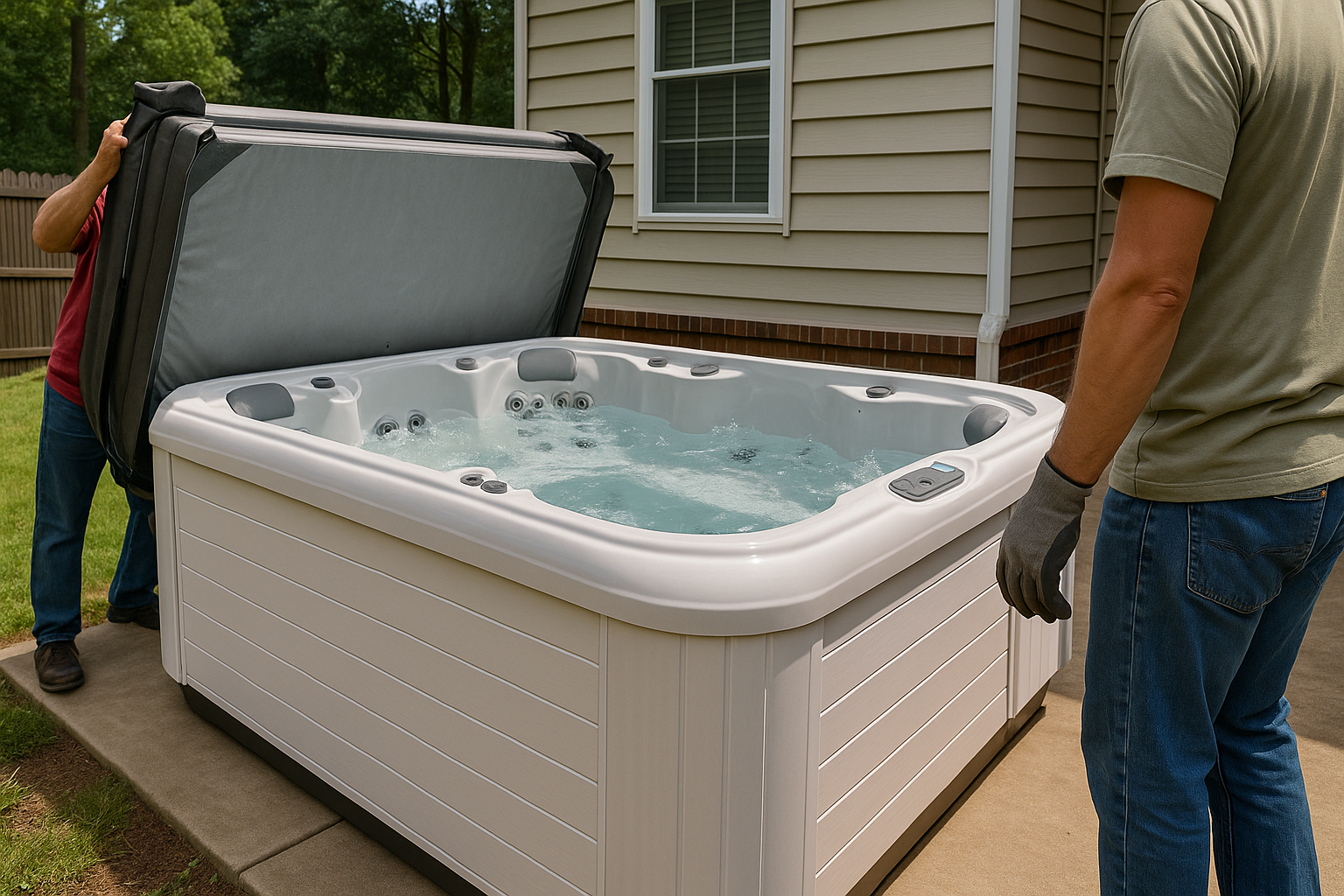
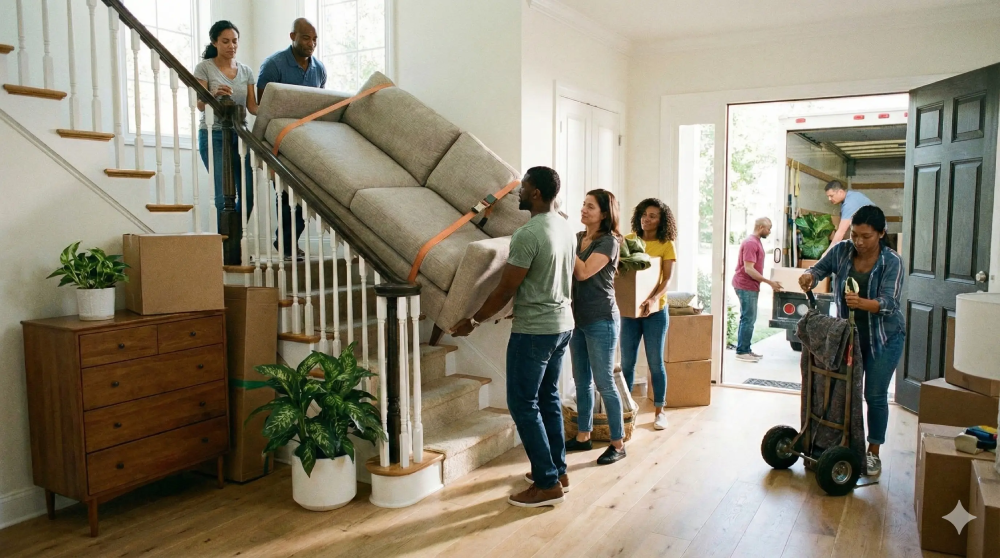
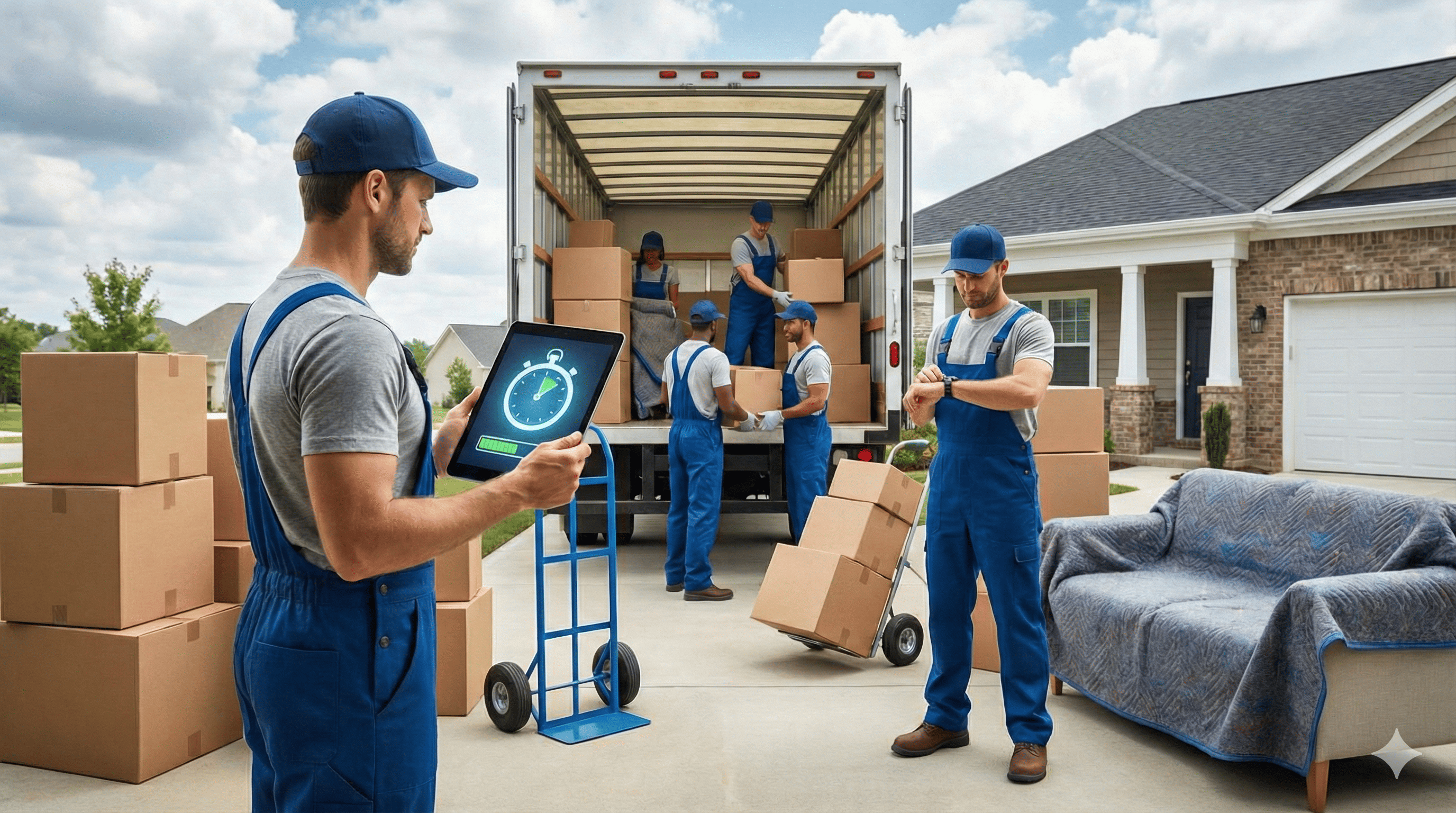
- Hire professionals for heavy furniture and appliances. Labor-only moving services like Moving Muscle charge around $50 per mover per hour to handle the physically demanding work of loading, unloading, and furniture disassembly, preventing back injuries and property damage.
- Use professional packing for fragile and high-value items. Antiques, artwork, electronics, and irreplaceable items benefit from specialized packing materials and techniques that movers are trained to provide, reducing the risk of damage during transport.
- Consider a hybrid approach for maximum value. You pack everything yourself over several weeks, then hire movers only for loading day. This gives you control over organizing and labeling while outsourcing the heavy lifting that causes the most injuries and stress.
Overpacking Boxes and Other Moving Mistakes That Cause Problems
Packing essentials too early tops the list of moving mistakes. Nothing frustrates more than searching through sealed boxes for your can opener or phone charger three weeks before moving. Create a clear "do not pack" zone for items you'll need until moving day. Mark this area with bright tape to prevent accidentally boxing daily necessities.
Overfilling boxes causes more problems than any other packing error. Heavy boxes break, injure movers, and damage contents when they collapse. Keep boxes under 50 pounds, using smaller boxes for books and heavy items. Poor labeling creates chaos at your destination. Mark boxes with room destinations and contents lists. Finally, procrastination destroys moving plans. Start packing non-essentials two months early to avoid exhausting all-nighters before moving day.
Following a Storage-First Packing Strategy
Success comes from packing storage areas first (8 weeks out), then spare rooms (3-4 weeks), followed by living spaces (2 weeks), and essentials last (2-3 days before). This sequence maintains daily comfort while steadily preparing for departure. Professional movers can help with the heavy lifting on moving day to protect your belongings and avoid injury.
FAQs
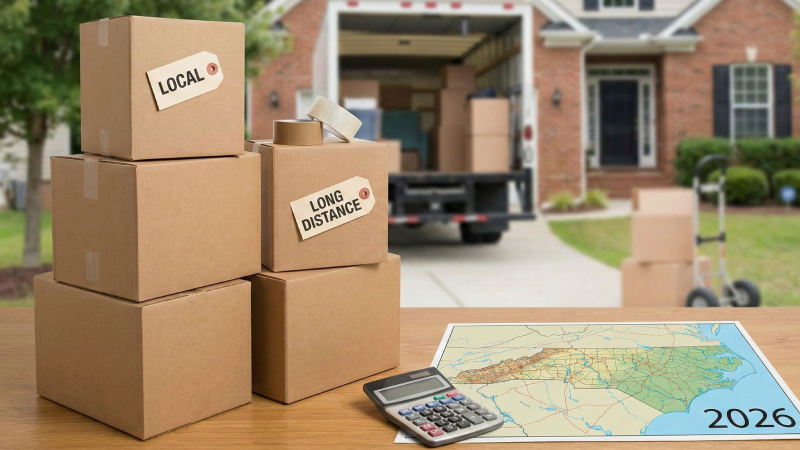
Does the packing order change for local vs. long-distance moves?
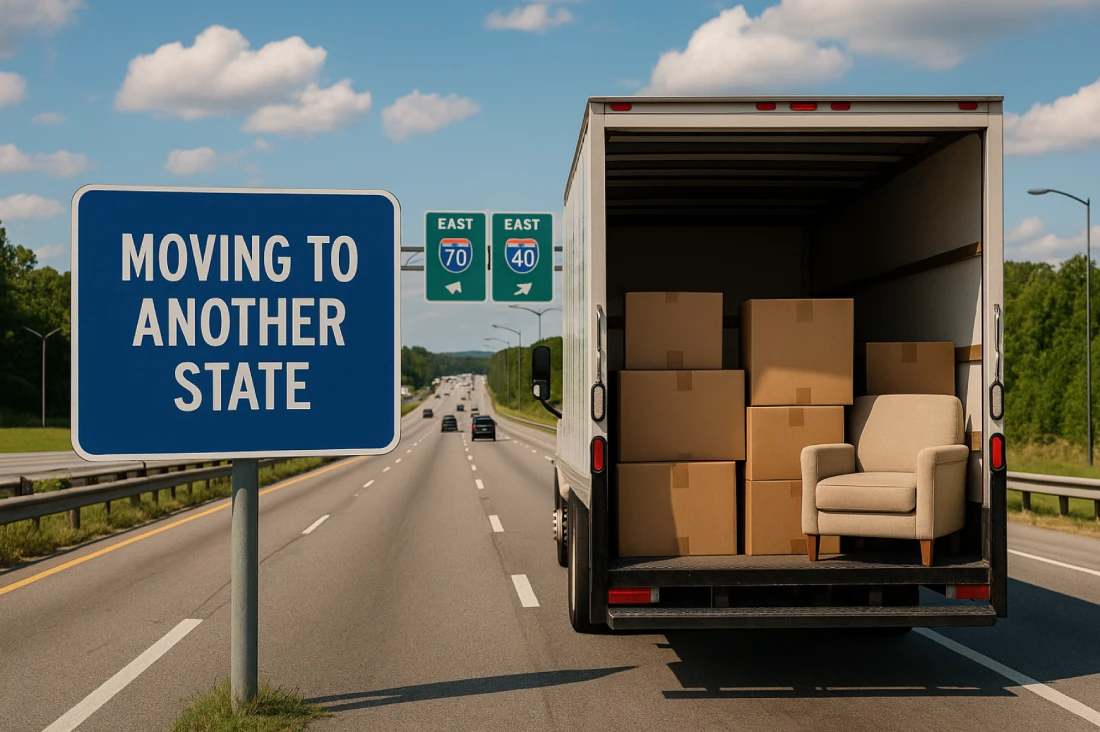
Long-distance moves require earlier packing of non-essentials since delivery might take days or weeks, while local moves allow more flexibility with timing.
Can I pack some things myself and hire professionals for specific items?
Yes, this hybrid approach saves money while getting expert help for valuable, fragile, or heavy items.
What is the 5-4-3-2-1 packing rule?
Pack 5 boxes daily starting 8 weeks out, increasing gradually until you're packing 1-2 rooms per day in the final week.
How many boxes do I need for each room?
Plan for 10-15 boxes per bedroom, 15-20 for the kitchen, 5-10 for living areas, and 3-5 for bathrooms, adjusting based on your belongings.
When should I start packing for a cross-country move?
Begin packing non-essentials 10-12 weeks before a cross-country move to account for longer transport times and potential delays.


















.webp)