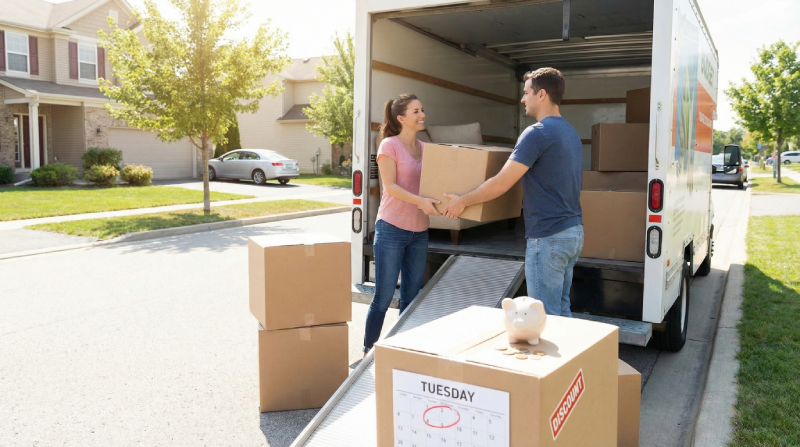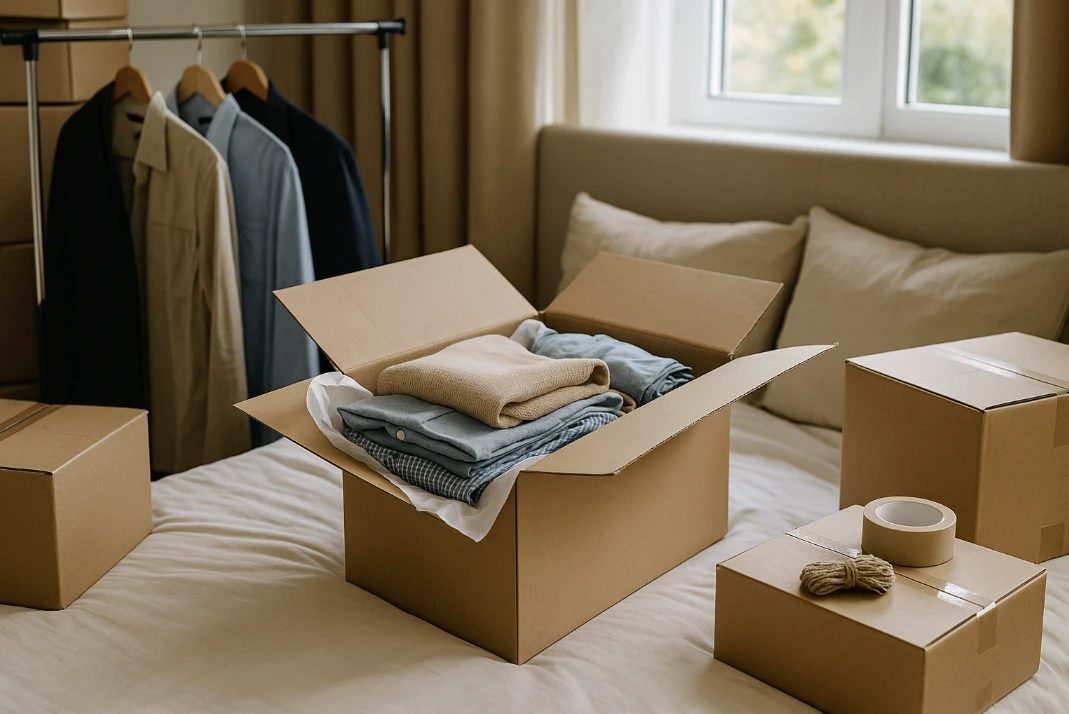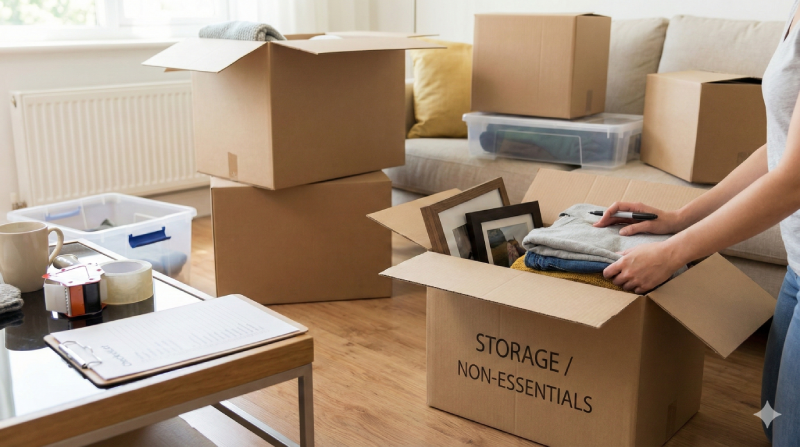
When planning a move, one of the first questions is: how many boxes do I need to move? Home size, household members, and how long you've lived there all affect your count. This guide provides room-by-room breakdowns and square footage estimates to help you order the right amount. You'll also learn which box sizes protect different items, where to source supplies affordably, and how accurate planning prevents both wasted money and moving day chaos.
How to Calculate How Many Boxes You Need to Move
Two proven methods help you estimate your box needs accurately. The room-by-room approach works best if you're organized and like detailed planning. The home-size method gives you quick estimates when you need numbers fast.
Room-by-Room Method
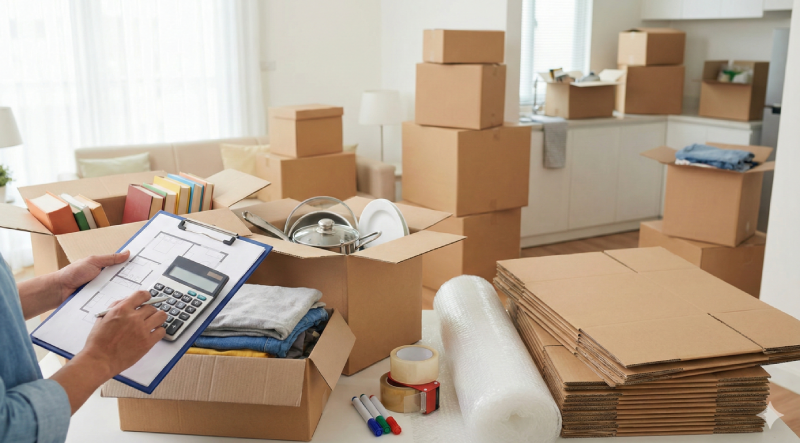
Breaking down your move by individual rooms provides the most accurate box count. This method accounts for the specific items in each space and helps you organize packing. Here's what you'll typically need for each room:
- Kitchen: 2–4 small boxes, 5–6 medium boxes, 4 large boxes, 2 XL boxes, 0 wardrobe boxes, 4–6 dish packs
- Living Room: 2–4 small boxes, 3–4 medium boxes, 2–4 large boxes, 1–2 XL boxes, 0 wardrobe boxes, 0 dish packs
- Master Bedroom: 1–3 small boxes, 5–6 medium boxes, 5–8 large boxes, 0 XL boxes, 4–6 wardrobe boxes, 0 dish packs
- Other Bedroom: 1–2 small boxes, 3–5 medium boxes, 0–3 large boxes, 0–2 XL boxes, 2–4 wardrobe boxes, 0 dish packs
- Bathroom: 2 small boxes, 1 medium box, 0 large boxes, 0 XL boxes, 0 wardrobe boxes, 0 dish packs
- Dining Room: 1–2 small boxes, 1–2 medium boxes, 0 large boxes, 0 XL boxes, 0 wardrobe boxes, 2–4 dish packs
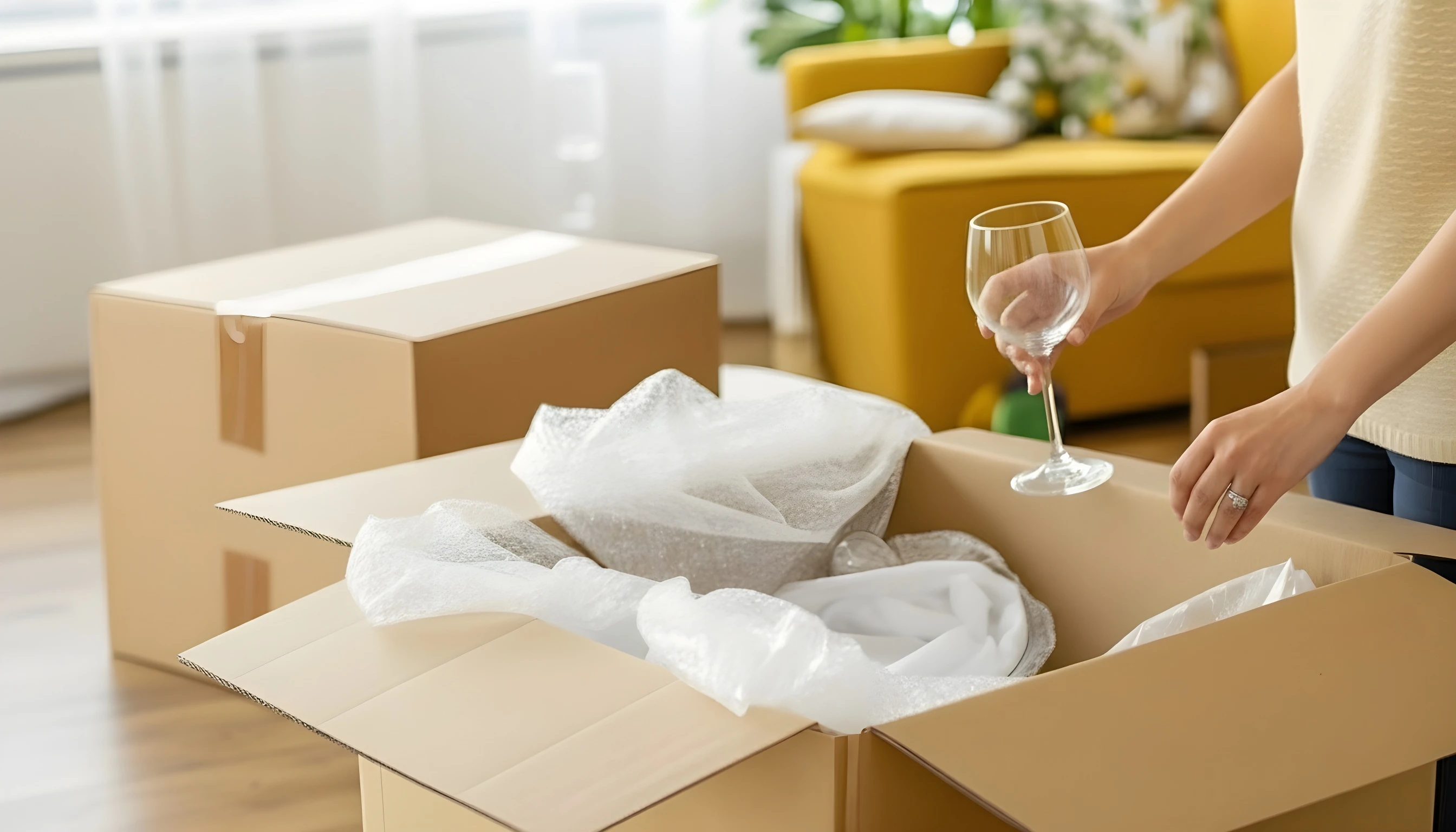
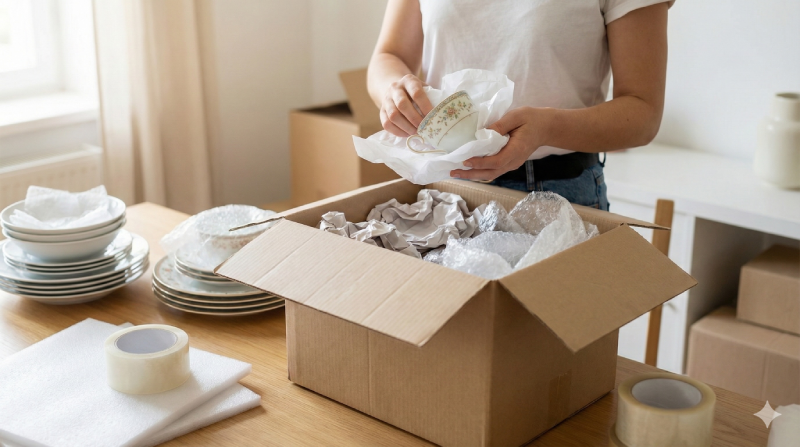
Kitchens require the most boxes because of dishes, appliances, and pantry items. Small boxes work best for heavy items like canned goods and dishes. Medium boxes handle pots, pans, and small appliances. Dish packs protect fragile items with extra cushioning built into the box design.
By Home Size or Square Footage
If you need a quick estimate, use your home's total size as a starting point. These ranges account for typical belongings in each home type but adjust based on your specific situation:
- Studio: 10–35 boxes
- 1-bedroom apartment: 20–45 boxes
- 2-bedroom apartment: 40–65 boxes
- 2-bedroom house: 60–90 boxes
- 3-bedroom house: 80–120 boxes
- 4-bedroom house: 100–140 boxes
- 5–6-bedroom house: 140–220 boxes
A 1-bedroom apartment typically needs 20-45 boxes, with most people using about 30-35. The wide range accounts for different lifestyles and accumulation habits. Studios need fewer boxes overall, but the boxes-per-square-foot ratio is actually higher because of concentrated belongings in limited space.
Types and Sizes of Moving Boxes
Understanding box sizes and their purposes prevents damage and makes loading more efficient. Each size serves specific items, and using the right mix keeps your belongings safe while getting the most out of truck space.
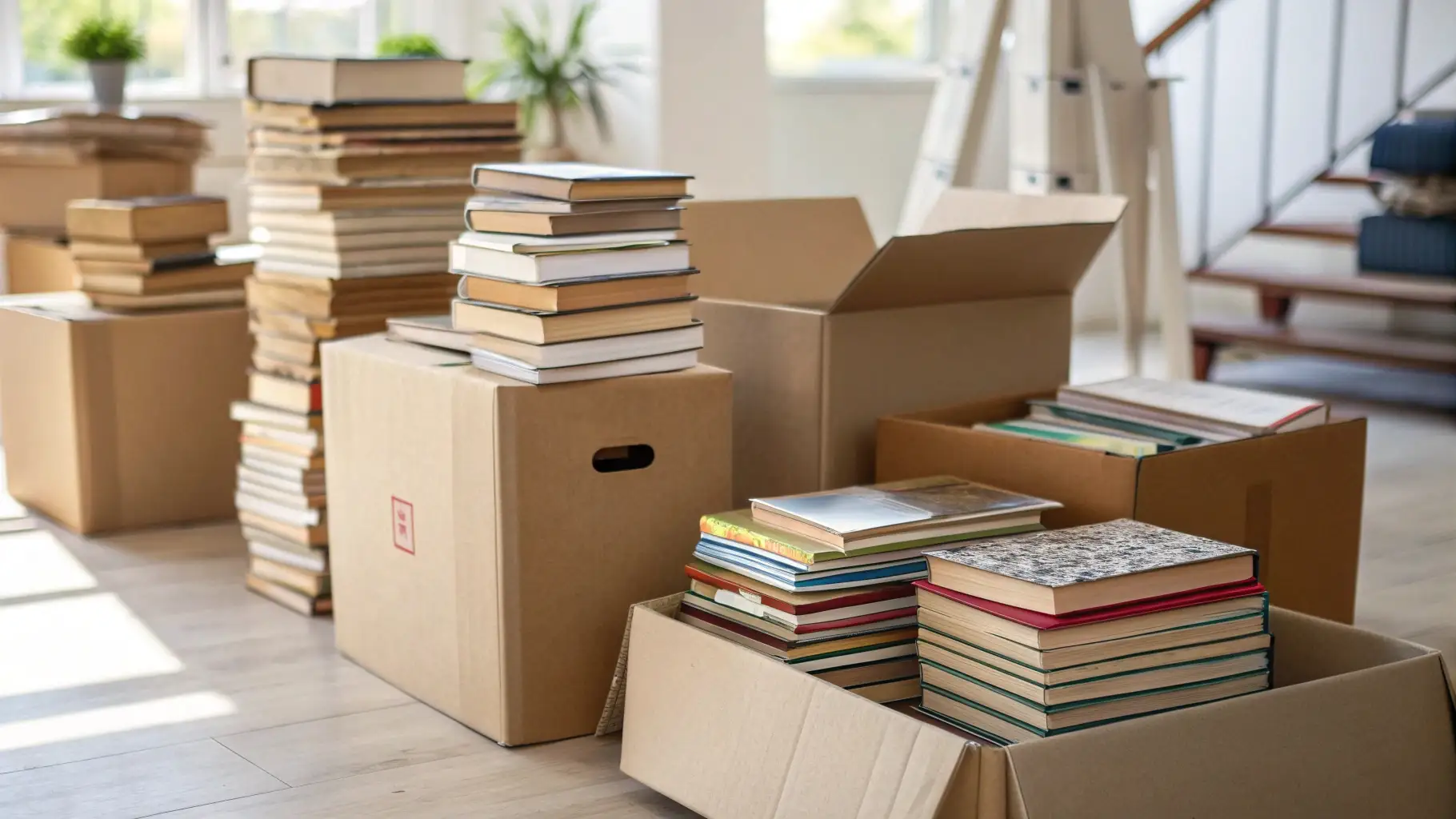
- Small boxes (1.5 cubic feet): Handle your heaviest items. Perfect for books, tools, canned goods, and small electronics. Should weigh no more than 50 pounds when full. Most moves need 15-30 small boxes.
- Medium boxes (3.0 cubic feet): The workhorses of any move. They hold clothes, toys, kitchen items, and decorations. You'll typically use more medium boxes than any other size, often 20-40 per move.
- Large boxes (4.5 cubic feet): Work best for lightweight, bulky items. Ideal for bedding, pillows, and lampshades. Overpacking these is a common mistake that leads to damaged belongings or injured backs.
- Extra-large boxes (6.0 cubic feet): Should only hold very light items like comforters or stuffed animals.
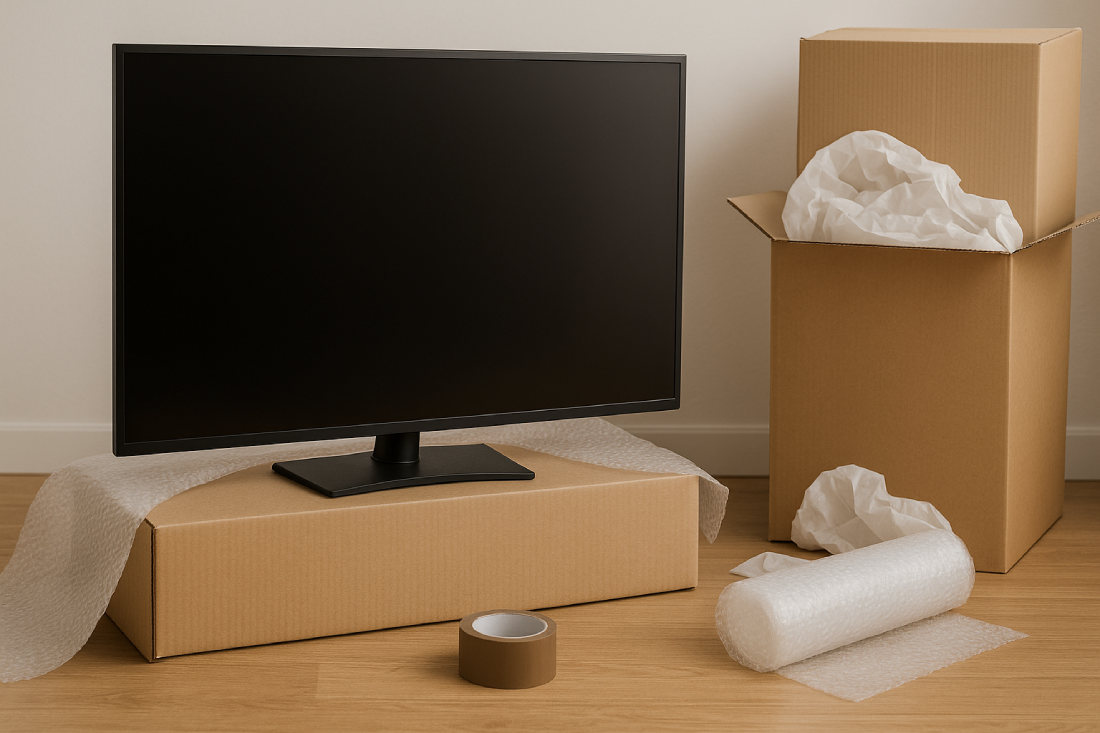
- Specialty boxes: Protect specific items and save time during packing. Wardrobe boxes let you transfer hanging clothes directly from closet to box. Dish packs have thick walls and dividers for fragile kitchen items. Mirror and picture boxes telescope to fit artwork perfectly. TV boxes protect flat screens during transport.
What Affects How Many Boxes You Need?
Your box count depends on several factors beyond just counting rooms. The size of your home provides a baseline, but your lifestyle and habits can double or halve that number. Understanding these variables helps you plan more accurately and avoid last-minute supply runs.
- Home Size and Square Footage: Your home's dimensions give you the starting point for estimating boxes. A 1,000-square-foot apartment typically needs 30-50 boxes, while a 3,000-square-foot house might require 100-150.
- Number of Household Members: Plan for roughly 10-15 boxes per person, accounting for clothing, personal items, and individual belongings. This is important, especially when moving out for the first time. Kids often need more boxes than adults because of toys, books, and school supplies that accumulate quickly.
- Length of Residence: How long you've lived in your current home matters more than most people realize. Each year adds approximately 5-10% more stuff to pack, which directly influences how long it takes to move.
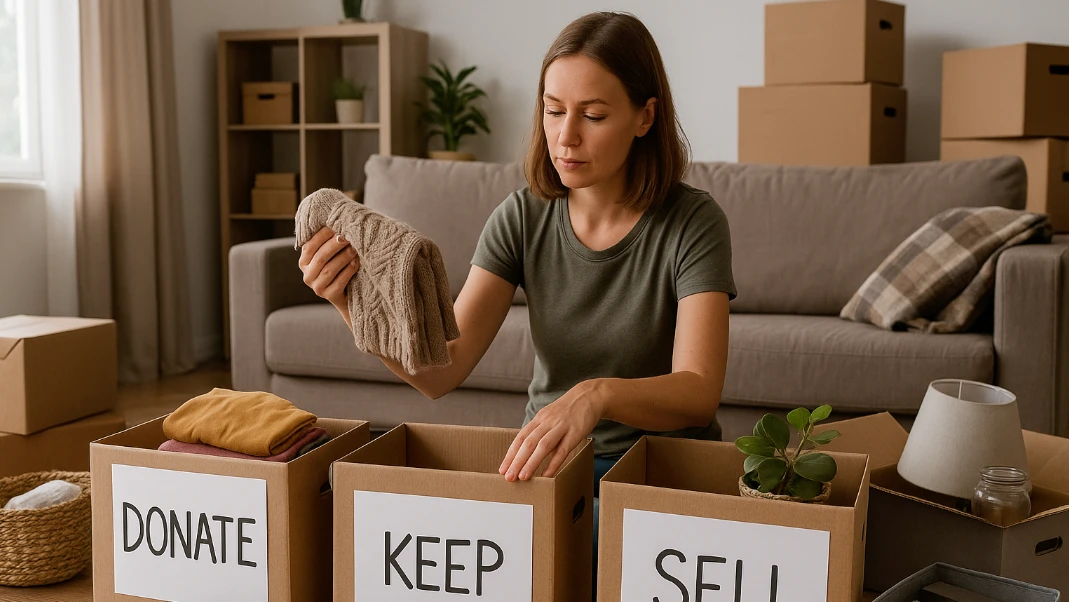
- Decluttering Impact: Taking time to declutter before packing can reduce your box needs by 20-40%.
- Packing Style: Your approach to packing affects box requirements. Minimalist packers who fold efficiently and fill every inch might need 20% fewer boxes.
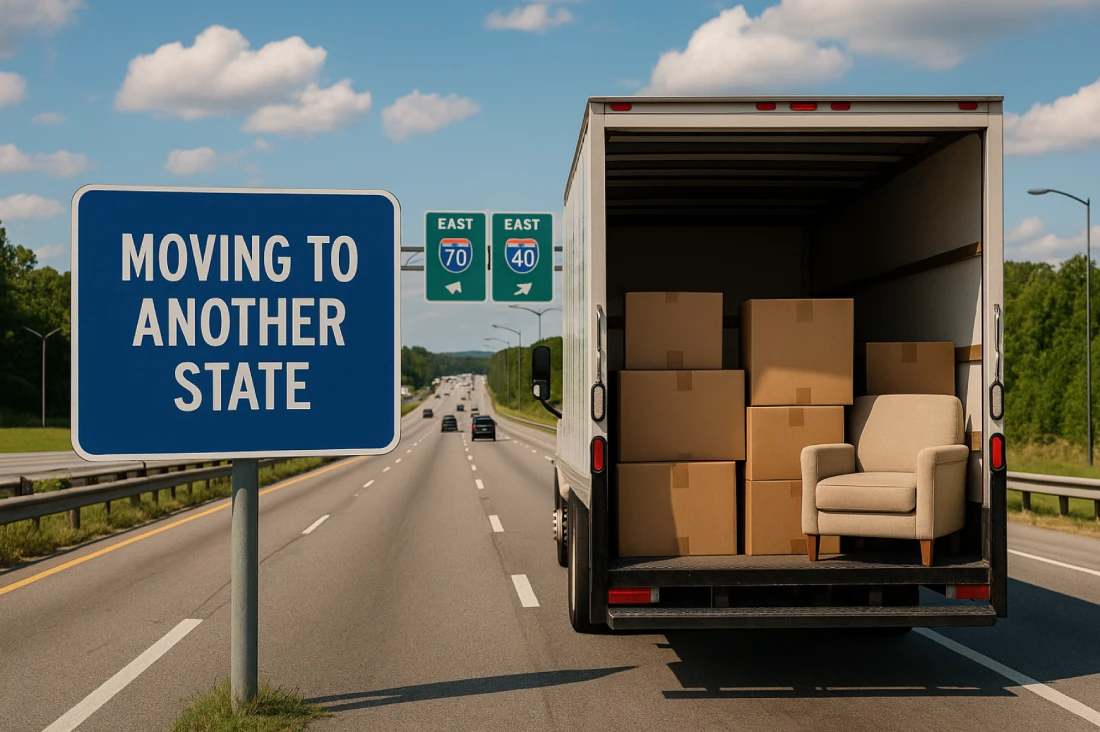
- Local Climate Considerations: The humid climate in Charlotte and Raleigh can influence your packing needs. This is especially important if you are moving to another state where climate conditions may be different.
Packing Tips for Efficiency and Cost Savings
Smart packing strategies reduce both the number of boxes you need and the time your move takes. When you hire hourly moving labor, efficient packing directly helps determine how much it costs to hire a moving company.
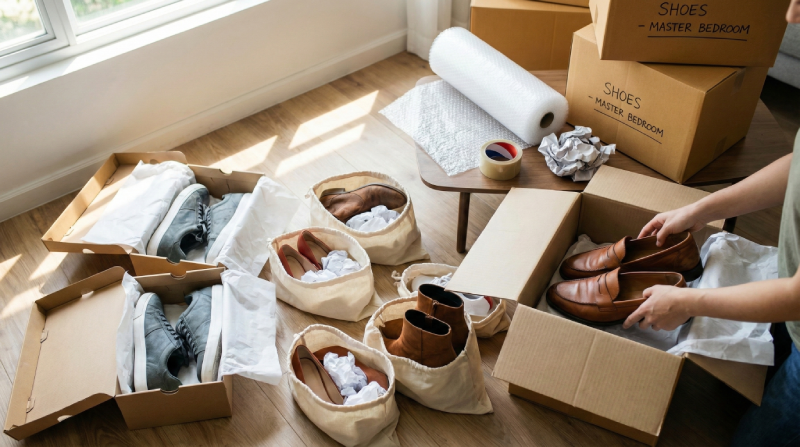
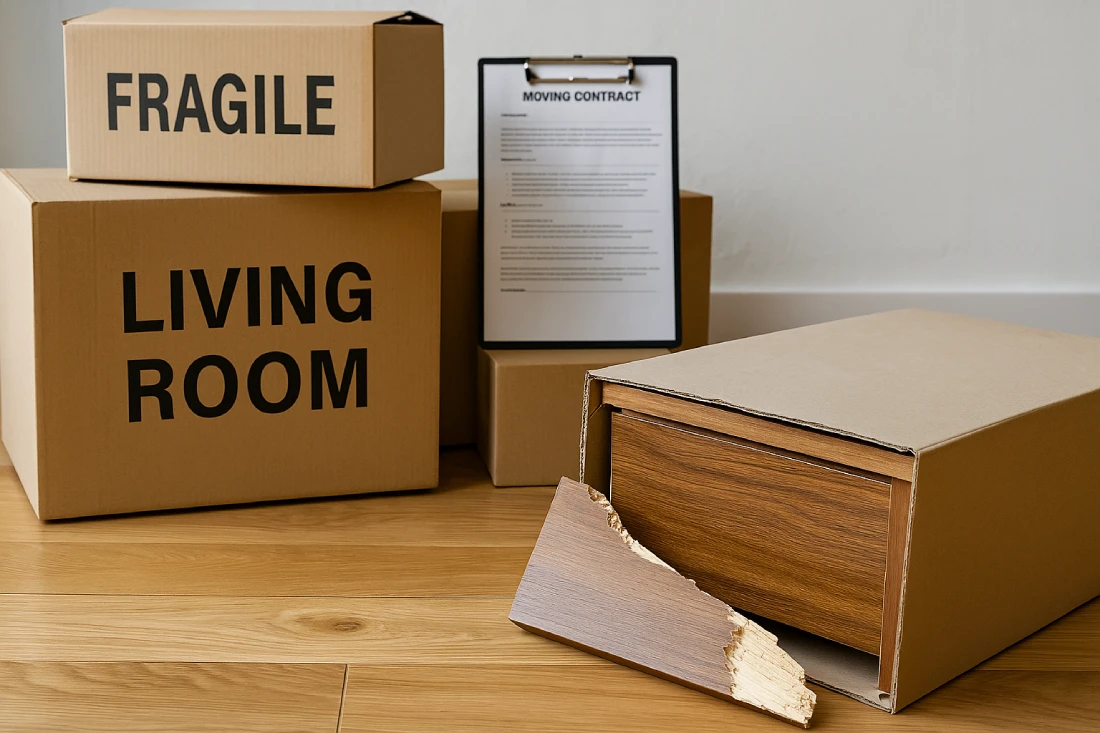
- Label boxes clearly with the room and a brief contents list.
- Pack heavy items in small boxes to prevent injuries and box failure.
- Protect your belongings without overfilling boxes.
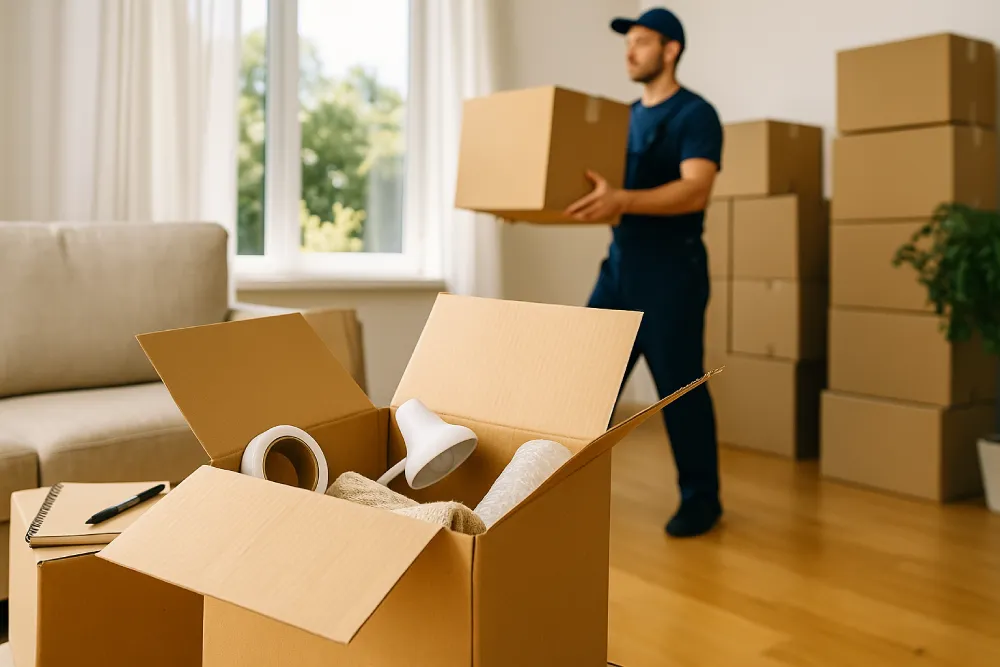
- Use towels, blankets, and clothing as free packing material.
Where to Get Boxes and Packing Supplies
Finding affordable boxes doesn't mean sacrificing quality.
- Local stores often give away quality boxes: Liquor stores, grocery stores, and office supply stores.
- Online options provide convenience and bulk pricing: U-Haul locations sell kits, and Amazon/Home Depot deliver boxes.
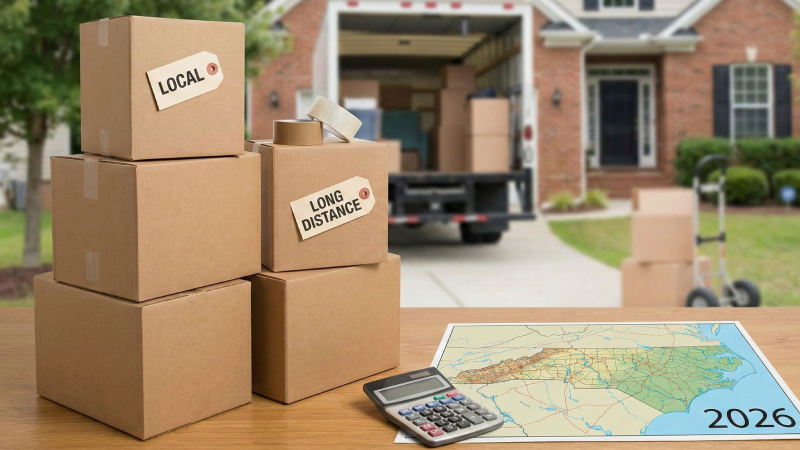
- Renting plastic bins offers an eco-friendly alternative for local moves.
Planning Your Box Strategy for a Smooth Move
The difference between a chaotic move and a smooth one often comes down to having the right number of boxes (not too few, not too many). Start with the room-by-room method if you want precision, or use square footage estimates for quick planning.
Begin collecting free boxes 3-4 weeks out, buy specialty boxes 2 weeks before moving, and always order 10-15% extra.
If you're planning a move in Charlotte or Raleigh and want to skip the heavy lifting, our professional moving labor services handle loading and unloading while you focus on packing strategically. The right preparation combined with deciding whether to move yourself vs. hiring movers turns moving day from overwhelming to manageable.
Frequently Asked Questions
Can I mix different box sizes in the same room?
Yes, mixing sizes helps with truck loading and prevents crushing.
What's the weight limit for moving boxes?
Keep boxes under 50 pounds, with 30 pounds ideal for repeated lifting.
Do professional movers prefer certain box types?
Movers work fastest with uniform, clearly labeled boxes that aren't overpacked.
What if I run out of boxes during packing?
Use suitcases, laundry baskets, and garbage bags for last-minute items, or visit hardware stores that stay open late.








.webp)