Learning how to rent an apartment starts with understanding your budget, gathering necessary documents, and researching the local rental market. First-time renters face upfront costs, credit requirements, lease negotiations, and move-in logistics that require careful planning. This article covers the complete apartment rental process, from financial preparation and application strategies to lease understanding and move-in execution, giving you the tools to secure your first apartment with confidence.
Budgeting and Financial Preparation When Renting an Apartment
Understanding your rental budget starts with the 30% rule: your monthly rent shouldn't exceed 30% of your gross monthly income. If you earn $3,000 per month before taxes, your maximum rent budget is $900. But rent is just one piece of your monthly housing costs. You'll also need to budget for utilities ($100-200), renters insurance ($15-30), parking fees ($50-300 in cities), and internet service ($40-80). Creating a realistic budget now prevents financial stress later.
Beyond monthly expenses, first-time renters need to prepare for upfront costs that can total three to four times the monthly rent. Most landlords require first month's rent, last month's rent, and a security deposit equal to one month's rent. Application fees typically range from $25-100 per apartment. If you're moving out for the first time, factor in moving expenses too: truck rental costs $50-400, while professional moving labor adds $200-600 depending on your needs.
What Documents You Need to Rent Your First Apartment
Gathering complete documentation before starting your apartment search separates successful applicants from those who lose desirable units to faster competitors. In tight rental markets, apartments often receive multiple applications within 24-48 hours of listing, meaning preparation speed directly affects your chances of approval. Here's what you'll need ready:
- Government-issued photo ID and recent pay stubs covering 2-3 months. Digital copies stored in cloud storage allow immediate submission during apartment tours when you find the right place.
- Bank statements showing consistent balances and financial stability. Landlords review these to verify you can afford upfront costs and maintain rent payments throughout the lease term.
- Contact information for previous landlords or personal references. First-time renters without rental history should prepare professional references from employers or professors who can speak to reliability and character.
- Employment verification letters, tax returns, or W-2 forms for income proof. Self-employed renters and those starting new jobs strengthen applications with official documentation showing income stability beyond pay stubs alone.
Credit Requirements and Application Preparation for First-Time Renters
Your credit score significantly affects rental approval and sometimes determines deposit amounts. Most landlords prefer scores above 650, though requirements vary by market and property type. Check your credit report through free services like Credit Karma or annualcreditreport.com before starting your search. Disputes over errors can take 30 days to resolve, so review early. First-time renters with no credit history aren't automatically disqualified: many landlords accept alternative proof of financial responsibility.
Building rental application strength goes beyond credit scores. Landlords evaluate your debt-to-income ratio, employment stability, and rental history. If you lack traditional qualifications, offer compensating factors like larger deposits, advance rent payments, or strong co-signers. Professional references from employers or professors help establish character for young renters without extensive backgrounds.
Handling Bad Credit When Renting an Apartment
Bad credit doesn't make renting impossible, but it requires strategic preparation. Landlords may accept explanations for past issues, especially medical debt or student loans. Write a brief letter explaining circumstances and demonstrating current financial stability. Offering 2-3 months' rent upfront shows serious commitment and reduces landlord risk. Some apartment complexes work specifically with credit-challenged renters, though these often charge higher deposits or require guarantor services that add fees.
Finding a co-signer with strong credit and income provides the strongest solution for credit issues. Co-signers become legally responsible if you default, so choose someone who understands this commitment. Parents commonly co-sign for first-time renters, but any financially stable adult can serve this role.
Apartment Search Strategies and Market Research
Finding the right apartment requires understanding both timing and market conditions in your area. Most landlords list properties 30-60 days before availability, creating a sweet spot for serious renters who balance preparation with urgency. Competitive markets move fast (desirable units rent within days) while slower markets offer more negotiation leverage on price and terms. Here's how to get the most from your search:
- Search across multiple channels beyond major listing sites. While platforms like Zillow and Apartments.com aggregate many listings, driving through target neighborhoods reveals "For Rent" signs on properties that never appear online, and local property management companies often maintain unlisted units.
- Research market rates and seasonal patterns before setting expectations. Sites like RentData and Apartment List provide average rents by area and apartment size, helping you identify fair pricing. Rental inventory typically peaks in summer months but winter often brings lower prices and better negotiation opportunities.
- Build relationships with leasing agents for early access to new listings. In competitive markets like Charlotte or Raleigh, where apartments rent within days, having an inside connection means hearing about openings before public listings go live.
How to Spot Rental Scams and Protect Yourself
Rental scams target anxious apartment hunters with too-good-to-be-true deals. Red flags include prices significantly below market rate, landlords who claim they're overseas, requests for wire transfers or gift cards, and pressure to pay before seeing the property. Legitimate landlords meet in person, show valid ID, and accept standard payment methods. Never send money for apartments you haven't physically toured or at least seen via verified video call with the actual owner present.
Verify property ownership through county tax records before paying deposits. Reverse image search listing photos to check if they're stolen from other sites. Trust your instincts. Legitimate landlords understand caution and won't rush you into decisions. Report suspected scams to the FTC and local authorities to protect other renters.
Touring Apartments and Evaluation Strategies
Apartment tours reveal details that photos can't capture, making them important for informed decisions. Schedule tours during daylight hours to assess natural light and neighborhood activity. Test everything: run faucets to check water pressure, flip light switches, test outlets with your phone charger, and check cell signal strength throughout the unit. Open cabinets to look for pest evidence, test windows and locks, and examine walls for water damage or poor repair work. Document any existing damage with photos to protect your security deposit later.
Ask specific questions during tours to uncover potential issues. Who handles maintenance and what's the typical response time? What utilities are included versus tenant responsibility? Are there quiet hours or guest policies? Has the unit been recently renovated or painted? Understanding these details prevents surprises after moving in. Take notes immediately after each tour since details blur together when viewing multiple units.
Questions to Ask Landlords Before Signing
Asking thoughtful questions during apartment tours separates renters who understand their future living situation from those who discover problems after signing. While visual inspections reveal obvious issues like damage or cleanliness, targeted questions uncover hidden costs, policy restrictions, and neighborhood dynamics that directly affect your daily life and budget. Here are the important questions that help you make an informed rental decision:
- Average utility costs and what's included in rent. Ask the landlord for typical monthly utility bills from current or previous tenants, which helps you budget accurately beyond the base rent amount and avoid sticker shock when your first bills arrive.
- Lease renewal terms, rent increase history, and notice requirements. Understanding whether rent typically increases 3% or 10% annually, along with required notice periods for move-out (often 60 days), helps you plan long-term affordability and avoid surprise costs.
- Planned construction, building improvements, or major maintenance work. Knowing about upcoming projects like roof replacement or parking lot resurfacing prevents frustration with noise, restricted access, or temporary inconveniences during your lease term.
- Security features, recent incidents, and neighborhood composition. Ask about controlled access systems, exterior lighting, any safety concerns, and whether residents are primarily young professionals, families, or students to gauge whether you'll feel comfortable and fit the community.
The Rental Application Process Step by Step
Once you've found your ideal apartment, move quickly with application submission. Complete applications thoroughly. Blank fields or inconsistent information trigger rejections. Most applications require basic information, employment details, income verification, and consent for credit and background checks. Application fees typically range $25-100 and are non-refundable regardless of approval outcome. Submit all required documents together to avoid processing delays.
Follow up within 24-48 hours to confirm receipt and ask about timeline expectations. Typical processing takes 1-3 business days, though some properties offer instant approval for qualified applicants. If multiple people apply for the same unit, landlords often choose based on application completeness and submission time, not just qualifications. While waiting, continue viewing backup options since approval isn't guaranteed.
What Happens After Your Application Gets Approved
Approval typically comes via phone call or email with next steps outlined. Landlords usually require lease signing and move-in payments within 48-72 hours to secure the unit. Review the lease thoroughly before signing. This legally binding document governs your tenancy. Confirm move-in date, payment due dates, and any conditions like professional cleaning requirements. Some landlords offer lease signing appointments to review terms together and answer questions.
Coordinate logistics immediately after approval. Schedule time off work for move-in day, arrange apartment moving services if needed, and confirm utility transfers. If approval includes conditions like increased deposits or co-signers, handle these requirements promptly to avoid losing the unit.
Understanding Lease Agreements and Tenant Rights
Lease agreements establish rules, responsibilities, and protections for both parties. Standard leases specify rent amount, due dates, late fees, lease duration, renewal terms, and notice requirements for moving out. Read sections about maintenance responsibilities, alterations (like painting), and subletting policies. Many leases include automatic renewal clauses or require 60-day notice before move-out. Understanding these terms prevents costly mistakes or surprise fees.
Your rights as a tenant include habitable living conditions, privacy (landlords need proper notice for entry), and protection from discrimination under Fair Housing laws. Landlords must maintain structural integrity, working utilities, and address health hazards. Document all communication about repairs or issues in writing. Many states cap security deposits, regulate fee structures, and require specific timelines for deposit returns. Research your state's tenant rights through local housing authorities or legal aid organizations.
Negotiating Lease Terms as a First-Time Renter
While rent amounts rarely budge in competitive markets, other lease terms offer negotiation opportunities. Request waived application fees, reduced security deposits, or included utilities to lower move-in costs. Landlords might include parking, offer fresh paint, or provide storage units to secure good tenants. Longer lease terms (15-18 months) sometimes warrant rent reductions since they reduce turnover costs for landlords.
Negotiation succeeds best when you demonstrate value as a tenant. Highlight stable employment, excellent references, or willingness to move quickly. Offering to handle minor maintenance like lawn care might reduce rent slightly. Remember that everything's negotiable until you sign, and even small wins add up to significant savings.
Move-In Preparation and Final Steps
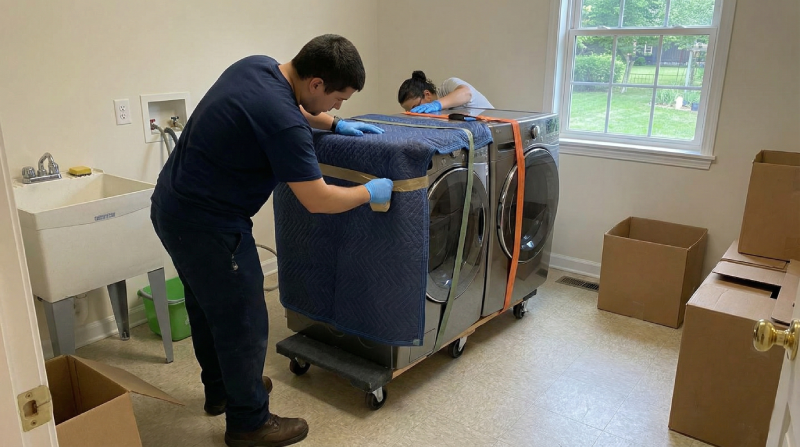
After signing your lease, shift focus to move-in logistics. Transfer utilities into your name effective your move-in date to avoid service interruptions. Set up renters insurance immediately. Most policies require no waiting period and cost less than $20 monthly. Create a moving timeline working backward from move-in day. Book moving labor help at least two weeks ahead for the best availability and rates. Professional movers handle the heavy lifting while you maintain control of the truck rental and timeline.
Complete a detailed move-in inspection with your landlord or property manager. Document every existing issue, no matter how minor, with photos and written notes. Both parties should sign the inspection form. This protects your security deposit when moving out. Test all appliances, check smoke detectors, and locate water shut-offs and circuit breakers. Report any problems immediately to establish they existed before your tenancy.
Setting Up Your First Apartment Efficiently
Smart setup makes apartment living smoother from day one. Change locks or request rekeying if allowed. You don't know who has old keys. Update your address with USPS, employers, banks, and subscription services. Register to vote at your new address and update your driver's license within state-required timeframes. Meet neighbors early to establish friendly relationships that enhance safety and community.
Organize utilities and services strategically. Set up automatic payments for consistent bills like rent and utilities. Compare internet providers for the best speeds and prices in your area. Consider bundling services for discounts. Stock emergency supplies including flashlights, first aid kits, and basic tools before you need them.
Smart Strategies for How to Rent an Apartment Successfully
First-time renters who budget carefully, document everything during tours, and understand lease terms before signing avoid costly mistakes. The 30% income rule, thorough credit preparation, and detailed move-in inspections protect both your finances and security deposit. When move-in day arrives, professional moving help transforms a stressful process into a smooth transition, letting you focus on making your new apartment feel like home.
Frequently Asked Questions
What's the difference between a security deposit and last month's rent?
Security deposits cover potential damages and return after move-out, while last month's rent applies to your final month of tenancy.
What happens if my rental application gets rejected?
Ask the landlord why you were rejected, then address those issues before applying elsewhere, perhaps by finding a co-signer or offering larger deposits.
Can landlords charge whatever they want for application fees?
Many states cap application fees at actual screening costs, typically $25-50, though some allow higher amounts.
.webp)