
Moving at any age brings challenges, but for elderly adults facing limited income or mobility issues, the physical and financial burden can feel overwhelming. Free moving services for elderly individuals exist through government programs, charities, and local organizations designed specifically to help seniors transition safely between homes. This guide provides practical steps to find and qualify for these no-cost resources, walks you through the application process with required documentation, and offers affordable alternatives when free services aren't available. You'll discover exactly where to look for help and what assistance you can realistically expect.
Government Programs That Offer Free Moving Services for Elderly Adults
Federal and state governments recognize that seniors often need moving assistance during housing transitions, medical emergencies, or disaster situations. These programs provide different levels of support based on specific circumstances and eligibility requirements.
HUD Emergency Solutions Grants (ESG)
The Department of Housing and Urban Development offers ESG funding to local agencies that help prevent homelessness. Seniors facing eviction or unsafe living conditions can receive moving assistance, temporary storage costs, and security deposit coverage. Contact your local Continuum of Care coordinator through HUD's online directory to determine if your situation qualifies for emergency relocation help.
HUD Continuum of Care (CoC)
CoC programs specifically target chronically homeless individuals, including elderly adults transitioning from shelters or streets into permanent housing. The program covers moving costs, furniture delivery, and basic household setup. Your local housing authority can connect you with CoC providers who specialize in senior transitions.
Medicaid Home & Community-Based Services (HCBS)
HCBS waivers help seniors move from nursing facilities back to community settings, covering moving expenses as part of transition services. The Money Follows the Person (MFP) program extends this support, providing up to $5,000 for moving costs, security deposits, and essential furnishings. Contact your state Medicaid office to learn about waiver programs available in your area.
FEMA Individual Assistance
Following declared disasters, FEMA provides temporary housing and moving assistance for displaced seniors. This includes transportation costs, storage fees, and accessibility modifications at new locations. Register at DisasterAssistance.gov or call 1-800-621-3362 immediately after a disaster declaration.
Veterans Affairs SSVF Program
The Supportive Services for Veteran Families program helps elderly veterans avoid homelessness through rapid rehousing assistance. Eligible veterans receive moving cost coverage, security deposits, and temporary storage fees. Contact your local VA medical center's homeless coordinator for screening and referral.
State Crime Victim Compensation
Seniors fleeing elder abuse or domestic violence can access emergency relocation funds through state victim compensation programs. These funds cover immediate moving expenses, temporary lodging, and security deposits at safe locations. Your local adult protective services office can initiate the application process.
National and Local Nonprofit Organizations Providing Moving Help
Charitable organizations fill critical gaps when government programs don't apply or take too long to approve. These nonprofits understand the unique challenges seniors face during moves and provide both financial assistance and volunteer labor.
Major National Charities
The Salvation Army operates local chapters nationwide that offer emergency moving assistance for seniors facing eviction or unsafe housing. Catholic Charities provides similar services regardless of religious affiliation, often coordinating volunteer moving teams and covering truck rental costs. The YWCA assists elderly women escaping domestic violence situations with emergency relocation services and temporary housing placement.
Modest Needs Foundation offers one-time grants for unexpected moving expenses that threaten housing stability. Their online application process allows seniors or their advocates to request specific dollar amounts for moving costs. Local churches, synagogues, and mosques frequently maintain benevolence funds specifically for helping elderly congregation and community members with moving expenses.
Area Agencies on Aging (AAAs)
AAAs coordinate comprehensive services for adults 60 and older, including moving assistance programs. These agencies maintain lists of volunteer groups, discounted moving companies, and emergency financial resources specific to your county. They also provide case management to help navigate multiple assistance programs simultaneously.
Centers for Independent Living (CILs)
CILs specialize in helping seniors with disabilities maintain autonomy during housing transitions. They coordinate accessible transportation, arrange for medical equipment moving, and ensure new homes meet accessibility needs. Their peer support programs connect seniors with others who've successfully navigated similar moves.
Eldercare Locator Services
This federal service connects seniors with local resources through a single phone call (1-800-677-1116) or website visit. Their specialists identify relevant moving assistance programs based on your ZIP code, circumstances, and specific needs. They provide direct contact information for screened local organizations.
Specialized Senior Moving Services and Accessibility Support
Some organizations focus exclusively on the unique challenges elderly adults face during moves, particularly those with mobility limitations or medical equipment needs.
Senior Move Managers
The National Association of Senior Move Managers (NASMM) members often provide pro bono services for low-income seniors. These professionals coordinate entire moves, from downsizing and packing to unpacking and setting up new homes. They understand how to handle medications, medical equipment, and mobility aids safely during transitions.
Disability-Focused Moving Programs
Organizations serving seniors with disabilities provide specialized moving assistance that addresses accessibility concerns. They arrange wheelchair-accessible moving trucks, coordinate medical equipment transfers, and ensure new homes have necessary modifications installed. These programs often cover costs that standard moving assistance won't address.
Volunteer Partnership Networks
Local volunteer organizations like Habitat for Humanity ReStores sometimes provide free moving labor for seniors. College student groups, faith-based organizations, and civic clubs regularly organize moving days for elderly community members. Your AAA can connect you with active volunteer networks in your area.
Eligibility Requirements and Application Process for Free Services
Understanding eligibility criteria and preparing proper documentation speeds up the application process for moving assistance for seniors. Most programs share similar basic requirements while maintaining specific criteria based on funding sources.
Basic Eligibility Criteria
Age requirements typically start at 60 or 65, though disability-based programs may serve younger individuals. Income limits usually fall at or below 200% of federal poverty guidelines, currently $29,160 annually for single seniors. Programs prioritize seniors facing homelessness, eviction, unsafe housing, or transitions from institutional care.
Required Documentation
Prepare photo identification, Social Security cards, and proof of age before applying. Income verification includes Social Security statements, pension documents, and bank statements from the past three months. Need documentation varies by program but may include eviction notices, medical discharge papers, disaster declarations, or adult protective services reports.
Application Timeline Management
Emergency programs like ESG can provide assistance within 48-72 hours for crisis situations. Standard programs typically take 2-4 weeks from application to approval, though complex cases requiring multiple funding sources may take longer. Start applications at least 30 days before your planned move date when possible.
Expediting Emergency Situations
Medical emergencies, evictions with court dates, and domestic violence situations receive priority processing. Contact 211 for immediate crisis intervention and temporary assistance while the longer-term application process. Case workers can often arrange emergency hotel stays while coordinating permanent moving solutions.
How to Find Free Moving Services Near You
Locating free moving services for the elderly near me requires using multiple search strategies and local resource networks. Each community offers different combinations of government, nonprofit, and volunteer assistance programs. Discover more moving tips for seniors.
Online Resource Directories
Start with 211.org or dial 2-1-1 from any phone for comprehensive local resource information. The Eldercare Locator (eldercare.acl.gov) provides detailed contact information for aging services in every U.S. county. BenefitsCheckUp.org screens for multiple assistance programs simultaneously based on your specific situation.
Local Government Contacts
Contact your city or county housing authority for emergency relocation programs and housing voucher assistance. Social services departments maintain lists of local charities providing moving help. Senior centers often coordinate volunteer moving assistance and know which local organizations help with relocation costs.
Community Organization Outreach
Visit food banks and thrift stores, as these organizations often know about moving assistance resources. Libraries maintain community resource directories and sometimes coordinate volunteer programs. Healthcare providers and social workers can provide referrals to specialized moving assistance programs for their patients.
What to Do If You Don't Qualify for Free Services
When free programs aren't available or have long waiting lists, several alternatives can reduce moving costs for seniors on fixed incomes. These options provide significant savings compared to full-service moving companies while maintaining safety and reliability.
Low-Cost Professional Options
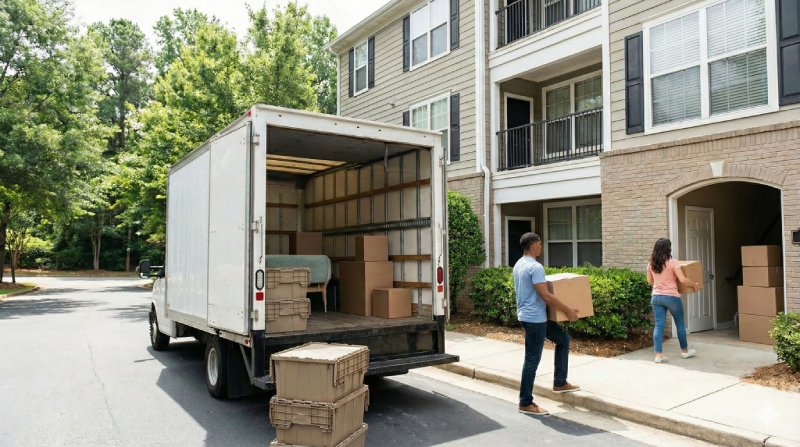
Labor-only moving services cost 40-50% less than traditional movers since you rent your own truck. These services charge around $50 per mover per hour, making small moves affordable for seniors. Professional movers handle heavy lifting safely while you maintain control over transportation and timing.
Community Fundraising Strategies
Online crowdfunding through GoFundMe or similar platforms helps families raise moving funds quickly. Local newspapers sometimes feature stories about seniors needing moving help, generating community support. Service clubs like Rotary or Lions Club may sponsor individual seniors' moving costs through special appeals.
Cost Reduction Techniques
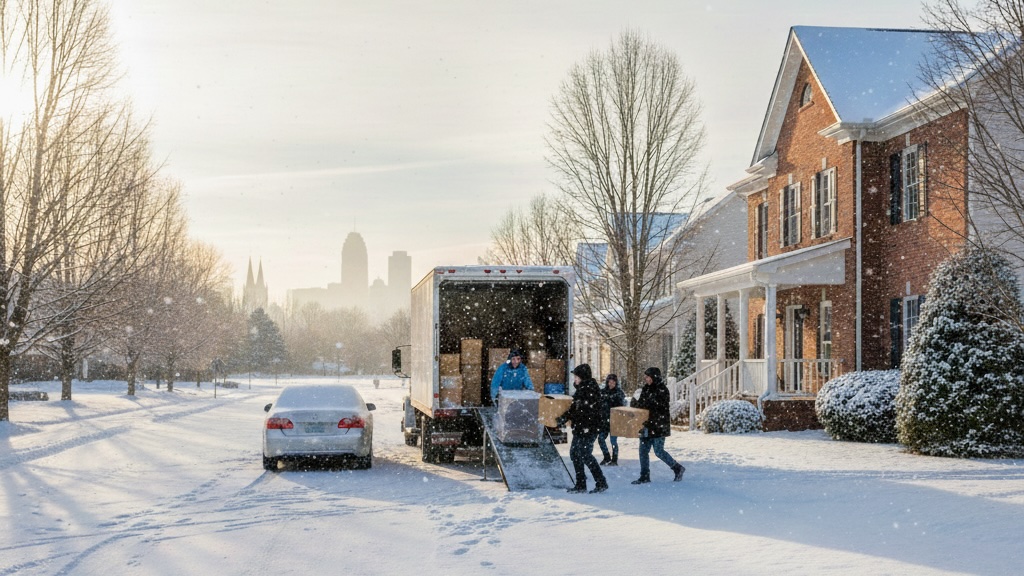
Schedule moves during off-peak times (mid-month, winter months) for better rates. Collect free boxes from liquor stores, grocery stores, and online marketplace groups. Sell or donate unnecessary items before moving to reduce the volume and labor required.
Making Your Senior Move Successful with Available Resources
Finding free moving services for elderly individuals requires persistence and exploring multiple avenues simultaneously. Government programs provide substantial assistance for qualifying seniors, while charities and local organizations fill gaps with volunteer labor and emergency funds. When free services aren't available, affordable alternatives like labor-only movers can provide professional help at reduced costs. Start your search early, prepare the required documentation, and don't hesitate to seek help from multiple sources to make your move safe and affordable. If you’re in the North Carolina area, consider hiring moving services where you only pay for loading and unloading for significant savings.
Frequently Asked Questions
How long does approval for free moving assistance typically take?
Emergency programs can approve assistance within 48-72 hours, while standard programs usually take 2-4 weeks from application to approval.
Can I get immediate help for a medical emergency move?
Yes, contact 211 for crisis intervention services that can arrange temporary housing and expedited moving assistance for medical emergencies.
Do free programs help with moves to assisted living facilities?
Many programs specifically cover transitions to assisted living, particularly Medicaid HCBS waivers and Area Agencies on Aging services.
What documents prove eligibility for senior moving assistance?
You'll need photo ID, proof of age, income statements from the past three months, and documentation of your specific need (eviction notice, medical papers, or disaster declaration).
What affordable alternatives exist if I don't qualify for free services?
Labor-only moving services, community fundraising, volunteer groups, and off-peak scheduling can reduce costs by 40-50% compared to traditional movers.
Are there special services for seniors with wheelchairs or medical equipment?
Centers for Independent Living and disability-focused programs provide accessible vehicles and trained staff for safely moving medical equipment.
Can I get help if I'm moving to another state?
Some programs like SSVF for veterans and certain Medicaid waivers cover interstate moves, though most local charities only assist with in-state relocations.
How do I find emergency moving help after a disaster?
Register immediately at DisasterAssistance.gov or call FEMA at 1-800-621-3362 for disaster-related moving assistance and temporary housing support.














































.webp)