Moving furniture safely comes down to three important things: planning your route and preparing the space, using the right equipment to reduce strain, and knowing your physical limits. Whether you're relocating across town or just rearranging a room, these basics determine if your move goes smoothly or ends in injury.
This guide walks you through professional moving techniques, from basic preparation to handling stairs and tight spaces. You'll learn which tools make the biggest difference, when to ask for help, and how to choose between DIY moving and hiring labor-only professionals.
Planning & Preparation for Moving Furniture
Measure your doorways, hallways, and stairwells before moving day. Furniture that doesn't fit causes scratched walls, damaged pieces, and hours of frustration trying to angle items through tight spaces. Walk your entire route from pickup to destination, noting any obstacles like tight turns or low-hanging light fixtures.
Clear your path completely before lifting anything. Remove area rugs that create tripping hazards, take down wall hangings near narrow passages, and lay cardboard or moving blankets on floors where you'll be sliding furniture. Reference our guide on what size moving truck you need based on your furniture dimensions.
- Take apart furniture wherever possible. Remove table legs, bed frames, and couch cushions to reduce weight and create smaller pieces that fit through doorways more easily.
- Load your truck with large, heavy items first to create a stable base that prevents shifting during transport, then fill gaps with boxes and lighter pieces.
- Start with furniture traveling the farthest distance while you have maximum energy, then work backward to items with shorter routes.
- Move small items and clutter out of rooms first to create maneuvering space and test your route before committing to heavy pieces.
Furniture Moving Essential Tools & Equipment
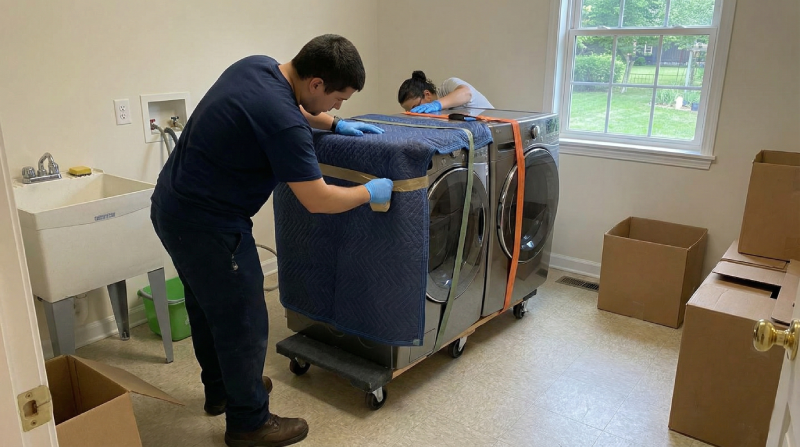
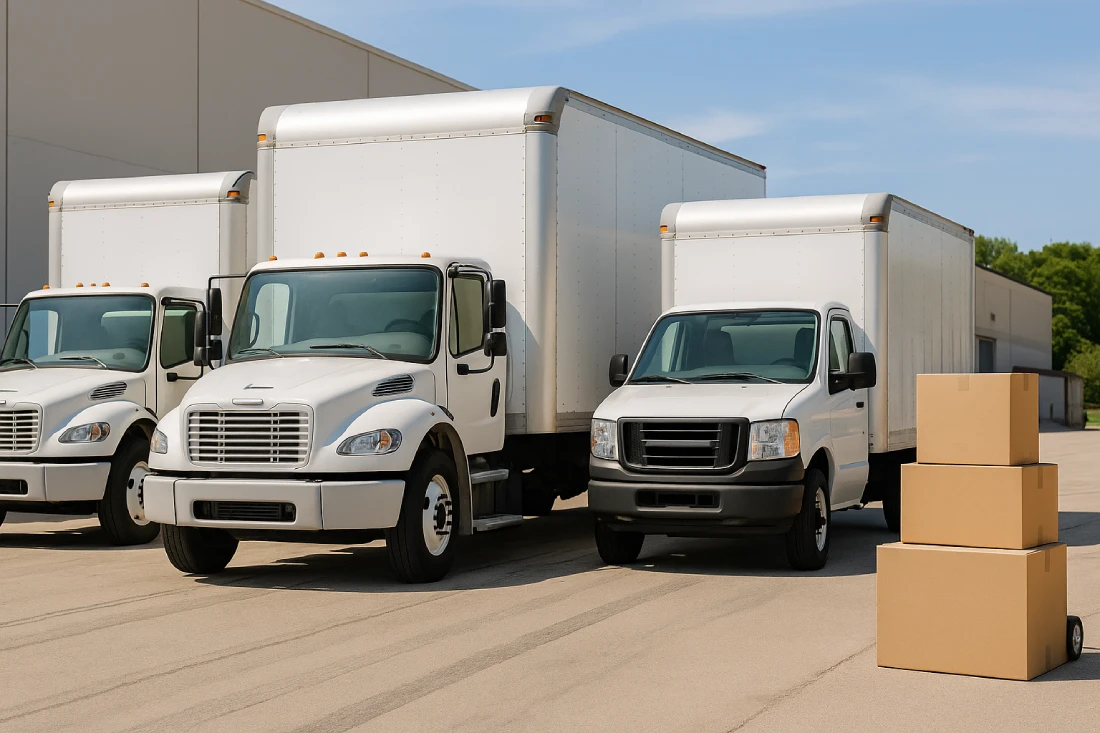
Professional movers rely on specific tools that reduce injury risk and speed up the process. A furniture dolly ($40 to buy, $15 to rent) lets you wheel heavy dressers, washing machines, and stacked boxes instead of carrying them. A hand truck works better for tall items like refrigerators on stairs because it gives you more control. Truck rental companies often bundle dollies, straps, and blankets for less than renting each item separately.
These additional tools protect your body and belongings:
- Furniture sliders ($20/set) go under each leg or corner, letting you push a 200-pound dresser across the floor with minimal effort instead of lifting and carrying it.
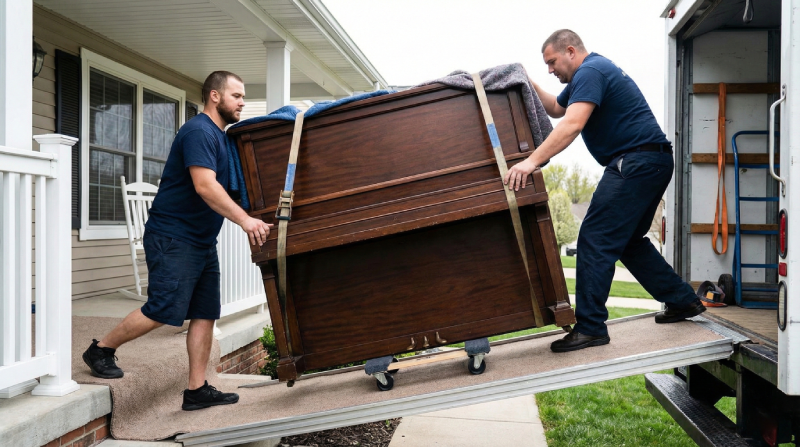
- Moving straps (also called lifting straps) wrap around furniture and your shoulders, spreading weight across your legs and core rather than putting all the strain on your lower back.
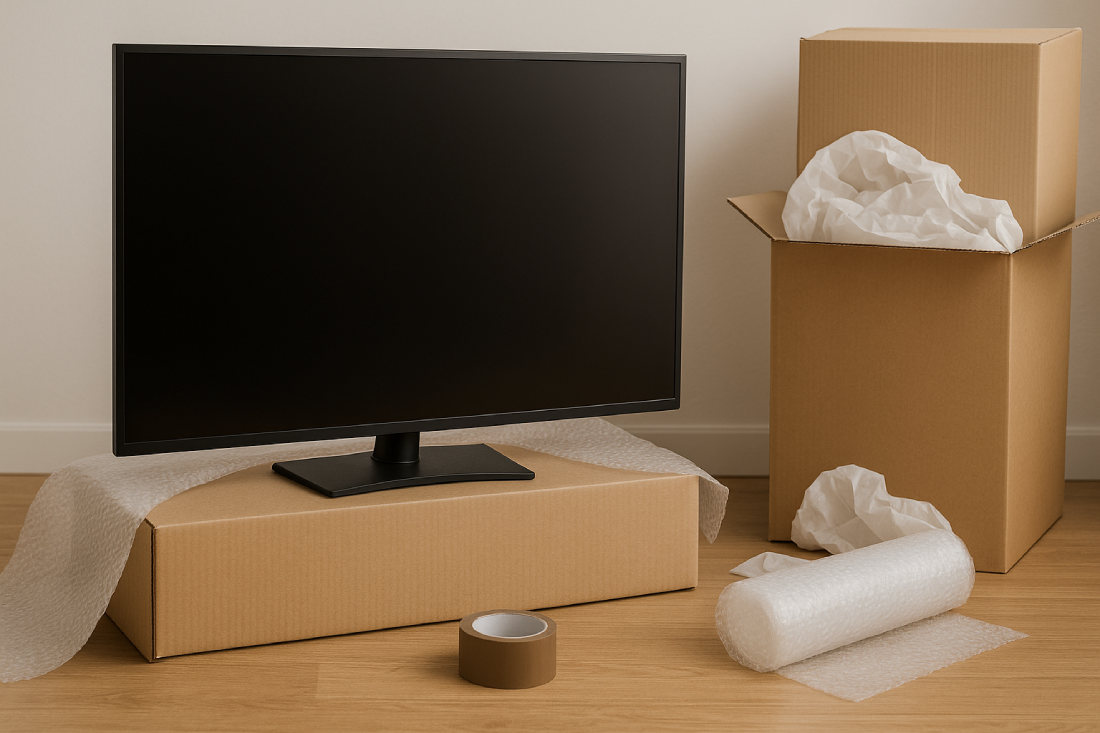
- Moving blankets cushion furniture edges and protect doorframes and walls from scratches, while plastic stretch wrap keeps dresser drawers from sliding open mid-carry.
- A small toolkit: screwdriver for removing table legs, plastic bags to keep screws organized by furniture piece, permanent marker for labeling which room each item goes to, and a tape measure to verify tight doorways before attempting passage.
Tips To Move Furniture On Your Own
Good furniture moving starts with proper body mechanics and smart preparation. Wear closed-toe shoes with a grip to prevent slipping, and push items whenever possible. Pushing uses your leg and core muscles more effectively than pulling, which strains your back and shoulders. Take a 5-10 minute break every 20-30 minutes to prevent fatigue injuries, especially in temperatures above 80°F. Check out our other moving hacks and tips for additional guidance.
Lift correctly every time:
- Stand close with feet shoulder-width apart, bend at your knees (not your waist), and keep your back straight. This position lets your leg muscles do the work instead of straining your lower back.
- Grip firmly underneath the item, lift by straightening your legs, and keep the load close to your body. Holding objects away from your torso multiplies the effective weight and increases injury risk.
- Never twist while carrying. Move your feet to turn your entire body instead. Twisting under load is the leading cause of moving-related back injuries.
How To Move Furniture: Step-by-Step
Moving furniture successfully starts with three critical preparation steps that prevent the most common problems: measuring your route to avoid getting stuck in doorways, clearing obstacles that cause trips and damage, and modifying furniture to reduce weight and size.
Step 1: Measure Everything Before You Move
Grab a tape measure and record the width of every doorway, hallway, and stairwell along your route. Compare these measurements to your furniture dimensions. A couch that's 2 inches too wide for your hallway will force you to either remove the door or maneuver it on end, adding 20-30 minutes per piece.
Step 2: Clear Your Entire Path
Walk from your furniture's current location to its destination and remove everything in the way. Roll up area rugs that create tripping hazards, take down wall art near narrow passages, and move any decorative items on side tables or shelves. Lay cardboard or moving blankets on floors where you'll slide furniture to prevent scratching hardwood or tile.
Step 3: Disassemble Furniture to Reduce Weight
Remove table legs, bed frames, and couch cushions before lifting anything. A dining table weighing 150 pounds becomes four 20-pound legs and an 80-pound top, which is much easier to carry through tight spaces. Keep screws in labeled plastic bags taped to each piece so you know what goes where during reassembly.
Step 4: Plan Your Loading Sequence
Move the heaviest items first while you have maximum energy, placing them at the front of your truck or storage area to create a stable base. Fill gaps with boxes and lighter pieces to prevent shifting during transport. This approach reduces the risk of dropping heavy items when you're fatigued later in the move.
Navigating Stairs, Doorways, and Tight Spaces With Furniture
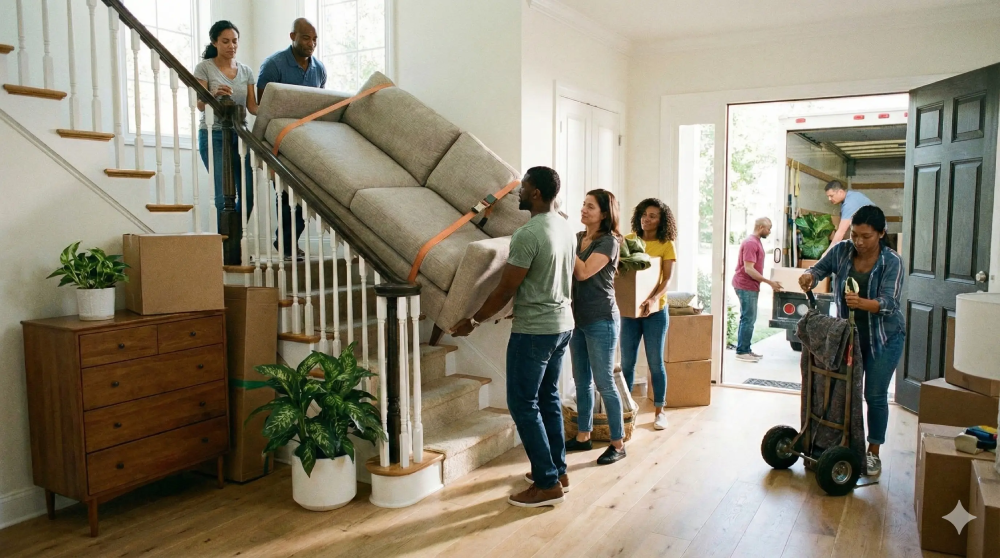
Stairs require extra caution and clear communication. When going up, the strongest person takes the bottom position to bear most of the weight. Going down, they should be at the top to control the descent. Move one step at a time and rest on landings. Rushing causes most moving injuries.
For upper floors with large windows or sliding doors, consider whether removing a window provides an easier path than wrestling items up narrow stairs. Many apartment complexes also have freight elevators with more space than residential elevators.
Getting Furniture Through Tight Doorways
For tight doorways, the "L" method often works when straight approaches fail. Stand the item on end, then hook one end through while rotating the piece. This works especially well for long couches and mattresses. Sometimes removing the door from its hinges provides the extra clearance you need.
Protecting Your Space in Tight Areas
Before moving through tight areas, tape cardboard or foam padding to corners where furniture might bump, create a cardboard runway on floors to slide items through without scratching, and have one person guide from the front to spot problems while another pushes from behind.
When to Hire a Professional To Help You Move Your Furniture
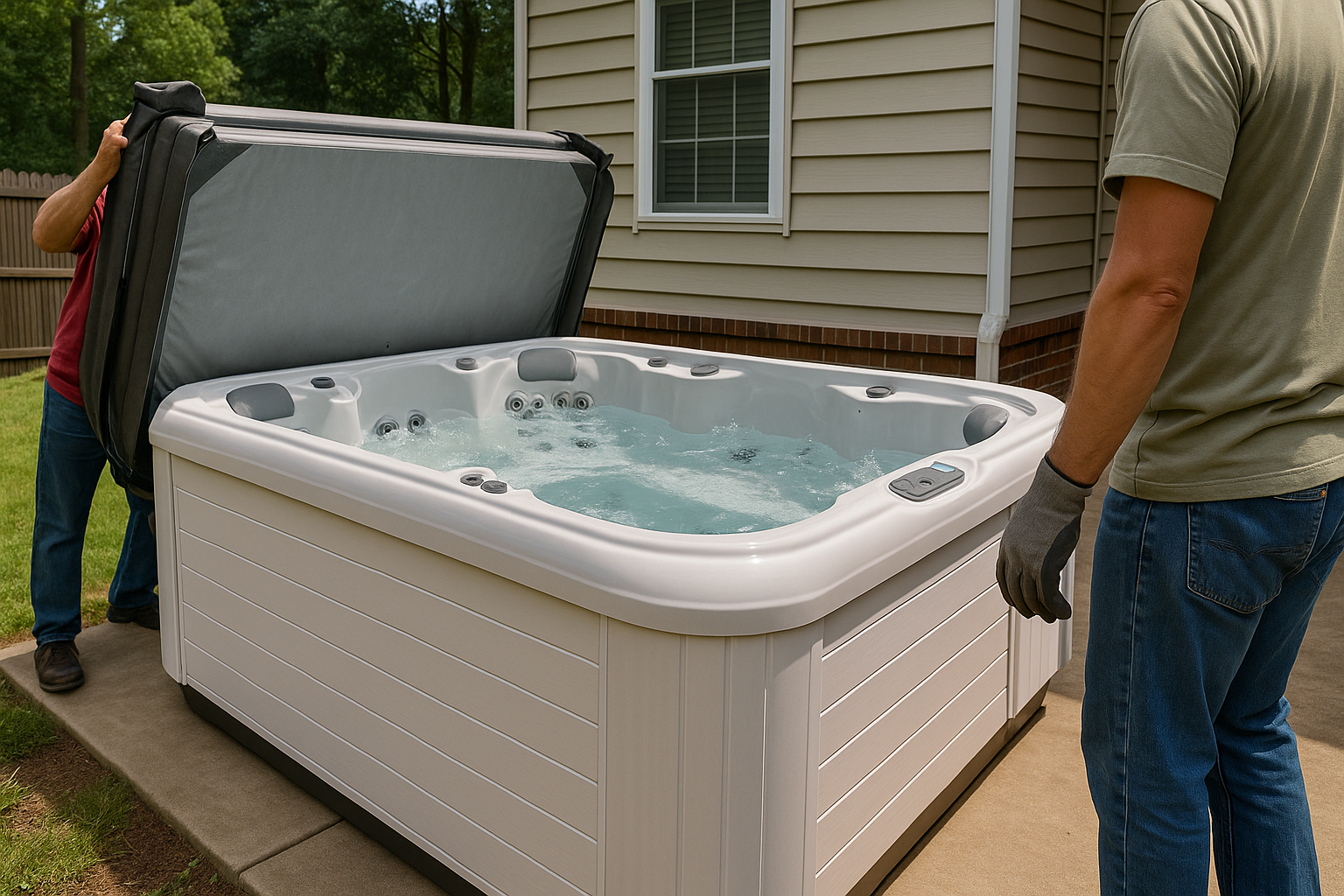
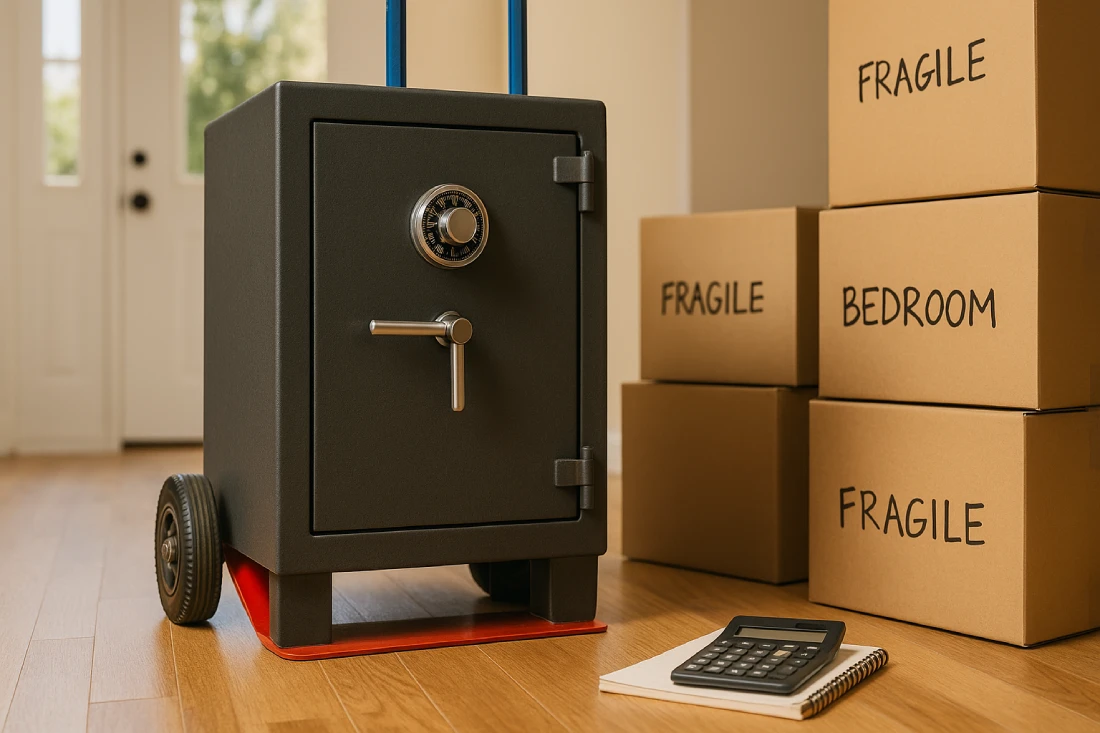
When on the fence about hiring movers or DIY, consider that pianos, safes, and pool tables require specialized equipment and expertise. Items over 300 pounds need professional handling, as do valuable pieces and moves involving multiple flights of narrow or winding stairs.
Traditional full-service movers charge $1,200-$5,000 for local moves, including their truck. Labor-only movers cost much less at $50 per mover per hour because you provide your own truck ($50-100 for local moves). For a three-hour move with two movers, you're looking at $300 versus potentially thousands (typically 40-50% savings while still protecting your back).
If you feel anxious about moving a particular piece, that's your instinct telling you to get help. Professional movers can load a full apartment in the time it takes most people to figure out one couch.
Get help if you have:
- Physical limitations like recent injuries, chronic pain, or recognition of your limits.
- Time constraints requiring completion in hours rather than days.
- Lack of proper equipment or help from friends.
Local and Regional Considerations of Moving Furniture
Apartment complexes often require elevator reservations, proof of insurance, and designated moving hours (typically not during evening rush times). Some charge deposits or fees for extended use of common areas. Contact building management at least a week before moving to understand requirements and avoid surprises. These factors influence how long it takes you to move.
Weather impacts safety and efficiency. Rain and snow create slip hazards, while extreme heat causes faster fatigue. In hot climates, start early when temperatures are cooler. For winter moves, spread salt or sand on walkways and allow extra time. Keep towels handy to dry wet furniture before loading.
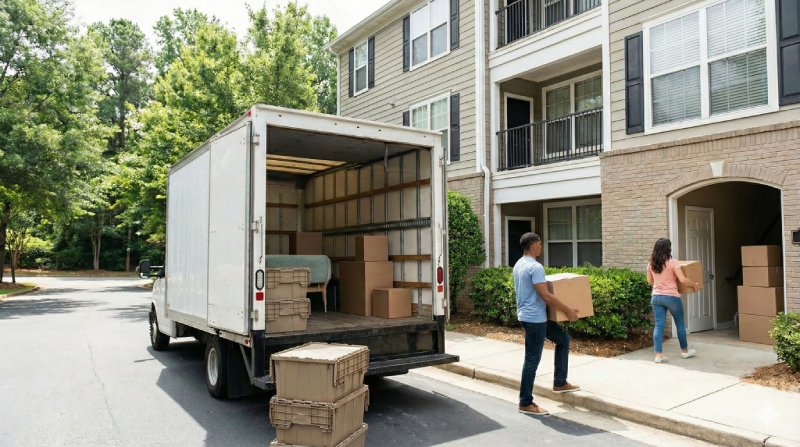
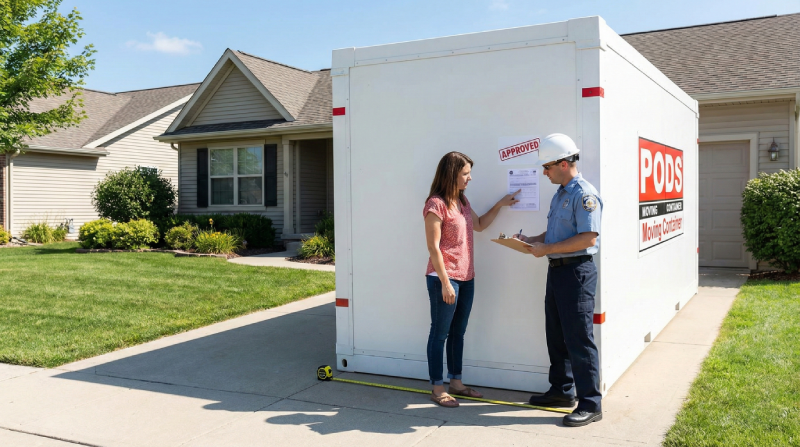
Urban areas present parking restrictions, narrow streets, and limited loading zones. Many cities require permits for moving trucks or charge for reserved parking spaces. Check local regulations at least 48 hours in advance, and have someone stay with the truck in busy neighborhoods to prevent tickets and theft.
Housing type matters:
- Historic homes often have narrow staircases and small doorways that don't accommodate modern furniture
- High-rise apartments might have specific loading dock procedures and strict time limits
- Suburban homes typically offer easier access but longer carries from truck to rooms
Moving Furniture Doesn't Have to Break Your Back
The difference between a successful move and a disaster comes down to three things: planning your route and preparing the space, using equipment like dollies and sliders to reduce strain, and honestly knowing when a piece is too heavy or awkward to handle alone. These techniques work for most residential moves, but remember that the cheapest option often costs more when you factor in potential injuries or damaged furniture. If you're in North Carolina and need experienced hands without the full-service price tag, Moving Muscle's loading and unloading services give you professional help at $50 per mover per hour.
Frequently Asked Questions About Moving Furniture
What is considered too heavy to move alone?
Anything over 75 pounds becomes risky for solo lifting, though this varies by individual strength and health. When in doubt, get help rather than risk injury.
How do I move a very heavy couch?
Remove all cushions, use sliders under each leg, and stand it on end to reduce its footprint through doorways.
What is the best way to move heavy furniture upstairs?
The stronger person takes the bottom position going up, moves one step at a time, and rests on landings.
How much does it cost to have someone move furniture?
Labor-only movers charge around $50 per mover per hour, while full-service movers cost $1,200-5,000 for local moves.








































.webp)