Complete moving checklist for landlords and tenants that goes beyond just packing boxes and loading trucks. A solid checklist protects both tenants and landlords from disputes and helps you get more of your security deposit back. Whether you're ending a lease or preparing your property for new tenants, planning ahead prevents costly mistakes. This guide covers room-by-room cleaning tasks, documentation tips, and legal timelines for a smooth transition. You'll learn what inspectors check, common mistakes that cost deposits, and how to document everything properly.
Why a Move-Out Checklist Matters for Tenants and Landlords
A detailed tenant move-out checklist protects everyone's interests during the transition. Tenants who follow a structured approach typically get back 85% more of their security deposits compared to those who rush through the process. Landlords get properties in better condition, which reduces turnover costs and time between tenants.
Security deposit disputes are the most common source of tenant-landlord conflicts. Over 60% come from disagreements about property condition. A complete move-out checklist creates clear expectations and documentation that protect both parties. Tenants can prove they left the property in good condition, while landlords have evidence if damage goes beyond normal wear and tear.
Legal compliance is another important reason to follow proper move-out procedures. Most states have specific rules for how landlords must handle deposits and what documentation tenants must provide. Missing these deadlines or requirements can result in penalties, from losing deposit claims to paying triple damages in some states.
Move-Out Timeline: 30 Days to Moving Day
Four Weeks Before Moving
Start your move-out checklist for tenants by giving written notice to your landlord according to your lease terms. Most leases require 30 days' notice, though some need 60 days. Begin decluttering each room, donating or selling items you won't take to your new home. Schedule any needed repairs for damage beyond normal wear and tear. Fixing issues now costs less than deposit deductions later.
Take photos of any existing damage to compare with your move-in inspection records. Review your lease for specific move-out requirements like professional carpet cleaning or painting. Contact utility companies to schedule disconnection dates that match your move-out date.
Three Weeks Before Moving
Book your local movers or reserve a truck if you're handling the move yourself. Gather important documents like your lease, move-in inspection report, and any maintenance request records. Start deep cleaning less-used areas like storage closets, the garage, and basement spaces while they're still relatively empty.
Submit a change of address form with the postal service and update your address with employers, banks, and subscription services. Begin using up frozen foods and cleaning supplies to reduce what you'll need to move or throw away.
Two Weeks Before Moving
Pick up your packing efforts while staying organized for the cleaning phase. Ask for your security deposit return timeline in writing from your landlord. Schedule your final walkthrough appointment for after you've finished all cleaning but before returning keys.
Final Week
Complete all remaining repairs and touch-up painting. Do your room-by-room deep cleaning following the detailed renter move-out checklist below. Document everything with photos and videos. Make sure good lighting shows the true condition of each space.
Room-by-Room Move-Out Cleaning Checklist
Kitchen Deep Cleaning Tasks
Your kitchen needs the most intensive cleaning since grease and food residue build up in hidden areas. Remove everything from cabinets and drawers, then wipe all surfaces with appropriate cleaners. Pull out the refrigerator to clean behind and underneath it. Inspectors often check these hidden spaces.
Clean the oven thoroughly using proper oven cleaner or a baking soda paste for stubborn stains. Remove burner pans and drip trays from the stovetop to soak and scrub separately. Wipe down the range hood and replace or clean the filter if it's visibly dirty. The dishwasher needs attention too. Run an empty cycle with vinegar and check the filter for debris.
Don't forget smaller details that affect deposit returns. Clean inside the microwave, including the ceiling and turntable. Scrub the sink until it shines and clear any drain clogs. Wipe cabinet faces, handles, and the backsplash area where splatter builds up.
Bathroom Sanitization Requirements
Bathrooms show wear quickly but respond well to proper cleaning. Start from the ceiling, removing any mildew or moisture stains with appropriate cleaners. Clean exhaust fans by removing covers and washing them separately. Dusty fans show poor maintenance to inspectors.
Scrub tile grout with a specialized cleaner or baking soda mixture. Pay special attention to corners where mold grows. Remove soap scum from glass shower doors using vinegar or commercial removers. Clean toilet bowls inside and out, including behind and around the base where dust collects.
Replace any missing or broken toilet seats. These inexpensive fixes prevent larger deductions. Check and clean under sink cabinets for any leaks or water damage. Polish faucets and mirrors until they're spotless. These reflective surfaces immediately show a room's cleanliness level.
Living Areas and Bedrooms
These spaces typically need less intensive cleaning but still require attention to details that affect deposit returns. Dust ceiling fans thoroughly, including the tops of blades where dust builds up heavily. Clean light fixtures and replace any burnt-out bulbs with the correct wattage.
Remove all nails and screws from walls, then fill holes with spackling compound. Touch up paint only if you have the exact color match. Mismatched paint often looks worse than small holes. Professional apartment movers recommend cleaning windows inside and out, including tracks and sills where dirt collects.
Vacuum carpets thoroughly, including edges and corners where dust gathers. For hardwood floors, use appropriate cleaners and check for scratches that might need addressing. Clean inside closets completely, wiping down shelves and rods where dust settles.
Laundry Room and Utility Spaces
Clean behind and under the washer and dryer if you're leaving them. Clear lint from dryer vents to prevent fire hazards. Clogged vents suggest poor maintenance. Wipe down water heater areas and furnace surroundings, removing any stored items or debris.
Exterior and Storage Areas
Sweep patios, balconies, and any outdoor spaces included in your lease. Remove all personal items from storage units, garages, or basement areas. Clean any oil stains in garage floors using appropriate degreasers. Make sure outdoor trash areas are clean and all garbage is properly thrown away.
Documentation and Photography Best Practices
Proper documentation protects both parties during the move-out inspection. Take photos during daylight hours when possible. Natural light shows true conditions better than flash photography. Capture wide shots of each room from multiple angles, then focus on specific areas like appliances, fixtures, and any existing damage.
Create a photo inventory system that's easy to reference later. Name files by room and date, such as "Kitchen_NorthWall_01292024." Include a timestamp app or newspaper in photos to prove when they were taken. Video walkthroughs provide additional context that still photos might miss.
Keep all receipts for cleaning supplies, repairs, or professional services used during move-out. These documents prove you tried to return the property in good condition. Store digital copies in cloud storage and email them to yourself for backup. Provide copies to your landlord with your forwarding address for the security deposit return.
Common Move-Out Mistakes That Cost You Your Deposit
Many tenants lose deposit money to easily avoidable mistakes. Forgetting to clean inside appliances ranks among the top reasons for deductions. Inspectors always check inside ovens, refrigerators, and dishwashers, finding built-up grime that suggests poor overall maintenance.
Leaving items behind creates immediate deductions for disposal costs. Even small items like shower curtains or cleaning supplies count as abandoned property that needs removal. Double-check all storage areas, including attics, basements, and outdoor sheds before your final departure.
Missing the carpet cleaning requirement catches many tenants off-guard. If your lease specifies professional cleaning, you need a receipt from a legitimate service. Your own efforts won't satisfy this requirement regardless of quality. Similarly, failing to provide a forwarding address in writing can delay or forfeit your deposit return entirely in some states.
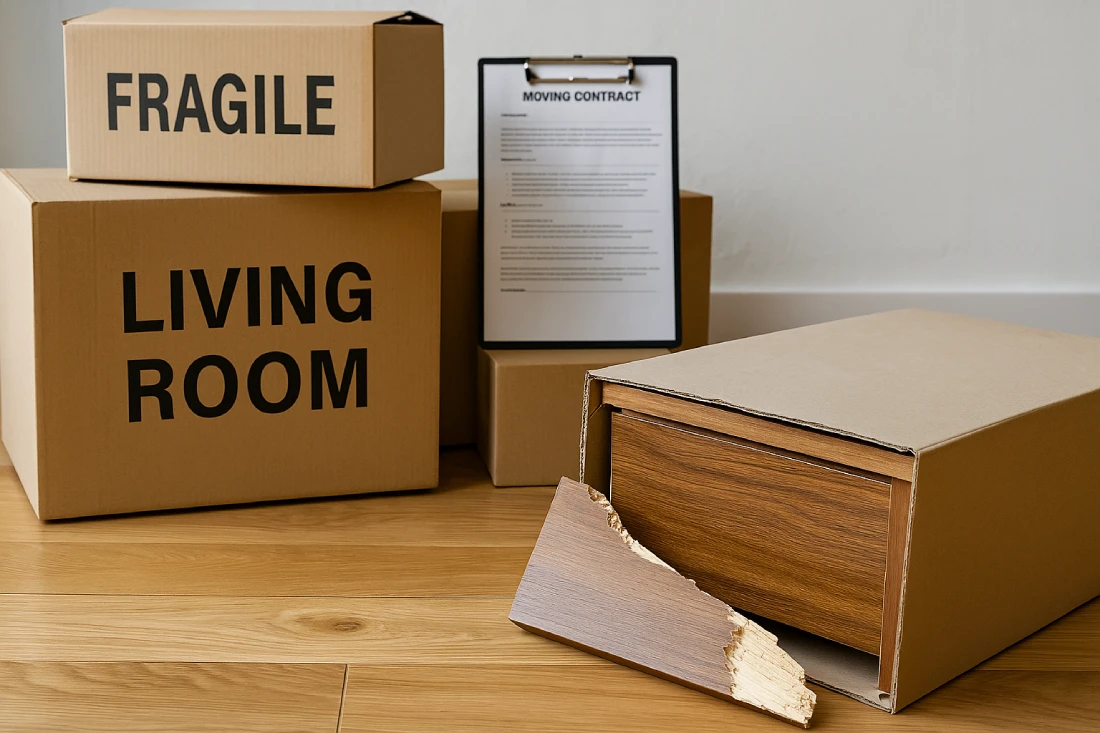
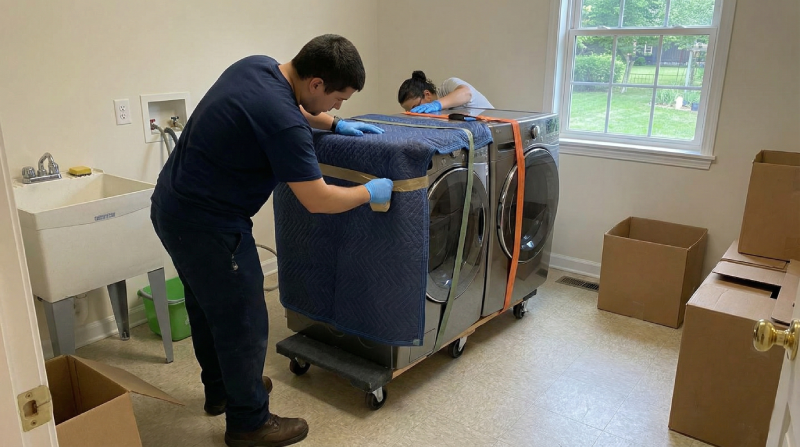
Wall damage beyond small nail holes creates significant deductions. Large holes, missing paint, or unauthorized modifications like removed fixtures cost far more than expected. When moving furniture, protect walls from scrapes and dents that build up quickly during rushed moves.
Final Walk-Through: What Landlords Inspect
Understanding the landlord move-out inspection checklist helps tenants prepare better. Inspectors start with overall cleanliness, looking for signs of regular maintenance versus last-minute cleaning attempts. They check whether appliances work properly and show normal wear versus damage from misuse or neglect.
Flooring gets careful scrutiny since replacement costs are substantial. Inspectors can tell the difference between normal traffic patterns and damage from pets, water, or improper cleaning methods. Small carpet stains might be overlooked, but large areas or permanent damage trigger replacement charges.
State-specific timelines govern how quickly landlords must return deposits after move-out. California requires 21 days, Texas allows 30 days, while New York mandates just 14 days. Landlords must provide itemized deduction lists explaining any withheld amounts. Understanding these deadlines helps tenants follow up appropriately if deposits aren't returned on time.
Downloadable Move-Out Checklist Template
A printable move-out checklist for landlords and tenants streamlines the entire process. Download templates should include room-by-room task lists, documentation reminders, and timeline checkpoints. The best templates have checkboxes for easy tracking and space for notes about specific issues or completed repairs.
Digital formats allow customization for specific property types or lease requirements. Include sections for both tenant responsibilities and landlord inspection points. Add local legal requirements and timelines relevant to your state's regulations.
Making Your Move-Out Process Smooth and Deposit-Friendly
Successfully completing your move-out checklist requires planning, attention to detail, and proper documentation throughout the process. Start preparations at least 30 days before moving to avoid rushed cleaning or missed requirements that trigger deductions. Focus your efforts on kitchens and bathrooms where inspectors look most closely. Document everything with photos and keep all receipts. This structured approach reduces disputes and helps both tenants and landlords.
Frequently Asked Questions
What's the difference between normal wear and tear versus damage?Normal wear includes minor scuffs on walls, small carpet traffic patterns, and loose door handles from regular use. Damage includes large holes in walls, pet stains, broken fixtures, or burns in carpets that need repair or replacement.
Do I need to hire professional cleaners before moving out?Check your lease for specific requirements. Some require professional carpet cleaning or overall professional service with receipts as proof.
Can landlords deduct for painting if I lived there several years?Most states consider painting normal wear after 2-3 years of tenancy, but excessive damage or unauthorized colors may still trigger deductions.
Should I be present during the final inspection?Yes. Attending the walk-through lets you address concerns immediately and document the inspector's findings for your records.
What happens if I don't provide a forwarding address?Many states allow landlords to keep the entire deposit if tenants don't provide written forwarding addresses within required timeframes.
How long can a landlord wait to return my security deposit?Timelines vary by state from 14 to 60 days, with most requiring 21-30 days plus itemized deduction lists.
Can I use my security deposit as last month's rent?Generally no. Most leases prohibit this practice and doing so can result in eviction proceedings or legal action.
What if my landlord claims damages that existed at move-in?Your move-in inspection documentation and photos become critical evidence to dispute these claims through small claims court if necessary.




















.webp)