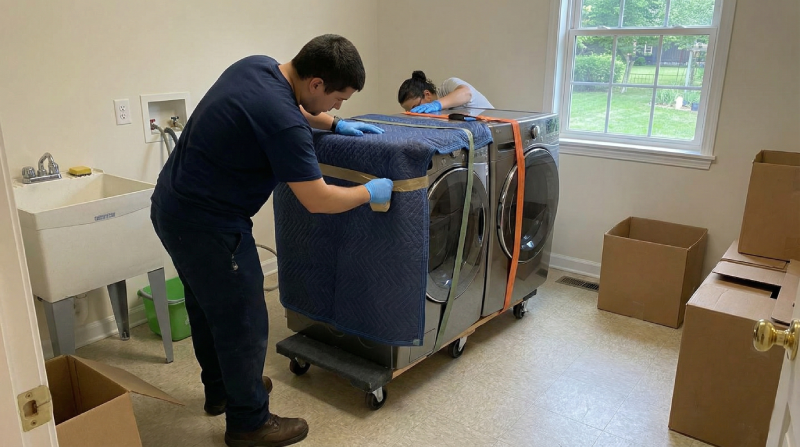
Moving is stressful because it disrupts your mental stability, overwhelms you with too many tasks, and creates financial uncertainty while you leave behind familiar places and people you know. Research places moving just below death and divorce on the Holmes-Rahe Stress Scale, affecting nearly 40 million Americans each year. This article examines the psychological reasons behind why moving is so stressful, identifies the specific factors that impact your mental and physical health, and provides practical strategies to reduce stress before, during, and after your move.
Why Is Moving So Stressful? (The Science & Psychology)
Moving disrupts multiple psychological systems at once, creating a perfect storm of stress in your brain and body. Research shows that relocation triggers both short-term and long-term stress, affecting everything from your sleep to your ability to make decisions.
The psychological impact starts with place attachment theory. Your brain forms deep emotional connections to familiar spaces, using them as anchors for memory and identity. When you move, you're not just changing addresses. You're cutting neurological pathways that have developed over years.
Your amygdala interprets this loss as a threat, triggering the same fight-or-flight response our ancestors experienced when leaving safe territory. This ancient survival mechanism explains why even positive moves can feel threatening to your nervous system.
Uncertainty makes moving stress much worse. Your prefrontal cortex, responsible for planning and decision-making, becomes overloaded with countless unknowns about your new environment. Will the neighborhood be safe? Where will you shop for groceries? How long will your new commute take?
This mental overload leads to decision fatigue, making even simple choices feel overwhelming. Loss of control makes these effects even worse.
Moving forces you to depend on others (landlords, movers, utility companies) at a time when you need stability most. Studies show that perceived control directly relates to stress hormones like cortisol. When you can't control your timeline, costs, or outcomes, your body stays in a state of high alert that drains both mental and physical energy.
The Main Causes of Moving Stress
Understanding the specific triggers of moving house stress helps you prepare for and manage each challenge better. These seven primary causes affect nearly everyone who relocates, though their intensity varies based on individual circumstances.
Logistical Overload
The sheer volume of tasks involved in moving overwhelms even the most organized people. You're managing dozens of processes at once: packing belongings, coordinating schedules, transferring utilities, updating addresses, and arranging transportation.
Each task creates multiple smaller tasks, leading to an exponential growth of responsibilities that your brain struggles to track. This mental burden gets worse as your moving date approaches.
Financial Anxiety
Money concerns create constant background stress throughout the moving process. Hidden costs appear everywhere, from packing supplies to utility deposits to unexpected repairs.
Traditional moving companies often quote $1,200 to $5,000 for local moves, then add surprise fees for stairs, heavy items, or extended time. This financial unpredictability makes budgeting nearly impossible, forcing you to choose between overspending and risking disaster.
Emotional Attachment and Loss
Leaving familiar places triggers genuine grief responses. You're not just leaving walls and floors. You're leaving the backdrop of important memories, the comfort of known spaces, and the security of established routines.
This emotional toll hits particularly hard when leaving childhood homes, first apartments, or places where major life events occurred. The loss feels personal because it is personal.
Physical Exhaustion
Moving demands intense physical labor that most people aren't prepared for. Lifting heavy furniture, climbing stairs repeatedly, and maintaining awkward positions while packing leads to muscle strains, back injuries, and complete exhaustion.
The physical toll affects your emotional resilience, making you more vulnerable to stress and poor decision-making. When your body hurts, everything feels harder.
Time Pressure and Deadlines
Fixed deadlines create some of the worst moving stress. These time pressures include:
- Lease endings and closing dates create inflexible deadlines that ignore your personal readiness.
- Work schedules don't pause for moving, forcing you to manage relocation during nights and weekends.
- Service availability windows from utility companies and movers dictate your schedule rather than accommodating it.
Uncertainty and Fear of the Unknown
The unknown aspects of your new location trigger primal anxiety responses. Your brain can't properly assess risks in unfamiliar environments, staying in a state of heightened alertness.
Questions about safety, social connections, and daily logistics create persistent worry that disrupts sleep and concentration. This uncertainty continues until you've become familiar with your new surroundings.
Social Support Disruption
Moving often means leaving your support network when you need it most. The friends who would normally help you through stressful times are suddenly far away.
Building new relationships takes time and energy you don't have during the stress of relocation, leaving you isolated during one of life's most challenging transitions. This isolation makes all other moving stressors worse.
Financial Stress: Budgeting and Cost Control
Financial uncertainty creates persistent anxiety throughout the moving process. Understanding common expenses and planning strategies helps you maintain control over costs and reduce money-related stress.
Common Hidden Costs
Moving expenses extend far beyond truck rental and mover fees. Many costs catch people by surprise, including:
- Packing supplies typically cost $200-$500, depending on home size.
- Utility deposits and connection fees can total $300-$800.
- Time off work for packing and moving represents lost income many people forget to factor in.
- Temporary storage, cleaning supplies, and immediate repairs at your new place add hundreds more to your final tally.
How to Plan and Budget for a Move
Create three budget categories: fixed costs (truck rental, deposits), variable costs (supplies, food), and emergency fund (25% of total budget). Track quotes from multiple sources for each service, noting what's included and what costs extra.
Build your timeline around free or cheap resources when possible:
- Many liquor stores give away sturdy boxes.
- Some truck rental companies offer mid-week discounts.
When to Consider Professional Help
Professional help makes financial sense when the cost of your time, injury risk, and stress exceeds the service price. If you earn $25 per hour and a move would take you 20 hours, paying $300 for professional movers who complete it in 3 hours actually saves money.
Consider your physical health, available help, and timeline pressure when deciding if professional services fit your budget. Sometimes the peace of mind alone justifies the expense.
How Partial Professional Help Can Reduce Stress and Save Money
Hybrid moving services offer the perfect middle ground between expensive full-service options and exhausting DIY moves. By renting your own truck but hiring professional labor for loading and unloading, you save 40-50% while eliminating the hardest parts of moving.
You maintain control over timing and transportation while professionals handle the physical demands with proper equipment and technique. This approach particularly benefits people who want to stay involved in their move without risking injury or exhaustion.
Two professional movers for three hours typically costs around $300, far less than the $1,500 average for full-service options. You get expert help exactly where you need it without paying for services you can handle yourself.
Who Is Most Affected by Moving Stress?
While stress when moving affects everyone, certain populations face higher vulnerability due to developmental, psychological, or life factors. Understanding these differences helps tailor support strategies for those who need them most.
Children and Adolescents
Young people lack the mental frameworks to process major transitions well. Children under 10 struggle to understand permanence, often believing they'll return to their old home soon.
This confusion shows up as behavioral regression, sleep problems, and academic difficulties. Teens face additional challenges with disrupted peer relationships during important identity development years. They may experience intense anger, withdrawal, or depression as they grieve lost friendships and familiar social structures.
Older Adults
Seniors face unique challenges when relocating, especially when downsizing or entering assisted living. Decades of accumulated belongings carry deep emotional significance, making decluttering feel like erasing history.
Physical limitations make packing and lifting dangerous or impossible. Cognitive changes can make learning new routines and navigating unfamiliar spaces overwhelming, increasing fall risks and confusion.
Personality Factors
Certain personality types experience moving stress more intensely:
- Introverts drain their limited social energy managing movers, neighbors, and service providers.
- Highly sensitive people become overwhelmed by sensory changes in new environments.
- People with anxiety disorders experience amplified worry about everything that could go wrong.
People Experiencing Co-occurring Transitions
When moving happens alongside divorce, job loss, death, or illness, stress compounds exponentially. These individuals lack the emotional bandwidth to handle multiple major changes at once.
Their coping mechanisms are already stretched thin, making the additional burden of relocation potentially traumatic. Support systems become fractured just when they're needed most, creating dangerous isolation during vulnerable periods.
How to Reduce Moving Stress: Before, During, and After
Strategic planning and self-care practices can significantly reduce the impact of moving and stress on your mental and physical health. These evidence-based strategies address each phase of your relocation journey.
Pre-Move Strategies
Start planning three months before your move to avoid last-minute panic. Create a master timeline with weekly milestones, breaking overwhelming tasks into manageable chunks.
Declutter systematically, starting with low-emotion areas like bathrooms before tackling sentimental items. This gradual approach prevents decision fatigue and reduces the volume you'll need to move.
Budget with a 25% buffer for unexpected costs. Track every expense in a dedicated moving spreadsheet, including:
- Cleaning supplies and packing materials.
- Takeout meals during packing days.
- Tips for helpers and service providers.
Research shows that financial preparedness reduces anxiety more than any other pre-move strategy. Book professional help early for the most physically demanding tasks.
Labor-only services cost 40-50% less than full-service movers while eliminating injury risk and exhaustion. Having professionals handle heavy lifting lets you focus on tasks only you can do, like organizing and decision-making.
Day-of-Move Tips
Protect your physical and mental energy on moving day through deliberate self-care. Wake up early to eat a proper breakfast. Your body needs fuel for the marathon ahead.
Stay hydrated and take regular breaks by:
- Setting hourly water alarms on your phone.
- Taking 10-minute breaks every two hours to stretch and breathe.
- Resetting your stress levels before returning to tasks.
Delegate everything possible to reduce your mental load. Assign one person to direct movers, another to handle paperwork, and someone else to manage supplies. Clear role division prevents the chaos of everyone doing everything poorly.
Post-Move Adjustment
Start by unpacking your most important spaces first to establish normalcy quickly. Set up your bedroom completely before tackling other rooms. Quality sleep is important for stress recovery.
Create one fully functional space where you can retreat when overwhelmed by boxes and disorder. This becomes your anchor point during the adjustment period.
Establish new routines within the first week to anchor your sense of stability by:
- Finding a local coffee shop or favorite spot.
- Identifying your grocery store and pharmacy.
- Taking the same walking route each morning.
These small consistencies help your brain adapt to the new environment more quickly. Give yourself permission to take adjustment slowly. There's no prize for unpacking everything in one day.
Special Considerations for Sensitive Populations
Certain groups require modified strategies to manage moving depression and related challenges. These tailored approaches acknowledge unique needs while maintaining dignity and independence.
Highly Sensitive People
Highly sensitive people process sensory information more deeply, making environmental changes overwhelming. They need extra time to adjust to new sounds, smells, and spatial arrangements.
Creating familiar sensory anchors (using the same laundry detergent, playing familiar music, maintaining consistent lighting) helps ease the transition. Planning quiet recovery time after high-stimulation activities like unpacking prevents sensory overload.
Families with Children
Children need concrete information and involvement to process moves in a healthy way. Create visual calendars showing the moving timeline, let them pack special boxes of treasures, and maintain bedtime routines throughout the transition.
Acknowledge their feelings without minimizing them. Saying goodbye to their old room is genuine loss that deserves respect. Validating their emotions helps them process the transition better.
Seniors
Older adults benefit from gradual transitions when possible. If downsizing, start by removing items from storage areas before touching daily living spaces. Maintain familiar furniture arrangements in the new space to reduce disorientation.
Involve them in decisions while providing gentle support for overwhelming choices. Professional organizers specializing in senior transitions can provide valuable emotional and practical support throughout the process.
Moving Should Be Stress-Free: Help Us Help You
Moving ranks among life's most stressful events because it disrupts your mental stability, overwhelms you with logistics, and strains your finances while severing familiar social connections. The key to managing this stress lies in recognizing that your anxiety response is neurologically normal, not a personal weakness.
Three evidence-based strategies make the biggest difference: Start planning 12 weeks early to avoid decision fatigue, budget with a 25% buffer for hidden costs, and delegate the heaviest physical tasks to prevent injury and exhaustion. Remember that children, seniors, and highly sensitive individuals need modified approaches that honor their unique processing needs.
Most importantly, adjustment takes time. Your brain needs 2-3 months to establish new neural patterns in unfamiliar environments. Be patient with yourself during this transition.
If you're planning a move and want to eliminate the most physically demanding aspects without paying for full-service costs, consider labor-only moving help, like us! Professional movers handle the heavy lifting while you maintain control over pacing and organization, reducing both injury risk and stress at a fraction of traditional moving costs.
Frequently Asked Questions
Can moving cause depression or serious mental health issues?Yes, relocation can trigger or worsen depression, especially when combined with social isolation or other stressors. Seek professional support if symptoms persist beyond two weeks.
How much should I budget for unexpected moving expenses?Add 25% above your estimated costs to cover hidden fees, supplies, deposits, and emergency expenses.
When is the best time to book professional movers?Book 3-4 weeks in advance for weekend moves, or 1-2 weeks for weekday availability.
Is it normal to feel anxious about moving even when it's a positive change?Yes, your brain reacts to change itself regardless of whether the circumstances are positive or negative.



.webp)