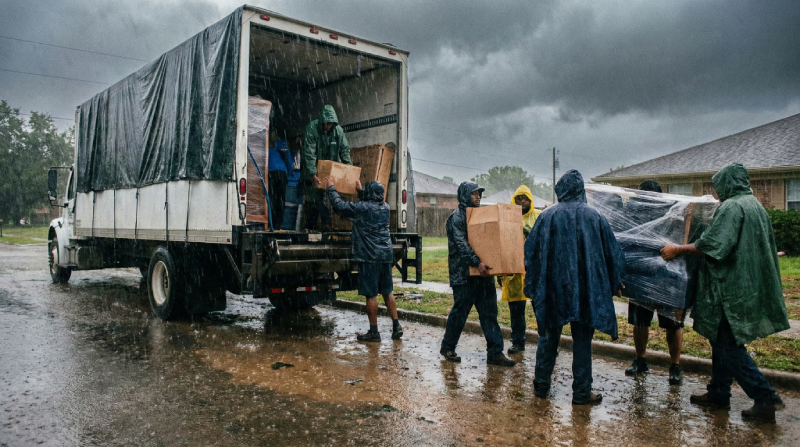
Moving during bad weather takes careful planning to protect your belongings and keep everyone safe. Whether you're facing Charlotte's summer thunderstorms, Raleigh's winter ice, or extreme heat, weather affects truck safety, furniture protection, and moving timelines. This guide covers strategies for moving in rain, snow, and heat, including when to reschedule, how to protect different furniture types, what supplies you need, and when hiring professionals makes sense.
Making the Decision to Move or Reschedule During Bad Weather
Deciding whether to move or reschedule means balancing weather forecasts with realistic risk assessment. Many moves can safely happen during light rain or moderate temperatures, but some weather conditions create real hazards that no amount of preparation can overcome. The National Weather Service issues specific alerts that should trigger immediate rescheduling, but understanding the full range of weather conditions (from manageable to dangerous) helps you make informed decisions that protect both your belongings and your team. Here's how to monitor conditions, recognize red flags, and create a decision framework for your moving day:
- Start monitoring forecasts seven days out: Check Weather.gov, local news stations, and apps like Weather Underground daily as your move approaches. Focus on hourly forecasts rather than general daily predictions. Look for patterns in precipitation timing, wind speeds, and temperature changes throughout your planned moving window.
- Recognize immediate deal-breakers: Flash Flood Warnings, Blizzard Warnings, High Wind Warnings above 40-46 mph, Tornado Watches or Warnings, lightning within 10 miles, ice-covered walkways without treatment options, extreme heat warnings above 95°F, and flooding that blocks your route all require immediate rescheduling. These conditions create unacceptable risks for injury, property damage, and vehicle accidents.
- Evaluate moderate conditions carefully: Light rain under 0.3 inches per hour, snow flurries without accumulation, and temperatures between 35-85°F remain manageable with proper supplies and techniques. Consider your physical capability, available help, distance between properties, and the type of items you're moving. Heavy furniture and fragile items need stable conditions for safe handling.
- Complete your decision checklist before committing: Check official weather alerts, assess your rental truck's weather readiness, confirm helper availability, and evaluate property access at both locations. If you're uncomfortable with any aspect, contact your truck rental company and hired movers immediately. Most understand weather-related postponements and offer flexible rescheduling. Last-minute moving services can help if you need to reschedule on short notice.
- Document conditions regardless of your decision: Take photos of current weather conditions for insurance purposes and communicate any schedule changes to all parties within 24 hours. This documentation protects you if weather causes unexpected damage despite your precautions.
Weather Monitoring and Preparation for Charlotte and Raleigh Moves
Charlotte experiences frequent summer thunderstorms, typically developing in late afternoon between June and September. These storms bring heavy rain, lightning, and occasionally hail, making morning moves preferable during the summer months. Winter brings occasional ice storms that can make roads treacherous, particularly in January and February when temperatures hover near freezing.
Raleigh's weather patterns include similar summer thunderstorm risks but with slightly more winter weather events due to its northern position. The area sees more frequent temperature swings that can create black ice conditions on moving day mornings. Spring months bring the highest rainfall totals, with April averaging over four inches, requiring extra preparation for rain on moving day scenarios. Learn more about living in North Carolina and its unique weather challenges.
Key Supplies for Moving Furniture in Rain and Snow
Protecting your belongings from moisture requires layering different materials strategically, with each item serving a specific purpose in your defense against rain and snow. Moving blankets alone won't stop water penetration, while plastic wrap without padding risks condensation damage to wood surfaces. The key is combining absorbent layers with waterproof barriers in the correct order, then supplementing furniture protection with floor coverings and personal gear that prevent tracking moisture throughout both properties. Here's what you need and how each item functions in your weather protection system:
- Heavy-duty moving blankets and waterproof outer layers: Start with 12-15 thick moving blankets ($10-15 each at U-Haul) as your moisture-absorbing base layer, then seal them with 18-24 inch plastic sheeting or stretch wrap ($20-30 per roll) to create complete waterproofing that prevents both rain penetration and condensation buildup.
- Specialized furniture bags for upholstery and mattresses: Invest in waterproof mattress bags ($15-25) and sofa covers ($30-40) rather than relying on makeshift plastic sheeting. These fitted protectors seal completely at closures and prevent the mold growth that ruins fabric furniture within 48 hours of moisture exposure.
- Floor protection and moisture control supplies: Lay plastic runners ($20-40) or cardboard sheets along all walkways to prevent mud tracking, position non-slip bath mats ($10-15 each) at entry points for safe stepping zones, and keep 20-30 dry towels accessible with a wet/dry vacuum ready for emergency water removal.
- Personal protective equipment for safe handling: Equip each helper with waterproof work gloves, rain ponchos or waterproof jackets, and boots with deep treads. Wet hands lose grip strength by 30%, making proper gloves important for maintaining control of heavy furniture in precipitation.
Preparing Your Home and Pathways for Safe Furniture Moving
Preparing your property before moving day begins transforms a potentially chaotic weather situation into a manageable process. The difference between a successful rainy-day move and a disaster often comes down to the groundwork you complete in the hours before the first piece of furniture leaves your home. While many people focus exclusively on wrapping furniture, the pathways between your door and the truck determine whether those protections actually work. Slippery walkways lead to falls, mud gets tracked throughout both properties, and moisture accumulates faster than you can manage it. Here's how to prepare outdoor pathways, create covered transition zones, and protect indoor surfaces:
- Clear and treat all outdoor walkways before movers arrive: Remove debris, leaves, and standing water using a push broom or leaf blower, then apply 5-10 pounds of ice melt or rock salt on concrete surfaces 30 minutes before loading begins. Sand provides immediate traction on icy spots where salt hasn't activated yet, and you'll need supplies ready for reapplication as foot traffic creates new slick spots throughout the day.
- Establish a covered loading zone between your home and truck: Position a 10x10 pop-up canopy ($100-150) to create a protected pathway, securing legs with sandbags or water weights to prevent wind damage. Budget-conscious movers can string a heavy-duty tarp between the home's eaves and truck, creating a temporary rain tunnel that keeps furniture dry during transport.
- Protect interior floors and create moisture management stations: Lay plastic sheeting or old rugs from entrance to rooms (securing edges with painter's tape), place towel stations at each doorway for immediate water removal, and remove valuable rugs while protecting hardwood floors with furniture pads or cardboard. Use door stops to keep entrances open, reducing repeated opening and closing that tracks in weather.
- Safeguard walls and prepare climate control in both properties: Protect walls and doorframes with padding or cardboard since visibility and control decrease in poor conditions, and position dehumidifiers in rooms where wet items might temporarily rest. This comprehensive preparation prevents thousands in potential floor and wall damage while maintaining safe working conditions throughout moving day.
How to Wrap and Protect Different Furniture Types in Bad Weather
Wood and veneered furniture requires a breathable moving blanket base layer to prevent moisture trapping that causes warping. Wrap each piece completely, securing blankets with tape or shrink wrap, then add a plastic outer layer. Keep wooden items vertical during transport and never let them sit directly on wet truck floors. Use wooden pallets or furniture pads as barriers.
Upholstered furniture and mattresses need immediate waterproof covering using specialized bags or thick plastic sheeting sealed with packing tape. Create overlapping layers at seams so no gaps exist where water can enter. For leather furniture, apply conditioner before wrapping to prevent cracking from temperature changes. If any upholstered item gets wet, dry it within 24 hours using fans and dehumidifiers to prevent permanent mold damage.
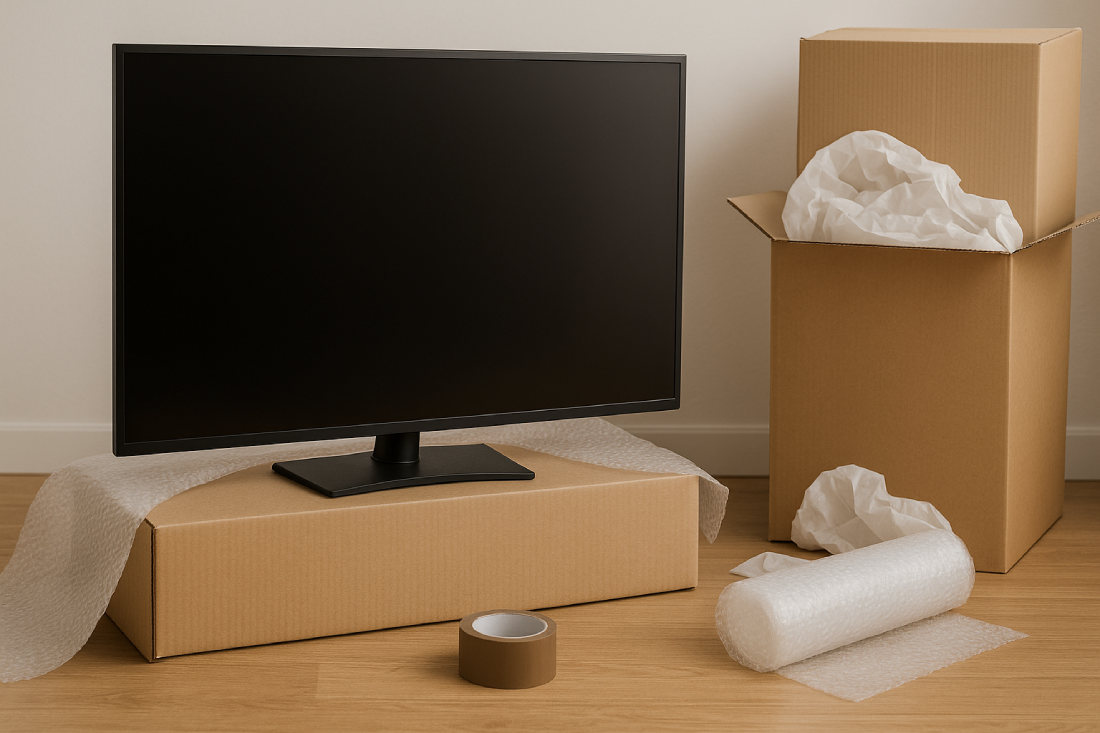
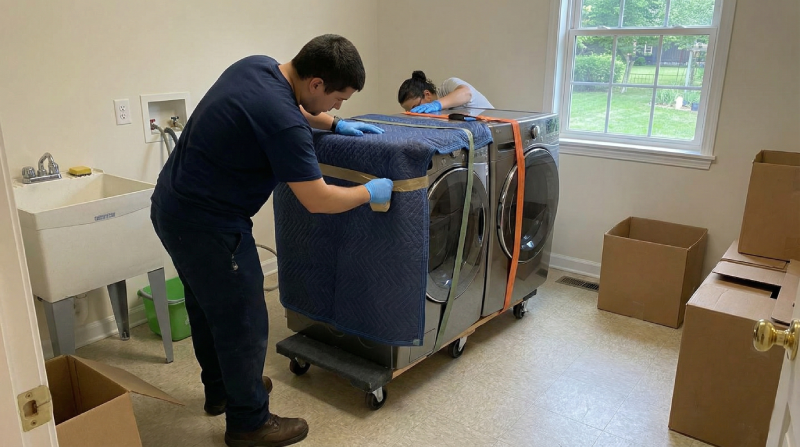
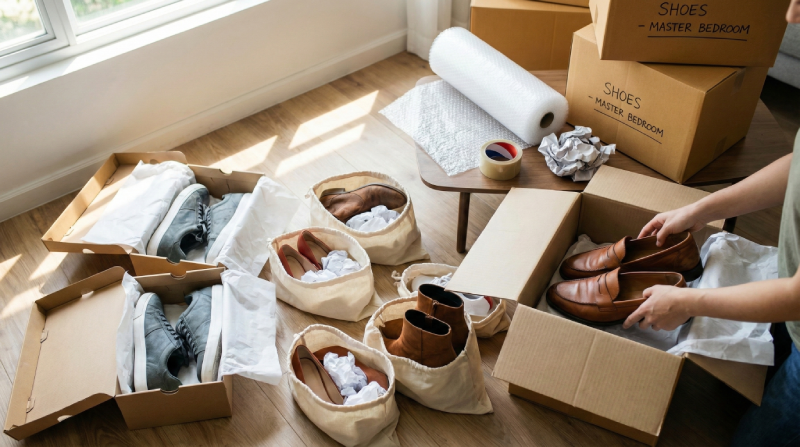
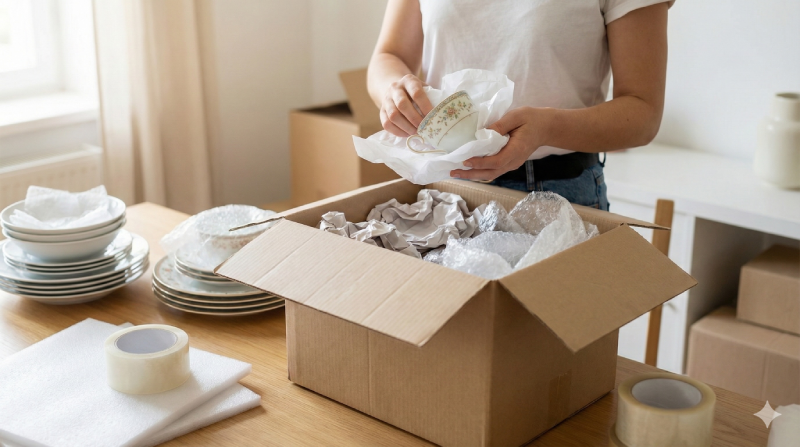
Electronics demand double protection with anti-static bubble wrap inside, then plastic sheeting outside. Transport computers, TVs, and stereos in your personal vehicle when possible, maintaining climate control. For items that must go in the truck, wrap them last and unload first. Never wrap electronics while they're warm. Let them reach room temperature first. Place electronics and important documents in waterproof bags or plastic bins before loading begins. Large appliances like refrigerators, washers, and dryers require similar weatherproofing strategies. Antiques and artwork follow similar protocols but may need specialized packing techniques for fragile items.
Protecting Your Move When It's Raining on Moving Day
Moving in the rain demands specific protection strategies for your belongings and property. Start by wrapping furniture in plastic sheeting or moving blankets, securing with tape or stretch wrap. Create a staging area under cover near your truck to reduce exposure time during the loading process.
Floor protection becomes critical during rainy moves. Lay tarps or old blankets at every entrance, creating designated wet zones where movers can wipe their feet before entering. Use towels to immediately dry any water tracked inside, preventing slips and floor damage. Consider purchasing disposable shoe covers for repeated trips, especially when moving in the rain and involving carpeted areas.
Safe loading techniques change when rain creates slippery conditions. The assembly line method reduces weather exposure by positioning helpers at strategic points between the home and the truck. Station one person inside organizing items, another at the doorway managing protection, and others creating a human chain to the truck. This system moves furniture quickly while maintaining quality control at each transition point. Move items quickly but deliberately, avoiding rushed movements that increase accident risk. Position your rental truck as close as possible to covered areas, backing into driveways when feasible. Have one person stay with the truck to arrange items while others focus on carrying, reducing time in wet conditions, and improving efficiency during loading.
Moving in Snow and Winter Weather Safety
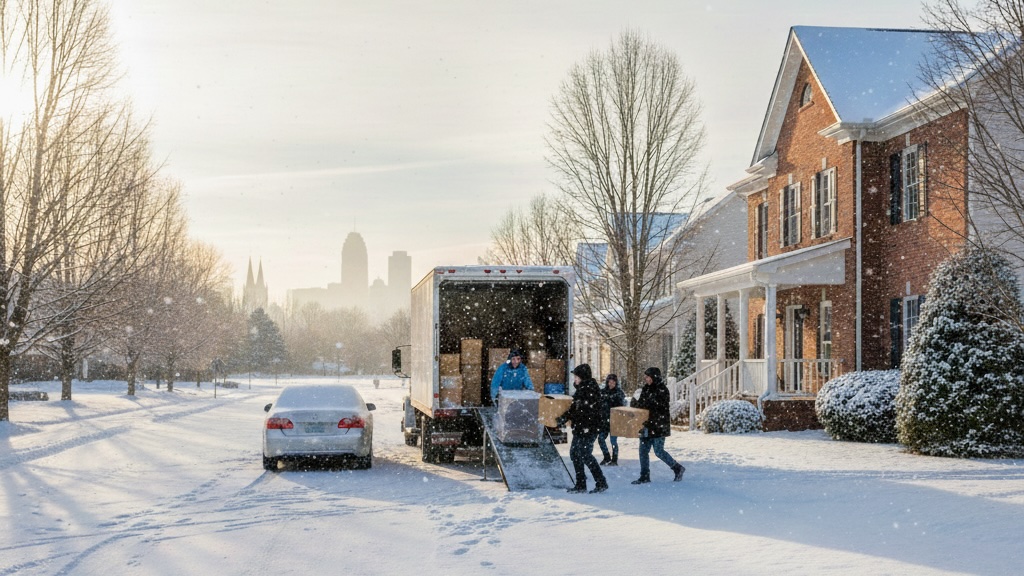
Snow and ice present unique challenges for winter moves in North Carolina and beyond. Clear all walkways before starting, applying ice melt or sand liberally on steps, driveways, and paths. This preparation takes time but prevents dangerous slips that could injure movers or damage belongings. Keep supplies ready for reapplication as foot traffic creates new slick spots throughout the day.
Vehicle preparation for moving in cold weather includes checking tire tread depth and pressure, as cold temperatures affect both. Keep your gas tank at least half full to prevent fuel line freezing, and test windshield wipers and fluid levels before departing. Pack emergency supplies, including blankets, water, snacks, a shovel, and kitty litter for traction if you get stuck.
Route planning becomes critical when moving in snow conditions. Choose main roads that receive priority plowing and salting, even if they add distance. Allow double your normal travel time and maintain significantly increased following distances. Avoid steep hills that become treacherous in icy conditions, particularly when driving a loaded rental truck with different handling characteristics than your regular vehicle.
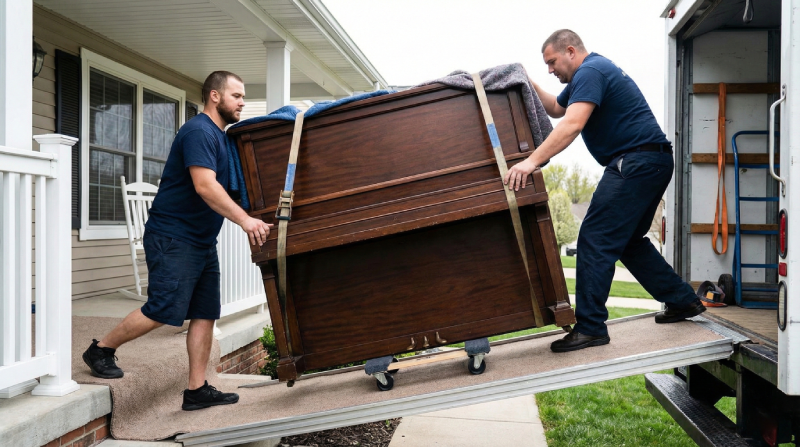
When using dollies and hand trucks on wet or icy surfaces, reduce loads by 25% to maintain control. Strap items securely and move slowly, testing brakes frequently. Professional movers know that wet conditions double the stopping distance needed for loaded equipment. Keep towels wrapped around the dolly handles for a better grip and wipe the wheels before entering homes to prevent floor damage.
Managing Extreme Heat During Summer Moves
North Carolina's humid summers create exhausting conditions for moving, with heat indices often exceeding 100°F. Start your move as early as possible, ideally beginning at sunrise to complete heavy lifting before peak afternoon heat. Take mandatory breaks every 30 minutes in shade or air conditioning, even if you feel capable of continuing. During extreme heat, enforce mandatory 15-minute breaks every hour in air-conditioned spaces.
Hydration strategies go beyond simply drinking water. Begin hydrating the day before your move, and continue drinking regularly rather than waiting until thirsty. Supplement water with electrolyte drinks to replace minerals lost through sweating, not just water. Avoid caffeine and alcohol, which increase dehydration risk. Provide cooling towels and have a cooler stocked with ice and cold drinks accessible throughout the moving process. Watch for confusion, excessive sweating, or complaints of nausea. All are heat exhaustion signs requiring immediate rest.
Heat-sensitive items require special attention during summer moves. Electronics, vinyl records, candles, and cosmetics can suffer damage from extreme temperatures. Transport these items in air-conditioned vehicles when possible, or pack them in coolers for short-term temperature protection. Never leave temperature-sensitive belongings in a hot truck during breaks, as interior temperatures can exceed 140°F within minutes.
Safe Loading and Truck Packing for Weather Protection
Strategic truck loading protects your belongings from weather damage while maintaining safe weight distribution during transport. The placement order matters. Heavy, waterproofed furniture along walls creates protective barriers for delicate items in the center, while vertical mattress stacking increases space efficiency. Here's how to organize your truck for better weather protection:
- Position waterproofed heavy furniture against walls first: Load wrapped sofas, dressers, and cabinets along truck perimeters to create protective barriers that shield electronics and delicate items from potential door leaks and external moisture.
- Keep electronics and upholstered furniture in the truck's center: Place these vulnerable items in the protected middle section, away from exterior walls and door openings where temperature fluctuations and moisture penetration are most likely to occur.
- Stack mattresses vertically along walls using moving straps: Secure mattresses in upright positions with proper strapping to increase floor space while maintaining stability during transport, preventing shifting that could damage other items.
- Reserve the last 10% of space near the door for immediate-access items: Keep wet-weather supplies, cleaning materials, and items requiring immediate unloading easily accessible without having to unpack the entire truck. Professional loading and unloading services can help with proper weight distribution and weather protection for safe transport.
General Safety and Home Protection Strategies
Moving during bad weather requires more than just wrapping furniture. Proper clothing and safety equipment protect both your belongings and the people doing the work. While most movers focus heavily on protecting items, inadequate personal gear leads to dropped furniture from wet gloves, injuries from slips on improper footwear, and exhaustion from temperature-related stress that slows the entire process. Here's what everyone involved in your weather-affected move needs:
- Waterproof work boots with non-slip soles and ankle support: Standard sneakers become dangerously slick when wet and lack the ankle stability needed when carrying heavy loads across uneven, slippery surfaces. Invest in proper boots that maintain traction.
- Layered moisture-wicking clothing with waterproof outer shells: Choose synthetic base layers that dry quickly rather than cotton that stays wet and cold, then add waterproof jackets or shells that allow temperature regulation as physical exertion increases throughout the day.
- Two pairs of waterproof work gloves per person: Wet gloves lose grip strength significantly, so rotate between pairs as one set becomes too saturated to maintain safe control of furniture and boxes.
- Accessible rain gear and high-visibility vests: Keep ponchos, extra towels, and reflective vests readily available for quick weather changes and low-visibility conditions during loading and unloading.
Moving Emergency Supply Kit
Your emergency supply kit should include first aid supplies with adhesive bandages for blisters and instant cold packs for strains, flashlights with extra batteries, portable phone chargers, emergency contact numbers, including urgent care locations, and basic tools. Include weather-specific items like hand warmers for cold conditions or cooling packs for heat. Keep this kit in your personal vehicle rather than the moving truck so you can access it throughout the day. Have cleaning supplies ready at both locations to address weather-related messes right away and prevent permanent damage to flooring or walls.
Professional moving companies follow strict safety protocols during weather events. Use their standards by never rushing and putting helper safety over schedule. In cold conditions, warm up indoors every 45 minutes and check extremities for numbness that could mean frostbite risk.
Arrival and Unpacking During Your Rainy Day Move
Start unpacking right away by removing plastic wrap from all items, even if you're exhausted. Moisture trapped under plastic creates mold within 48 hours, especially on upholstered furniture and mattresses. Position fans to circulate air around damp items and run dehumidifiers in closed rooms to speed up drying.
Inspect each piece carefully for water infiltration. Check cushion undersides, drawer interiors, and furniture joints where moisture hides. Take photos of any water damage before moving items to their final positions. Separate wet items into a drying area rather than placing them directly in living spaces.
If furniture shows water damage, act within six hours for the best recovery chances. Stand cushions on edge for air circulation, extract water from upholstery using wet vacuums, and apply baking soda to eliminate musty odors. Contact restoration professionals for valuable pieces showing extensive water damage. Their specialized equipment prevents permanent warping and mold growth. Insurance claims require documentation within 24 to 48 hours, so photograph everything and keep receipts for emergency supplies and professional services.
When Professional Movers Become the Smart Choice
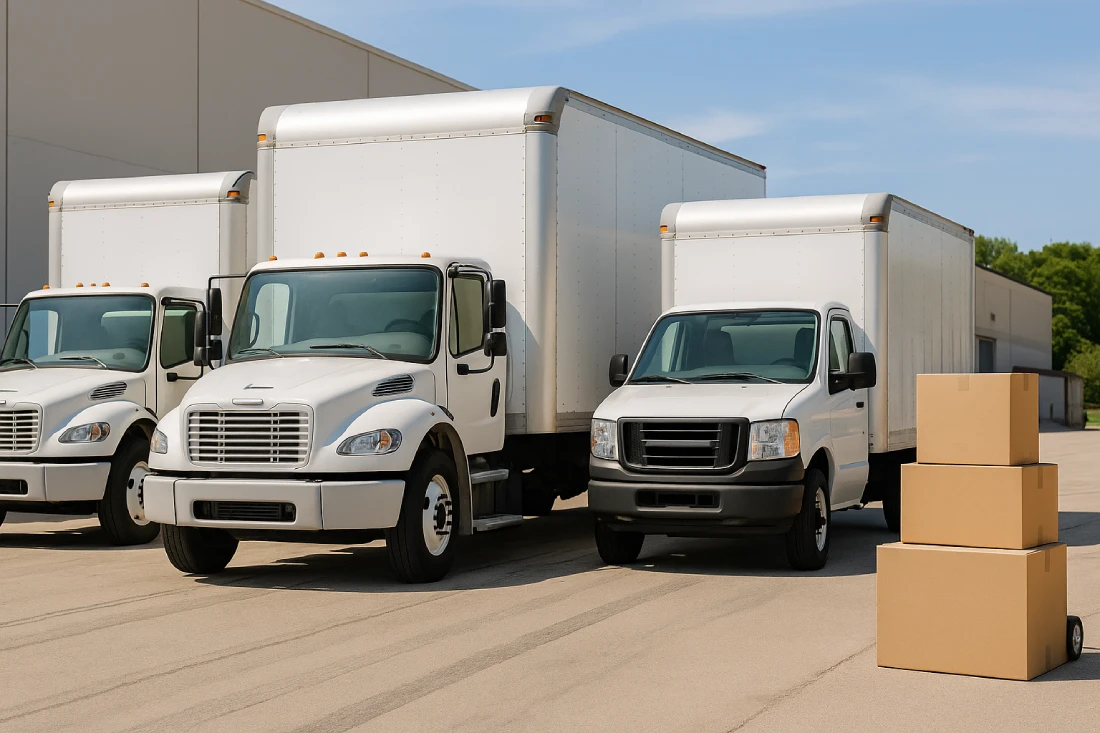
Professional movers bring experience handling adverse weather that DIY movers lack. They understand weight distribution for safe truck loading in wet conditions, use specialized equipment designed for weather protection, and employ techniques that reduce exposure time. Their efficiency becomes especially valuable when racing against incoming storms or working in uncomfortable temperatures. Labor-only moving services offer a cost-effective option where professionals handle the heavy lifting while you manage the truck rental.
While professional movers maintain consistent pricing regardless of conditions, weather can add unexpected expenses to DIY moves. Rental extensions due to weather delays, replacement costs for damaged items, and potential injury-related expenses can accumulate quickly. Understanding the full cost picture helps in making informed decisions about whether to hire professionals.
Local movers familiar with Charlotte and Raleigh bring valuable knowledge of area-specific challenges. They understand which routes are prone to flooding, how local weather patterns typically develop, and have established procedures for various scenarios. This experience can help avoid common pitfalls that out-of-town or inexperienced movers might encounter.
Insurance Coverage and Liability During Weather-Related Moves
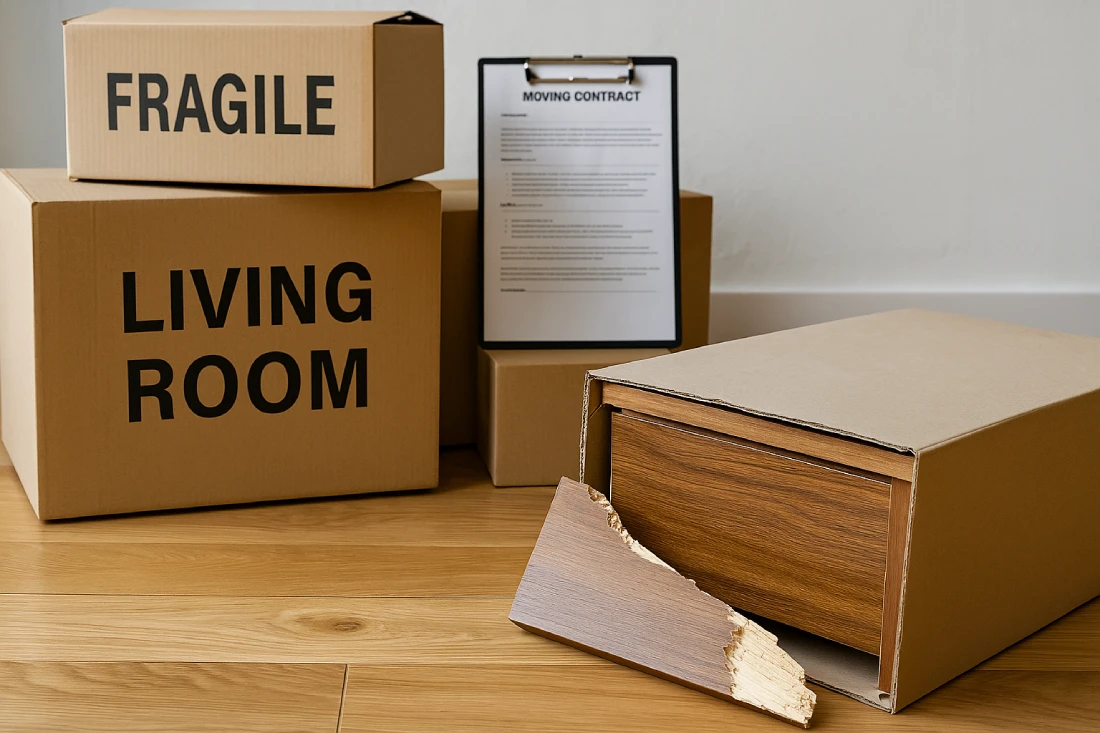
Understanding insurance coverage before moving during bad weather prevents costly surprises. Most homeowner's and renter's insurance policies cover belongings during moves, but weather damage may require specific documentation. Review your policy's moving coverage, noting deductibles and exclusions for weather-related damage. Some policies exclude damage from flooding or require additional riders for full protection.
Document everything when the weather threatens your move. Take timestamped photos of belongings before packing, showing their condition clearly. Photograph weather conditions during loading and unloading, capturing any adverse circumstances. Keep receipts for weather-protection materials and any professional services hired due to conditions. This documentation supports insurance claims if weather causes damage despite precautions.
Your Action Plan for Moving During Bad Weather in Charlotte and Raleigh
Weather challenges demand three priorities: early preparation, continuous monitoring, and safety over schedule. Start planning a week ahead, maintain realistic timelines with 50% buffer time, and protect vulnerable items like upholstery and electronics with double-layered waterproofing. When conditions become hazardous (such as heavy rain, ice, or extreme temperatures), consider hiring professional movers who have experience working in difficult weather and can help protect your belongings.
Frequently Asked Questions
Do movers work in the rain?
Yes, professional movers work in light to moderate rain, but reschedule for severe weather like lightning or ice storms.
Can moving trucks handle snow and ice?
Most rental trucks lack four-wheel drive and handle poorly in winter conditions. Only attempt moves on treated roads with minimal accumulation.
Should I tip movers more for working in bad weather?
Consider increasing tips by 20 to 30% when movers work through challenging weather conditions.
What temperature is too hot for moving?
When heat indices exceed 95°F, schedule extra breaks and consider postponing if temperatures reach 105°F or higher.
Will Moving Muscle reschedule if the weather becomes dangerous?
Yes, we put safety first and will work with customers to reschedule when weather conditions pose genuine risks.
Can I get a refund if I need to reschedule due to the weather?
Most companies offer free rescheduling for severe weather, though policies vary and typically require a 24-hour notice.




























.webp)