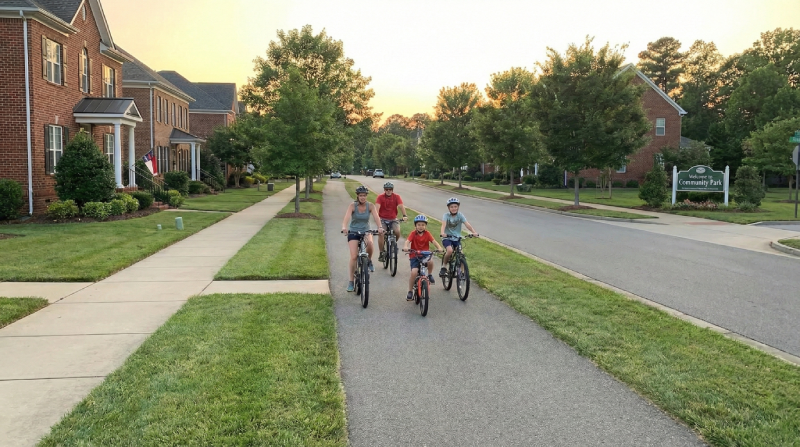
If you're looking at cities near Charlotte, NC, you'll find options across 16 counties in North Carolina and South Carolina. Suburbs like Huntersville, Matthews, Concord, and Fort Mill have big differences in housing costs, commute times, and what they feel like to live in. This guide covers each community's pricing, school quality, and lifestyle to help you pick where to live based on your budget and what matters to you.
Charlotte Metro Area Geography: Understanding Counties and Highway Access
Charlotte's geography creates different suburban rings based on highway access and county lines. Each zone has different tax structures, school systems, and commute realities. Mecklenburg County's inner suburbs sit just 10-15 miles from Uptown, while outer communities in Gaston, Cabarrus, Union, and York counties stretch 30-40 miles out. You get lower costs and more space, but give up proximity. When you understand these geographic divisions, you can predict drive times, property taxes, school quality, and lifestyle differences that change a lot across county lines. Here's how Charlotte's metro layout affects your suburban options:
- Highway corridors shape commute patterns: I-77 runs north-south through Lake Norman communities and into South Carolina. I-85 connects northeast suburbs like Concord and Kannapolis. I-485's outer loop links western towns like Gastonia and Belmont to southeastern communities like Matthews and Mint Hill.
- County boundaries determine taxes and schools: Mecklenburg County includes Charlotte proper plus Cornelius, Davidson, Huntersville, Matthews, Mint Hill, and Pineville. Gaston County (west), Cabarrus County (northeast), Union County (southeast), and York County, SC (south) each have separate tax rates and school districts that make a big difference in your annual housing costs.
- Distance creates trade-offs between cost and convenience: Inner suburbs within 10-15 miles offer shorter commutes but cost more. Outer communities 30-40 miles from Uptown provide 20-40% lower housing costs but mean longer drives.
- Rush hour traffic doubles stated drive times: Plan for 7-9 AM and 4-6 PM congestion on I-77 and I-85. A 20-minute off-peak commute can turn into 40+ minutes during weekday peaks. Test your actual work-hour drive before committing to a suburb.
Top Charlotte Suburbs: Comparing Housing Prices and Commute Times
Charlotte's suburban housing market creates clear price tiers based on geography and amenities. Costs can vary by as much as $300,000 between communities just 20 miles apart. The pattern shows how proximity, school ratings, and lifestyle amenities drive pricing. Lake Norman's waterfront access and Fort Mill's tax advantages cost more, while outer-ring towns trade convenience for affordability. Here's how pricing breaks down across the metro's major suburban zones:
- North Charlotte and Lake Norman communities ($550,000-600,000+): Huntersville ($551,000 median) and Davidson ($600,000+) offer direct water access, top-rated schools, and 20-25 minute commutes. Premium pricing reflects the lakefront lifestyle and limited inventory.
- East and southeast suburbs ($396,000-610,000): Living in Concord, NC, is the most affordable option at $396,000 with a 30-minute drive. Matthews ($592,000) and Mint Hill ($610,000) cost more but have stronger school districts and shorter commutes.
- West Charlotte suburbs ($396,000-450,000): Gastonia matches Concord at $396,000 median price with a similar 25-minute commute. Belmont and Mount Holly offer small-town character and Catawba River access at similar price points.
- South Carolina suburbs ($310,000-470,000): Fort Mill ($470,000) attracts families with award-winning schools and annual property tax savings of $1,500-2,500. Rock Hill ($310,000) has the region's lowest entry point. Tega Cay provides lakefront resort amenities for buyers who want recreation.
Charlotte Suburbs Housing Costs: Comparing Property Prices and Rental Rates
Charlotte's suburban housing market splits into clear price tiers that reflect more than just square footage. Proximity to Uptown, school district strength, and state tax structures create cost differences of $200,000-300,000 between neighborhoods just 15-20 miles apart. South Carolina suburbs offer property tax savings of $1,500-2,500 annually compared to North Carolina equivalents. Communities along I-485's outer loop often give you more predictable commutes by avoiding downtown bottlenecks on I-77 and I-85 during peak hours. Here's how pricing breaks down across the metro's housing and rental markets:
- Inner suburbs cost more for proximity: Matthews and Huntersville homes average $550,000-610,000. One-bedroom apartments rent for $1,400-1,800 monthly. You get 20-25 minute commutes and top-rated school districts.
- Outer communities trade distance for affordability: Gastonia, Rock Hill, and Concord offer housing 20-40% below inner-ring prices ($310,000-400,000 medians). One-bedroom apartments run $900-1,200 monthly. This works for buyers who accept 30-40 minute drives.
- South Carolina suburbs provide tax advantages: Fort Mill and Rock Hill homeowners save $1,500-2,500 annually on property taxes compared to similar North Carolina suburbs. South Carolina's higher vehicle taxes do partially offset these savings.
- Rush hour congestion doubles stated commute times: Plan for 7-9 AM and 4-6 PM traffic on I-77 and I-85. A 20-minute off-peak drive can stretch to 40+ minutes. This makes I-485 corridor communities attractive for avoiding downtown gridlock.
Where to Live Near Charlotte, NC: Best Suburbs by Life Stage and Budget
Your life stage shapes which suburb works best. Young professionals look for nightlife and short commutes. Families care about school quality and safety. Retirees want healthcare access and lower costs. First-time buyers balance affordability against commute tolerance.
Best Charlotte Suburbs for Young Professionals
Huntersville and Cornelius draw young professionals with Lake Norman's boating culture and breweries around Birkdale Village. Fort Mill has become popular for under-35 workers commuting to Ballantyne. The 15-minute reverse commute beats I-77 traffic, and South Carolina's lower property taxes mean more money for dining and weekend trips. Belmont changed from sleepy mill town to brewery hub, with walkable downtown energy and rent 20-30% below South End apartments.
Best Charlotte Suburbs for Families with Children and Top School Districts
Matthews and Mint Hill rank among North Carolina's top school districts, with 15:1 student-teacher ratios. Their high schools send graduates to UNC-Chapel Hill and NC State at above-average rates. Fort Mill's award-winning STEM programs and athletics facilities justify the $470,000 median home price for parents who care about education. Tega Cay includes community pools, tennis courts, and organized youth activities in HOA fees ($100-150 monthly). Premium lakefront pricing does limit access for middle-income families.
Best Charlotte Suburbs for Retirees and Downsizing
Mount Holly and Belmont attract retirees who want a small-town pace with access to Charlotte's medical centers. You can grab lunch at a local diner, then drive 25 minutes to Atrium Health or the Bechtler Museum. Rock Hill offers the best value for fixed incomes at 40% below Charlotte averages, plus Winthrop University provides free senior audit programs and continuing education. Waxhaw's antique district appeals to retirees who want to retire in North Carolina, with South Carolina property tax savings of $1,500-2,500 annually.
Most Affordable Charlotte Suburbs for First-Time Home Buyers
Gastonia, Kannapolis, and Monroe let first-time buyers enter homeownership at $300,000-400,000 price points, with 30-40 minute commutes that work for hybrid workers driving in twice weekly. Rock Hill has the region's lowest median ($310,000) while still offering city amenities like restaurants and entertainment. Lowell and Bessemer City sit at the metro's outer edge, where $250,000 still buys a three-bedroom house with a yard. These work best for remote workers or buyers who accept 45-minute drives and fewer local amenities.
Moving to Charlotte, NC Suburbs: Local Moving Costs and Planning Guide
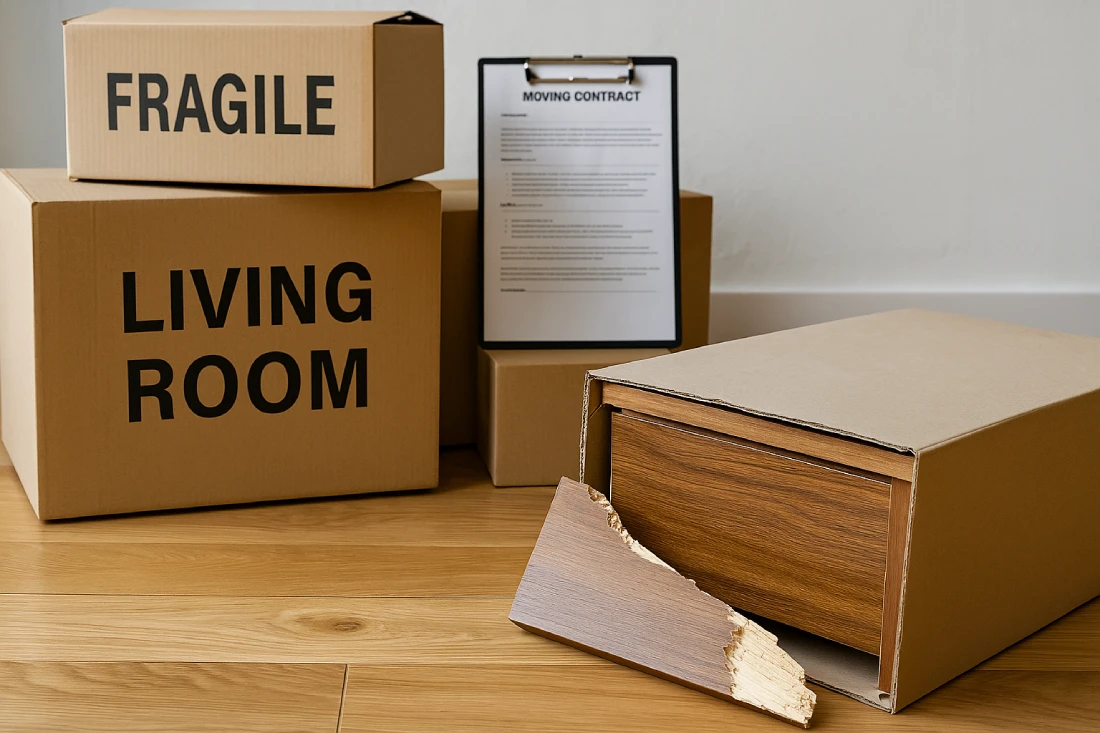
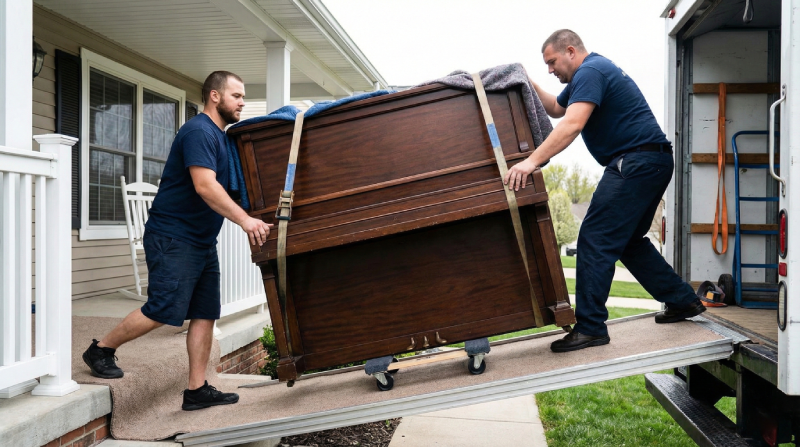
Local moves within the Charlotte metro area typically range from $400 to $1,200. Costs scale based on home size and whether you're combining DIY truck rental with professional labor or booking full-service movers. Most households save 40-50% by renting their own truck and hiring movers in Charlotte, NC for just the heavy lifting. This hybrid approach balances cost control with physical relief. Here's what to expect when planning your Charlotte-area move:
- Standard pricing by home size: Two-bedroom apartments typically cost $400-600, while four-bedroom houses run $1,000-1,200 when combining truck rental with 2-4 hours of professional loading and unloading labor. Learn more about how much it costs to hire movers.
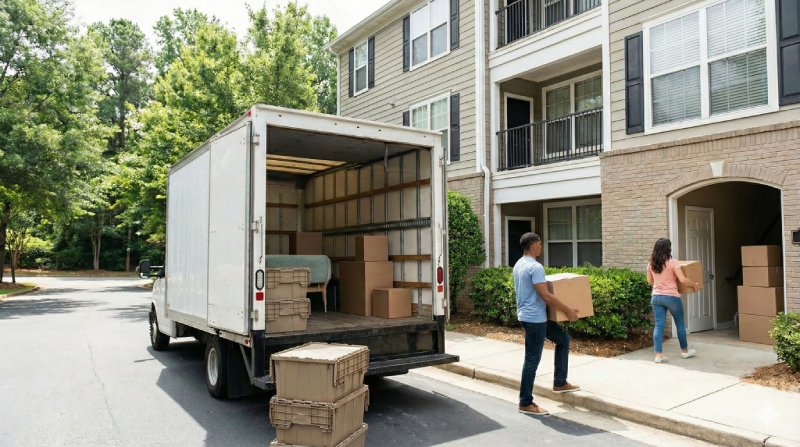
- Truck selection matters: Learn how to pick the right moving truck to save costs. Rent a 16-foot truck from U-Haul, Penske, or Budget for two-bedroom moves, or upgrade to 20-26 foot trucks for larger homes.
- Timing and scheduling considerations: Book professional help at least two weeks ahead during peak summer season (May-September), and avoid moving during weekday rush hours (7-9 AM and 4-6 PM) when I-77, I-85, and I-485 have heavy congestion.
- Administrative tasks: Time utility transfers to prevent service gaps, and update your driver's license within 60 days if crossing the NC-SC state line to comply with local regulations.
Choosing the Right Charlotte Suburb: Final Considerations for Your Move
Charlotte's suburbs span a wide spectrum, from Lake Norman's waterfront premium to Rock Hill's budget-friendly value. Your ideal suburb depends on balancing three factors: commute tolerance, school quality needs, and housing budget. South Carolina suburbs like Fort Mill offer tax savings and strong schools, while North Carolina options like Matthews offer proximity at higher costs. Visit your top choices during rush hour and talk to neighbors before deciding. Explore Moving Muscle's labor-only services to simplify your transition.
Frequently Asked Questions About Charlotte Area Suburbs and Moving
Which nearby cities have the shortest commute to Charlotte?
Matthews, Mint Hill, and Huntersville offer 20-25 minute commutes during off-peak hours. Rush hour doubles these times.
What's the best way to move locally in the Charlotte area?
Rent a truck and hire professional movers for 2-4 hours of loading/unloading. This hybrid approach saves 40-50% versus full-service moving.
How far should I live from Charlotte to save money on housing?
Living 20-30 miles out reduces housing costs by 20-40%. Gastonia, Rock Hill, and Concord offer the best value-to-commute ratio.
How do I choose between NC and SC suburbs?
South Carolina offers lower property taxes ($1,500-2,500 annual savings) but higher vehicle taxes. North Carolina has a state income tax but different retirement income treatment.








.webp)