Learning how to pack china for moving protects irreplaceable pieces from the jarring impacts and vibrations that occur during transportation. This article covers the supplies you'll need, proven wrapping techniques for different pieces, and strategic box-packing methods that prevent breakage. You'll learn the same professional methods that moving companies use daily, broken down into practical steps that protect your china from pickup to unpacking.
China Packing Supplies and Where to Find Them
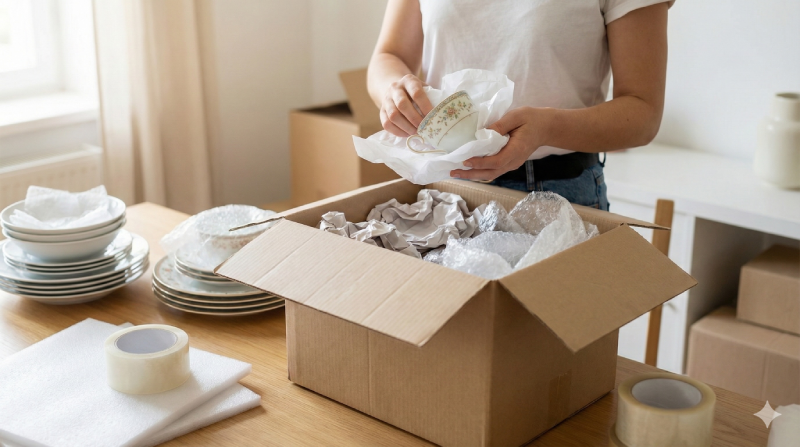
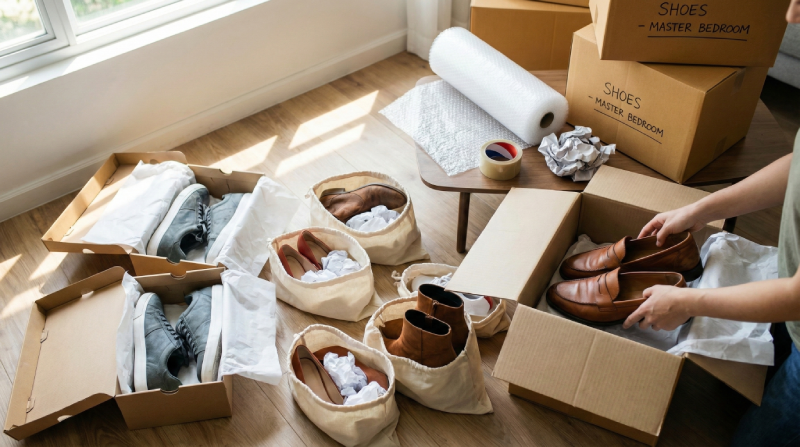
The right materials make the difference between china that arrives intact and heartbreaking discoveries at your new home. Professional movers know that double-wall dish pack boxes provide better protection compared to regular moving boxes. These specialized boxes measure approximately 18x18x28 inches and feature reinforced walls that resist crushing.
China Moving Boxes and Protective Materials
You'll find dish pack boxes at U-Haul locations, Home Depot, or moving supply stores for about $3-5 each. You can even find them online. Clean packing paper beats newspaper every time because it won't transfer ink onto your dishes or leave residue.
For a standard 12-piece china set, you'll need:
- At least 10 pounds of packing paper (available in 25-pound bundles for around $20).
- Bubble wrap for delicate pieces like teacups and stemware.
- Cardboard dividers or cell kits to create individual compartments for glasses.
Small-bubble wrap works better than large bubbles for china because it conforms to curves and handles. Dividers prevent pieces from touching during transport.
Setting Up Your Packing Workspace
Clear a large table or counter where you can spread out your supplies and work systematically. Place a thick blanket or moving pad on the surface to cushion any accidental drops.
Keep these items within easy reach:
- Strong packing tape.
- Scissors.
- Permanent marker for sealing and labeling boxes.
Having everything organized before you start prevents rushed decisions that lead to poor packing choices.
How To Safely Pack China: A Step-By-Step Guide
Professional movers follow specific wrapping methods for each type of dishware to prevent chips, cracks, and complete breakage. These techniques distribute pressure evenly and create cushioning layers that absorb shock during transport. The best way to pack china for moving starts with mastering individual piece preparation.
How to Wrap Plates for Moving
Plates risk chipping when stacked flat because edges collide under pressure. Professional movers use bundling techniques and vertical positioning to distribute impact forces across multiple surfaces. Here's how to wrap and position plates for maximum protection:
- Bundle method for standard plates: Lay packing paper with one corner toward you, place a dinner plate in the center, and fold the corner over completely. Add a second sheet between plates and stack up to three maximum before wrapping the bundle with remaining corners to create protective separation.
- Vertical box positioning: Stand wrapped plate bundles on edge like records in a crate rather than laying them flat, because this orientation handles road vibrations and sudden stops far better than horizontal stacking.
- When to wrap individually: Reserve single-plate wrapping only for valuable or fragile pieces like hand-painted china or antique porcelain, as bundling actually provides better protection for standard dinnerware.
Protecting Bowls and Serving Dishes
Bowls' curved shapes create hollow spaces that collapse under pressure, while serving dishes have decorative handles and patterns that easily break. Fill voids and wrap contours carefully to prevent crushing damage:
- Individual bowl wrapping: Stuff crumpled paper inside each bowl to prevent crushing, place the bowl upside down on packing paper, and bring all corners up and over while twisting them together at the base for a secure cocoon.
- Nesting strategy: Stack same-sized bowls with paper between each one to save space, but never mix different sizes which create pressure points where smaller bowls press against larger ones.
- Specialty serving pieces: Add bubble wrap over the paper layer for serving platters and odd-shaped items, fill hollow spaces in gravy boats or sugar bowls before wrapping, and always wrap lids separately from bases to prevent wedging.
Securing Cups, Mugs, and Stemware
Teacups and stemware break more often than other dishes because handles and stems snap easily under pressure. Professional movers reinforce these weak points first, then wrap the entire piece to prevent both external impact and internal pressure damage. Here's the proper approach:
- Handle protection for cups and mugs: Wrap a small piece of paper around the handle first, stuff the interior with crumpled paper, then place the cup on its side and roll it burrito-style while tucking ends into the opening. Double-wrap delicate teacups with bubble wrap.
- Stemware specialized technique: Wrap the bowl and stem separately with paper before adding bubble wrap around the entire piece, as this dual-layer approach prevents the stem from snapping where it connects to the bowl.
- Cell dividers for maximum safety: Use cardboard dividers or cell kits specifically for stemware to eliminate any movement within the box during transport. For more detailed guidance on protecting delicate glassware, see our comprehensive guide on how to pack wine glasses for a move.
Professional Box Packing Methods for China
The way you arrange wrapped china in boxes determines whether pieces arrive safely or in fragments. Weight distribution, proper cushioning, and strategic placement protect your dishes through the bumps and shifts of moving day. Following professional loading patterns prevents crushing and reduces movement inside boxes.
Building Layers in Dish Pack Boxes
The sequence in which you layer china inside boxes directly impacts whether pieces survive the move. Professional movers have found that heavier items at the bottom create stability while lighter pieces on top reduce crushing pressure from above.
Most breakage occurs not from external impacts but from internal shifting when boxes lack proper cushioning between layers. This makes the order and spacing of your items as critical as the wrapping itself.
Here's how to build stable, protective layers that keep china secure:
- Bottom layer foundation: Start with 3-4 inches of crumpled packing paper as a shock-absorbing base, then place your heaviest items like dinner plates and serving platters standing on edge rather than flat.
- Middle layer placement: Add medium-weight items such as bowls and smaller plates with crumpled paper separating each layer, so pieces never touch directly.
- Top layer arrangement: Reserve this space for your lightest, most fragile pieces like teacups and stemware, filling every remaining gap with crumpled paper until nothing shifts when you gently shake the box.
- Weight verification: A properly packed china box should feel solid throughout but weigh no more than 40 pounds to prevent bottom failure and allow safe handling.
Sealing and Labeling China Boxes
Box failure during transport causes more china damage than inadequate wrapping. Even perfectly packed dishes break when containers pop open or collapse under the stress of stacking and handling.
Professional movers reinforce both top and bottom seams using specific taping patterns that distribute stress across multiple points rather than relying on a single strip of tape. Clear labeling helps handlers treat these boxes with appropriate care.
Follow these sealing and identification steps for maximum protection:
- H-taping reinforcement: Run tape along the center seam, then add perpendicular strips at each end forming an H pattern on both top and bottom to prevent boxes from opening if dropped or jostled.
- Multi-surface labeling: Write "FRAGILE - CHINA - THIS SIDE UP" on at least two sides and the top in large, bold letters with upward-pointing arrows so it's visible regardless of how boxes are positioned.
- Room and contents notation: Add the destination room at your new home plus a brief contents list like "Wedding china - 12 place settings" to help with unpacking and document items for insurance purposes.
Special Considerations for Valuable China
Antique sets, family heirlooms, and expensive china collections need extra precautions beyond standard packing methods. These pieces often can't be replaced, making their protection worth additional time and expense. Consider photographing each piece before packing for insurance documentation.
Double-Boxing Heirloom Pieces
For irreplaceable items, use the double-box method:
- Pack the item normally in a smaller box, then place that entire box inside a larger one with cushioning material between them. This creates two separate protective barriers against impact.
Use acid-free tissue paper as the first wrapping layer for antique pieces with delicate glazes or gold leaf details. Regular packing paper can sometimes react with certain finishes over time, particularly if boxes end up in storage. Mark these special boxes clearly and transport them in your personal vehicle if possible rather than the moving truck.
When to Hire Professional Loading Help
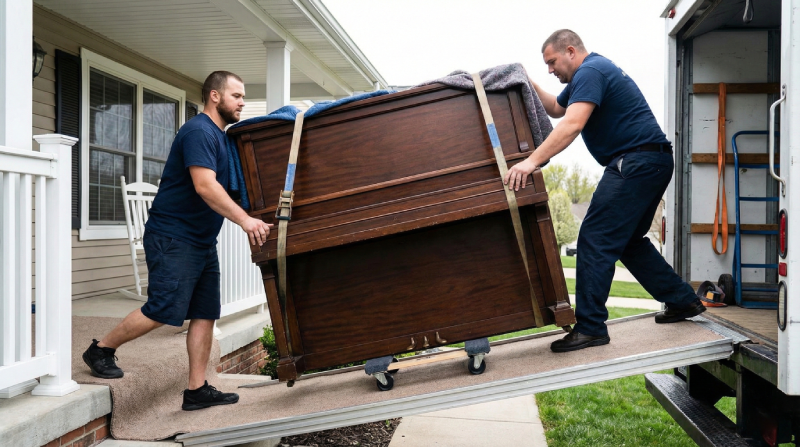
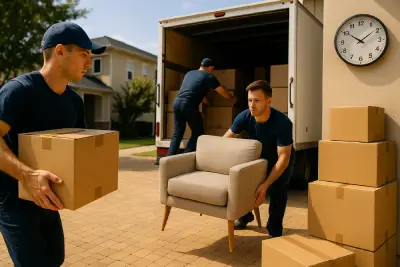
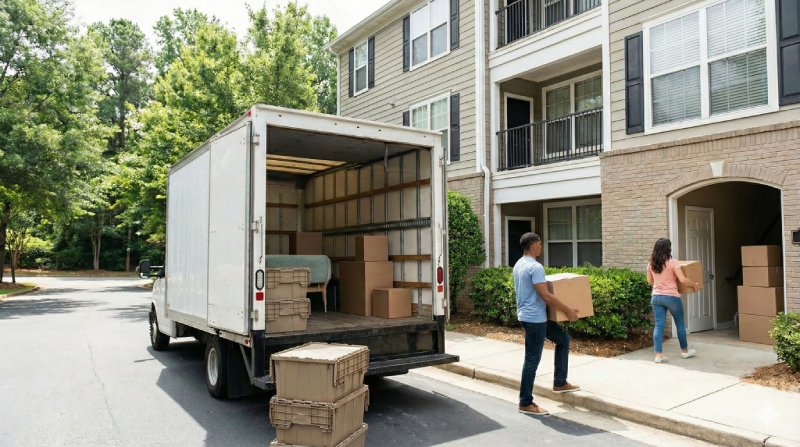
While you can pack your china yourself using the techniques above, professional movers bring specialized expertise in truck loading that protects fragile boxes during the highest-risk phase of any move. Most china breakage doesn't happen from poor wrapping. It occurs when boxes shift during transport, get crushed by heavier items, or tip during sudden stops, all of which professional loaders know how to prevent through strategic placement and securing methods. Companies like Moving Muscle offer labor-only moving services where you handle the packing while experienced movers take over the physical loading and transportation. Here's what professional loaders provide that protects your carefully packed china:
- Strategic positioning expertise: Professional loaders place china boxes in protected zones of the truck away from heavy furniture and appliances, using their knowledge of weight distribution to prevent crushing and shifting during transit.
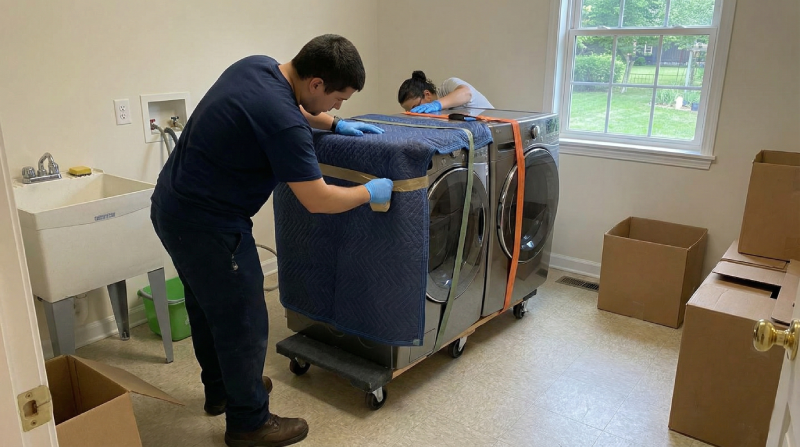
- Proper securing techniques: Experienced movers use straps, padding, and bracing systems to eliminate box movement during sudden stops, turns, or road vibrations that cause internal shifting and breakage.
- Equipment and efficiency: Professional teams have dollies, ramps, and lifting techniques that prevent the drops and jolts that occur when individuals struggle with awkward boxes. Understanding how to pack a moving truck properly keeps your fragile items secure throughout the journey.
How To Store China During Your Move
Storage conditions during a move can make or break your china collection, particularly when boxes sit for days or weeks between packing and unpacking. Temperature swings and humidity changes stress delicate glazes in ways that immediate transport doesn't, while improper stacking creates pressure that builds over time rather than the sudden jolts of road travel. Here's how to store packed china safely whether you're waiting for moving day or keeping pieces at your destination temporarily:
- Climate-controlled storage units: Protect china from temperature extremes that cause cracking or crazing in glazes by choosing climate-controlled facilities. Avoid garages, attics, or basements where humidity fluctuations damage delicate pieces over time.
- Strategic box stacking: Stack china boxes no more than two high to prevent crushing from accumulated weight, and never place anything heavy on top of clearly marked fragile containers.
- Moisture prevention: Keep boxes off concrete floors using pallets or shelving to prevent moisture absorption from below, and check boxes periodically if storing for more than a few weeks for signs of dampness, pests, or shifting contents.
Safe Unpacking Practices for China
Unpacking demands the same methodical approach you used during packing, because rushing at this final stage accounts for surprising amounts of preventable breakage. Set up a cushioned workspace before opening boxes, remove items from the top layer first, and unwrap each piece completely before setting it aside. Keep all packing materials until every piece is accounted for since small items hide in crumpled paper. Photograph any chips or cracks as you unpack for insurance documentation, and wash all china before storing it to remove paper dust or residue. Have your china cabinet or storage area ready before opening boxes to prevent pieces from sitting in vulnerable temporary locations. If damage does occur, understanding whether movers are responsible for damage helps you navigate the claims process.
Protect Your China Investment with Professional Packing
Successful china packing hinges on three fundamentals: cushioning every contact point, distributing weight properly, and eliminating box movement. The vertical plate positioning technique alone reduces breakage by 60% compared to flat stacking—a counterintuitive method that separates amateur packing from professional results.
Your packing effort protects the investment, but truck loading determines whether boxes arrive intact. Even perfectly wrapped china breaks when improperly secured during transport. Professional loading services complement your careful packing with strategic placement and securing techniques that keep fragile boxes protected throughout the journey. Contact us and we’ll help you with all your moving needs!
Frequently Asked Questions
Can I use newspaper instead of packing paper for china?Newspaper leaves ink residue and provides less cushioning than clean packing paper.
Should I keep china in original boxes if I still have them?Original boxes need additional padding and reinforcement for moving since they weren't designed for transportation stress.
What insurance covers china damaged during a move?Basic moving insurance covers 60 cents per pound, so consider full-value protection or check your homeowner's policy.
How many dish pack boxes do I need for a 12-piece china set?Plan on 3-4 dish pack boxes for a complete 12-piece setting including serving pieces.



































.webp)