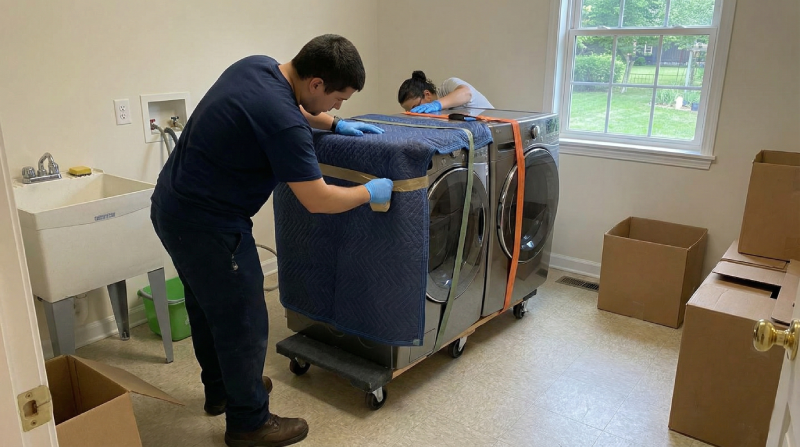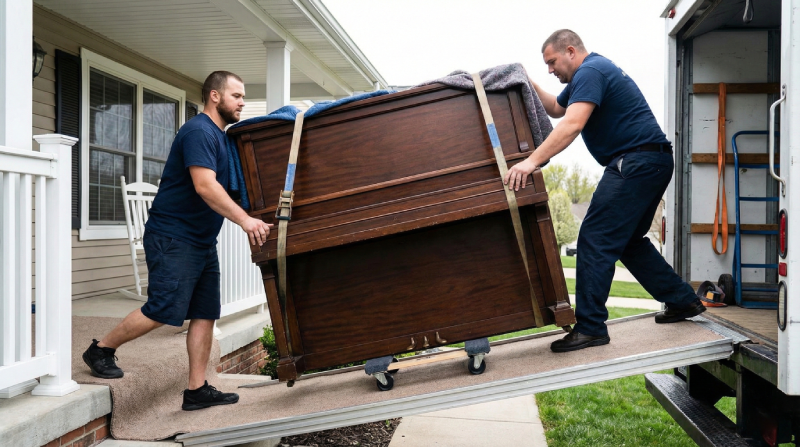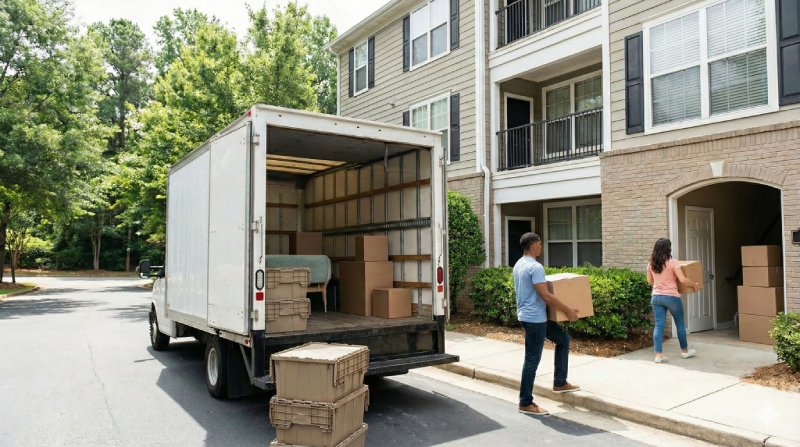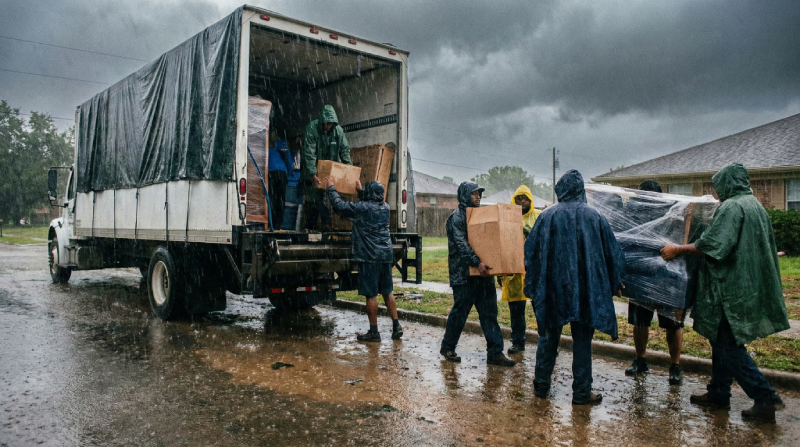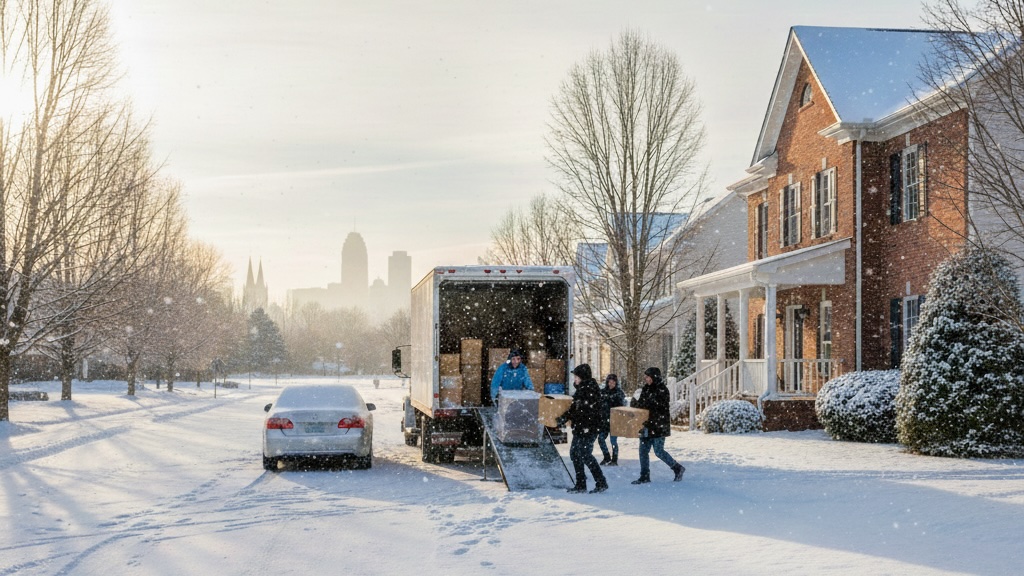
Moving in winter has real advantages: lower costs, better availability with moving companies, and flexible scheduling during the off-peak season from November through March. But it also brings challenges like unpredictable weather, safety risks, and specialized preparation needs. This guide covers safety protocols, cold-weather packing techniques, route planning strategies, and how to decide between professional movers and DIY options for a successful winter relocation.
Should You Move in the Winter? Pros and Cons
Moving in the winter has both advantages and challenges. Understanding both sides helps you decide whether a winter relocation fits your situation. Winter moving works well if you're looking to reduce costs, need flexibility with your schedule, and can adjust plans if the weather becomes an issue. Skip winter moves if you're traveling long distances through mountainous areas, have physical limitations that make icy conditions especially risky, or work in fields where weather delays could jeopardize your job or school enrollment. You can also consider hiring movers to help you load and unload to expedite moving times and prevent injury risks from carrying heavy items in wet conditions.
Pros of Moving in Winter
- Lower costs: Moving companies typically charge 10% to 30% less during winter months compared to summer rates.
- Better availability: Lower demand means better negotiating power and availability for your preferred dates.
- Flexible scheduling: You can often book services with just a few days' notice rather than the weeks required during summer.
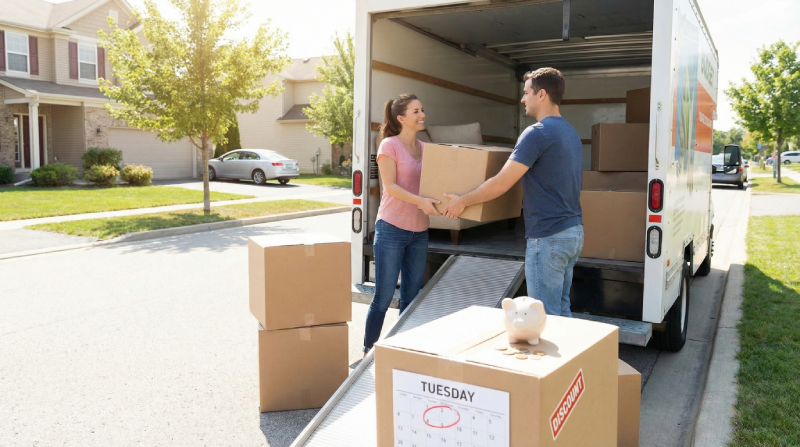
- Rental discounts: Truck rental companies like U-Haul and Budget often offer winter discounts, with rates averaging $140 for local moves compared to peak summer prices exceeding $250.
- More housing options: Apartments and homes are more available for winter move-ins, with landlords often offering move-in specials or reduced deposits.
Cons of Moving in Winter
- Unpredictable weather: Storms and severe conditions can force last-minute schedule changes and delays.
- Safety hazards: Ice and snow create slip hazards that turn routine tasks into dangerous situations.
- Shorter daylight hours: Starting early helps you make the most of safe working conditions.
- Physical challenges: Cold temperatures decrease physical stamina, making heavy lifting more exhausting.
- Treacherous roads: Winter conditions make driving more dangerous, especially for long-distance moves.
- Equipment complications: Dollies and hand trucks work differently on wet or icy surfaces, requiring extra caution.
Moving Day Checklist for Winter
A detailed checklist keeps your winter move organized, despite weather challenges. Breaking tasks into time blocks helps you stay on schedule while allowing flexibility for weather-related delays. If this is your first time moving, check out this guide on the things to keep in mind when relocating for the first time.
Early Start and Daylight Planning
Wake up 30 minutes earlier than planned to check weather conditions and road reports. Have movers arrive as early as possible, ideally by 8 AM, to take advantage of maximum daylight.
Start loading by 7 AM and plan to complete unloading before 4 PM when possible. Load large furniture and heavy items first while everyone has maximum energy.
- Save lighter boxes for later when fatigue sets in.
- Complete outdoor tasks before the afternoon temperature drop makes conditions more dangerous.
Dressing for the Cold
Dress in moisture-wicking base layers, insulating middle layers, and waterproof outer shells. Avoid cotton clothing that loses insulation when wet.
- Wear insulated, waterproof boots with good traction, not athletic shoes that offer little protection.
- Keep several pairs of work gloves available, switching to dry ones as needed.
- Use thin liner gloves under heavier work gloves for tasks requiring dexterity.
- Have chemical hand warmers ready for breaks between loading sessions.
Keeping Essentials Handy
Pack an easily accessible box with winter supplies, including extra gloves, hand warmers, hot beverage supplies, and energy snacks. Include basic medications, phone chargers, and important documents.
Keep a separate box of items you'll need for your new home's first night. Keep cleaning supplies handy for quick floor cleanup throughout the day.
- Include bedding, toiletries, medications, and a change of warm clothes.
- Add flashlights and batteries in case utility connections are delayed.
Designating a Warm-Up Room
Choose one room in both homes as a warming station where people can take breaks. Set up a space heater if central heating isn't available.
Stock this room with hot drinks, snacks, and seating for rest breaks every hour. Keep children and pets in this designated warm room away from moving traffic.
- This prevents accidents and keeps vulnerable family members comfortable.
- Rotate helpers through warming breaks to maintain energy and prevent cold-related injuries.
Packing and Protecting Your Belongings in Cold Weather
Cold temperatures affect belongings differently than moderate weather. Materials become brittle, liquids freeze, and condensation forms when items move between temperature extremes.
Proper packing techniques for moving during the winter prevent damage and reduce replacement costs. Understanding how cold impacts different materials helps you protect your possessions. For comprehensive packing strategies beyond winter-specific considerations, check out our complete guide to moving hacks and packing tips.
Double-Wrapping Fragile Items
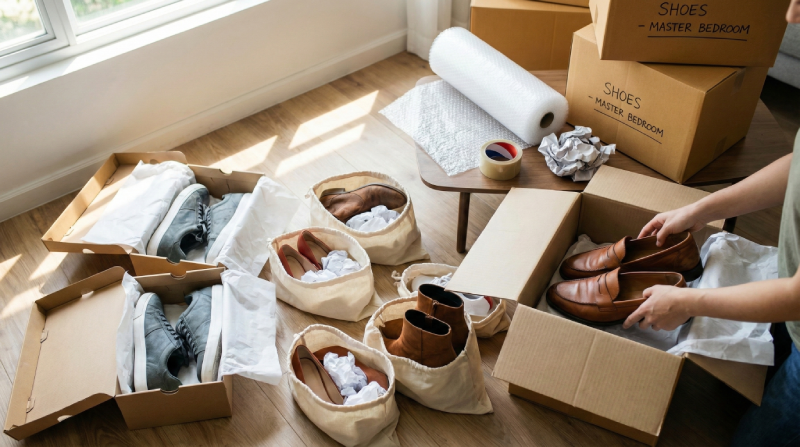
Glass, ceramics, and electronics become more fragile in cold weather. Wrap these items in bubble wrap first, then add a layer of moving blankets or towels for temperature shock protection.
Pack fragile items in smaller boxes that warm up faster than large containers. Consider these strategies for maximum protection:
- Label fragile boxes clearly and transport them in your personal vehicle if possible.
- Keep a "first-day box" with important fragile items like coffee makers and dishes in your heated car rather than the cold moving truck.
- Load fragile items last so they spend less time in cold conditions.
Using Plastic Bins and Cold-Weather Tape
Plastic bins work better than cardboard boxes in winter conditions. They resist moisture from snow and slush, stack better on slippery surfaces, and protect contents from temperature changes.
Standard packing tape fails in temperatures below 40°F. Buy cold-weather shipping tape designed for freezer applications.
Follow these best practices for winter packing materials:
- Buy clear bins so you can identify contents without opening them in cold weather.
- Apply tape in a warm room when possible, pressing firmly to create strong seals.
- Test tape adhesion before loading the truck to make sure seals won't pop open during transport.
Electronics: Acclimation and Condensation Risks
Electronics need special attention during winter moving and storage. Cold temperatures can crack LCD screens and damage hard drives.
Wrap electronics in anti-static bubble wrap and pack them in insulated boxes with plenty of padding. Allow electronics to reach room temperature for at least 24 hours before powering them on.
Protect your electronics with these precautions:
- Place silica gel packets in boxes with electronics to absorb excess moisture during transport.
- Never power on cold electronics right away, as condensation forms inside devices when they warm up too quickly.
- Transport high-value electronics like computers and TVs in your climate-controlled vehicle when possible.
Hazardous/Perishable Item Restrictions
Many items you'd normally pack become hazardous in winter. Latex paint, cleaning supplies, and canned goods can freeze and explode in moving trucks.
Aerosol cans lose pressure in cold weather and may not work properly after freezing. Plan ahead to avoid transporting temperature-sensitive items in unheated trucks.
Keep these items out of your moving truck:
- Transport plants, medications, and important documents in your personal vehicle.
- Pack a cooler with snacks and drinks, as restaurants along your route may be closed due to weather.
- Remove all liquids from appliances and drain water lines to prevent frozen pipes and damage.
- Dispose of or give away items that cannot tolerate freezing temperatures rather than risk damage or safety hazards.
Preparing Your Vehicle and Route To Move In The Winter
Vehicle preparation makes the difference between a smooth winter move and a dangerous situation. Both your personal vehicle and rental truck need specific attention for cold-weather travel. Planning your route with winter conditions in mind prevents delays and accidents. To understand how long your move might take and plan accordingly, see our guide to calculating your moving timeline.
Winter Vehicle Emergency Kit
Stock your vehicle with blankets, water, non-perishable snacks, and a first-aid kit. Include jumper cables, an ice scraper, a snow brush, and a small shovel. Pack a bag of sand or cat litter for traction, plus road flares or reflective triangles for visibility.
Keep your phone charger accessible and consider a portable battery pack for emergencies. Add extra windshield washer fluid rated for freezing temperatures. Include basic tools, duct tape, and zip ties for quick repairs that might get you back on the road.
Chain/Traction Device Requirements
Mountain passes and some highways require chains or traction devices during winter storms. Check the state Department of Transportation websites for current requirements along your route. Rental truck companies typically offer chain rentals, but confirm availability when booking.
Practice installing chains before your trip in daylight and dry conditions. Many people discover they have the wrong size or don't understand the installation process when it's too late. Consider hiring professional chain installers at designated pull-off areas if you're not comfortable doing it yourself.
Timing Your Move for Daylight and Safe Travel Windows
Winter days are short, and visibility drops after sunset. Check sunrise and sunset times for both your origin and destination cities. Factor in time zone changes for long-distance moves. Build in extra travel time for slower speeds on potentially icy roads, adding at least 25% to normal drive times.
Professional Movers vs. DIY in Winter
The decision between hiring professionals and moving in the winter yourself requires careful consideration of safety, cost, and capability. Winter conditions make this choice more important than during better weather. For a complete comparison of your options, see our guide on moving yourself vs. hiring movers.
Benefits of Hiring Professionals
Professional movers have experience handling winter conditions that most people lack. They know how to navigate icy driveways, protect floors from salt damage, and load trucks for winter driving conditions. Their equipment includes proper winter gear and tools designed for cold-weather use.
Moving labor services at $50 per mover per hour provide affordable professional help without full-service moving costs. You keep control over the truck rental and schedule while getting expert help with heavy lifting. This approach combines the cost savings of DIY with the safety of professional help.
Professional movers carry insurance that protects you from liability if someone gets injured on your property. They work quickly despite cold conditions, completing moves hours faster than DIY attempts. Their experience prevents common winter moving mistakes that lead to damaged belongings or injuries.
What to Ask Your Moving Company
Ask about their winter weather policies, including how they handle storm-related cancellations and rescheduling fees. Confirm their insurance covers weather-related incidents and property damage from snow or ice. Request references from other customers who moved during the winter months. For a complete list of questions, see our guide to questions to ask movers.
Ask about their equipment for winter conditions, including floor protection and traction devices. Talk about their crew's cold-weather experience and safety protocols. Get written confirmation of all policies and prices to avoid surprise charges on moving day.
Consumer Protection and Rights
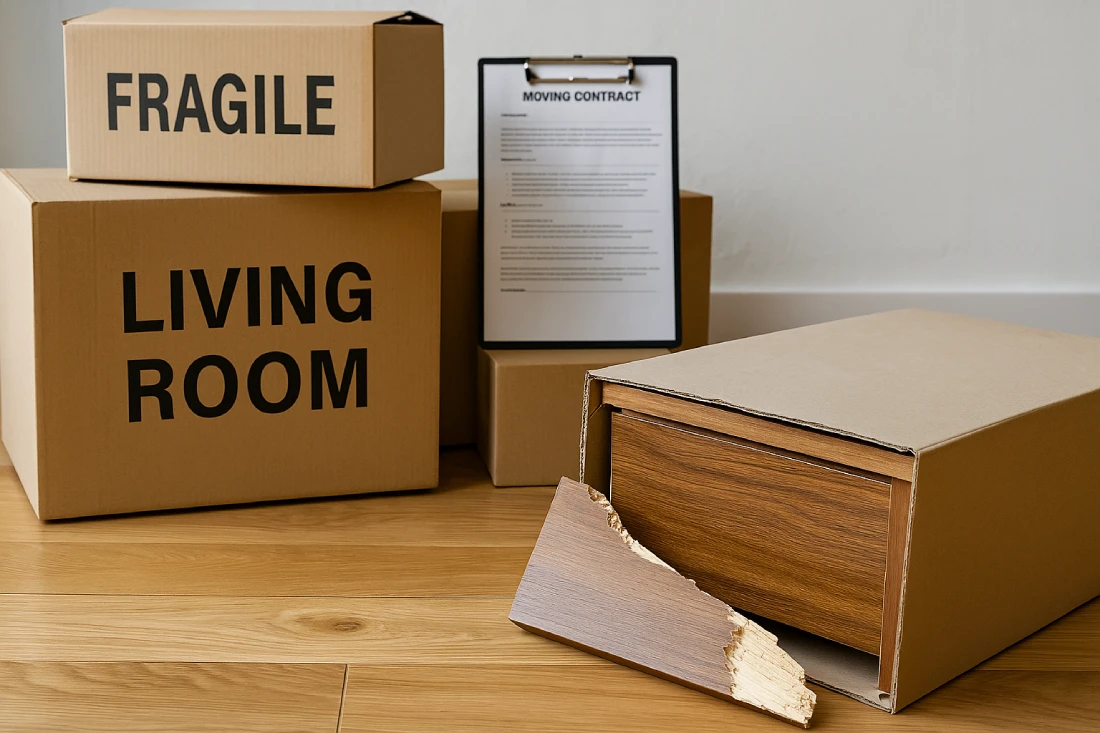
Federal regulations protect interstate moving customers regardless of season. Moving companies must provide written estimates and cannot hold belongings hostage for payment exceeding 110% of non-binding estimates. Document all interactions and keep copies of contracts and receipts.
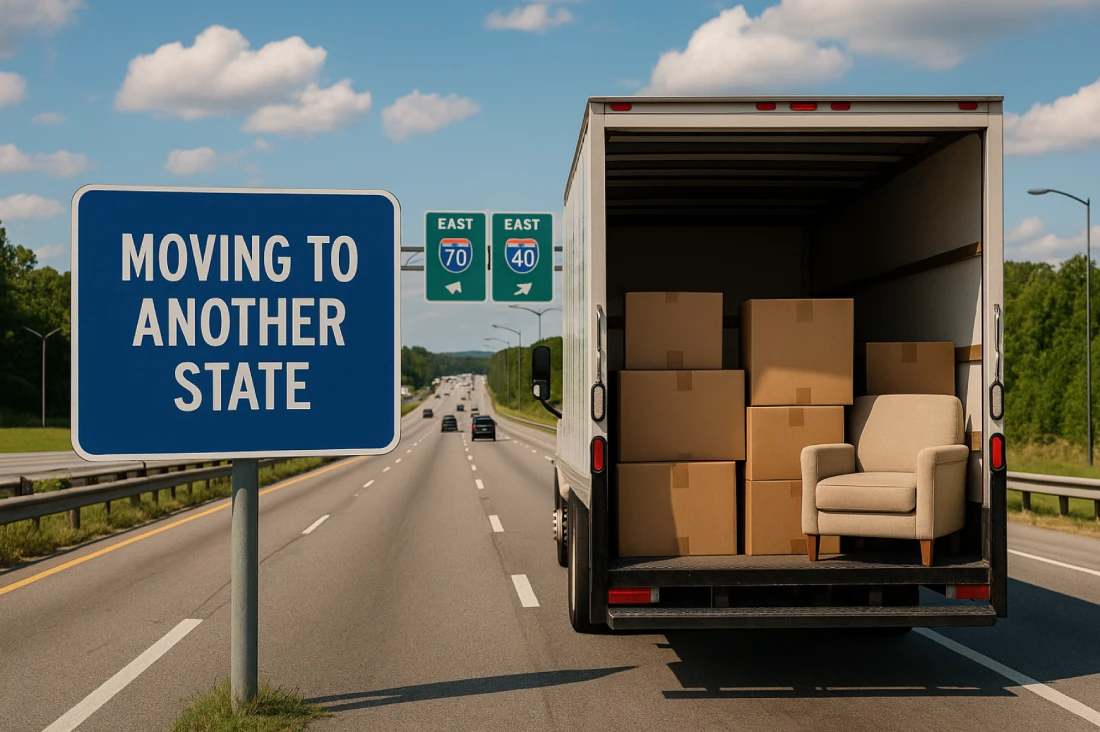
State regulations vary for local moves, but generally require licensing and insurance. Research complaint histories through the Better Business Bureau and state consumer protection agencies. Know your rights about delays, damages, and dispute resolution before signing contracts. If you're planning an interstate move, our detailed guide on moving to another state covers additional legal and logistical considerations.
Day One Essentials Once You Move In Winter
Setting up utilities properly helps you have a comfortable arrival at your new home. Winter moving tips always emphasize the importance of having heat and hot water ready before you arrive.
Utility Setup Tips
Schedule utility connections at least three days before moving in. Confirm that heating will be active and set to at least 60°F to prevent pipe freezing.
- Test all utilities the day before moving if you have access to the property.
- Keep utility company phone numbers handy for emergency service calls.
- Find the main water shut-off valve, circuit breaker panel, and furnace controls right when you arrive.
- Document meter readings with photos for accurate billing.
Climate-Controlled Storage Needs
Climate-controlled storage becomes necessary for items sensitive to freezing temperatures. Musical instruments, artwork, photographs, and wine require consistent temperatures above freezing.
Standard storage units can drop below freezing in winter, damaging stored items. The extra cost for climate control (typically 25-50% more) protects valuable belongings.
- Electronics and appliances with LCD displays also need climate control.
- If using temporary storage during your move, transfer temperature-sensitive items directly to climate-controlled units.
Post-Move Safety
Install fresh batteries in smoke and carbon monoxide detectors right away. Check that heating vents aren't blocked by furniture or boxes.
- Clear snow from exhaust vents for furnaces, water heaters, and dryers.
- Find and test your new home's snow removal equipment before the next storm.
- Stock ice melt and have a snow removal plan for driveways and walkways.
- Register with local snow removal services if you won't be handling it yourself.
Winter Moving Safety: Protecting People and Property
Safety becomes the top priority when moving in the snow or icy conditions. Injuries from slips and falls increase during winter moves, making proactive safety measures important for protecting both people and property throughout the process.
Monitoring Weather and Understanding Warnings
Check the National Weather Service forecast starting five days before your move and track conditions daily. Understanding winter weather terminology helps you prepare appropriately for changing conditions:
- Winter storm watches: Issued 24-48 hours before conditions are expected to develop.
- Winter storm warnings: Severe conditions are imminent or currently occurring.
- Blizzard warnings: Sustained winds over 35 mph with snow, creating dangerous whiteout conditions.
Download weather apps that provide hourly updates and radar tracking for real-time monitoring. Create a backup plan with your moving company or truck rental agency before bad weather hits, as most have flexible rescheduling policies for dangerous conditions. Document weather conditions on moving day with photos for insurance claims or to explain delays to employers or landlords.
Clearing Walkways and Driveways
Start clearing paths the night before your move if snow is forecast. Apply ice melt or rock salt to all walkways, steps, and driveways at least two hours before movers arrive.
Use calcium chloride for temperatures below 15°F, as regular salt loses effectiveness in extreme cold. Shovel a path at least four feet wide to fit furniture and moving equipment. Clear an area near the truck for staging boxes and furniture, and keep sand or kitty litter handy for instant traction on slippery spots that develop during the day.
Floor Protection Strategies
Protecting your floors from winter damage requires multiple layers of defense. Set up these protective measures before moving begins:
- Lay down heavy-duty floor runners or old towels at every entrance to catch snow, salt, and moisture.
- Place cardboard or plastic sheeting on floors along the main moving path.
- Set up a designated area near the door for wet boots and gloves to prevent tracking moisture throughout your home.
- Use furniture pads as temporary floor coverings in high-traffic areas.
- Keep old towels ready to wipe down furniture legs and box bottoms before bringing them inside.
Preventing Carbon Monoxide Incidents
Carbon monoxide poses a serious threat during winter moves when people run vehicles to stay warm. Never run your moving truck or personal vehicle in an enclosed space to warm up, as carbon monoxide builds up quickly and creates deadly situations within minutes.
If using portable heaters, make sure they're designed for indoor use with proper ventilation. Keep garage doors open when vehicles are running nearby, and install carbon monoxide detectors in both your old and new homes before moving day. Watch for symptoms like headaches, dizziness, or nausea that could indicate exposure.
Moving In The Winter Can Be Challenging, But It Can Be Done
Moving in winter doesn't have to be overwhelming when you prepare properly and understand the unique challenges involved. The cost savings and scheduling flexibility make winter an attractive time to relocate, especially when you know how to handle weather-related obstacles. Focus on safety first, protect your belongings with appropriate packing techniques, and don't hesitate to hire professional help for the heavy lifting.
Smart planning and the right support turn winter moving from a difficult task into a manageable project. Your winter move can be just as smooth as a summer relocation when you follow these guidelines and maintain realistic expectations about weather-related adjustments.
Frequently Asked Questions About Winter Moves
Can movers work in snow/ice?
Professional movers work in snow and light ice with proper equipment and safety protocols, but typically postpone during blizzard warnings or when roads close.
How much notice is needed for a winter move?
Book at least two weeks in advance, though winter offers more flexibility than summer due to lower demand.
What happens if the weather delays the move?
Reputable companies have clear weather delay policies without penalty fees, but confirm this policy in writing before booking.
Do I need special equipment for a DIY winter move?
You'll need ice melt, shovels, floor protection, cold-weather tape, and traction devices for your vehicle.













.webp)