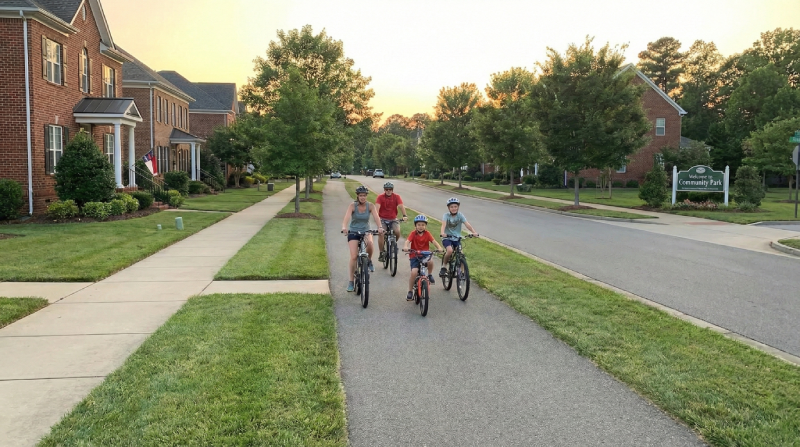
The safest cities in North Carolina are led by Cary, Holly Springs, and Morrisville. These cities combine low violent crime rates with strong schools, stable economies, and active communities. North Carolina's overall violent crime rate dropped 4.3% in 2024, reflecting effective prevention efforts statewide. This analysis examines which cities rank safest based on official data from the North Carolina State Bureau of Investigation, what factors drive their safety, and how to choose the right community for your family, career stage, or retirement.
How North Carolina's Safest Cities Were Determined
The rankings come directly from the North Carolina State Bureau of Investigation's 2024 Uniform Crime Reporting program. These numbers reflect violent crime rates per 100,000 residents, including murder, rape, robbery, and aggravated assault. Only cities that submitted complete data for the full year made the list. Partial reports or estimates weren't included.
Population figures come from the NC Office of State Budget and Management, which provides the most current resident counts for each municipality. The calculation is straightforward: total violent crimes divided by population, then multiplied by 100,000 to create comparable rates across cities of different sizes.
This methodology focuses on violent crime because it most directly impacts residents' daily safety and quality of life. Property crimes, while important, don't carry the same weight when families evaluate where to raise children or retirees choose where to spend their golden years.
Top Safest Cities in North Carolina for 2024
The data reveals clear leaders in public safety across North Carolina, with several Triangle-area cities dominating the rankings. These communities have invested heavily in community policing, economic development, and neighborhood engagement programs that create safer environments for all residents.
Cary Leads North Carolina in Safety
With a violent crime rate of just 72 per 100,000 residents, Cary is the safest city in NC among larger municipalities. The city's 181,488 residents benefit from top-rated schools, over 30 public parks, and a diverse economy anchored by tech companies and healthcare organizations. Those considering whether Cary NC is a good place to live will find an exceptional balance of safety and amenities.
The town's success stems from proactive community policing, strong neighborhood watch programs, and economic stability that reduces crime triggers. Cary Police Department's emphasis on community engagement means officers know residents by name, creating trust that prevents crime before it happens. The median household income of $113,000 supports well-maintained neighborhoods where residents look out for each other.
Holly Springs Combines Growth with Security
Holly Springs reports 89 violent crimes per 100,000 residents among its population of 46,052. This rapidly growing suburb has managed expansion without sacrificing safety, thanks to strategic planning and community investment. New developments include built-in safety features like well-lit streets, connected sidewalks, and neighborhood gathering spaces that encourage residents to know their neighbors.
The town's family focus shows in its programming. Youth sports leagues, community events, and active parent networks create the social fabric that naturally deters crime. Holly Springs proves that growth and safety can coexist when communities make both a priority from the start.
Morrisville Attracts Young Professionals
Morrisville's violent crime rate of 102 per 100,000 residents reflects its position as one of the safest places to live in North Carolina. The town's 32,431 residents include many young tech workers drawn to nearby Research Triangle Park. This educated, engaged population contributes to the community's low crime rates through active participation in local governance and neighborhood initiatives.
The town's diversity, with residents from over 50 countries, creates a rich cultural environment where different perspectives strengthen community bonds. Morrisville's investment in parks, greenways, and public spaces gives residents safe places to gather and build relationships. For those exploring whether Morrisville NC is a good place to live, the combination of safety, diversity, and career opportunities makes it particularly attractive.
Wake Forest Balances History and Safety
Wake Forest maintains a violent crime rate of 151 per 100,000 among its 54,242 residents. The town successfully blends historic charm with modern safety initiatives, preserving its small-town feel while implementing cutting-edge crime prevention strategies. The revitalized downtown creates a walkable community center where residents regularly interact, building the social connections that naturally reduce crime.
Strong schools and family amenities make Wake Forest particularly attractive to parents seeking safe places to live in North Carolina. The town's rapid growth hasn't compromised its commitment to public safety, with police staffing keeping pace with population increases. Community policing initiatives include regular coffee sessions where officers meet residents in informal settings.
Chapel Hill Offers College Town Security
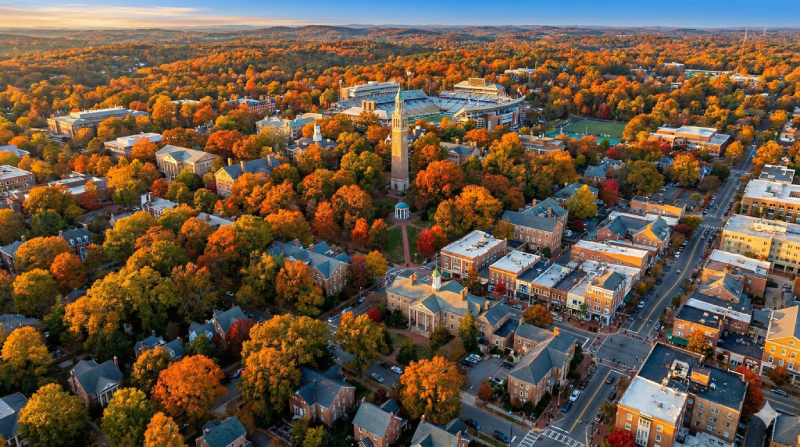
Chapel Hill rounds out the top five with 209 violent crimes per 100,000 residents in its population of 53,489. The University of North Carolina's presence shapes the town's character, creating an educated, engaged community invested in maintaining safety. The mix of students, faculty, and permanent residents creates natural surveillance that deters criminal activity.
The town's walkability and vibrant downtown encourage foot traffic that keeps streets active and safe. Cultural events, from art walks to music festivals, bring residents together regularly. Chapel Hill demonstrates how university towns can be among the safest cities to live in North Carolina when town and gown work together on public safety. Those exploring living in Chapel Hill NC will find a unique blend of academic culture and community safety.
Additional Safe North Carolina Communities
Several other communities deserve recognition as safest towns in North Carolina, though they may not appear in the NCSBI summary due to reporting variations or size thresholds.
Pinehurst attracts retirees with its world-class golf courses and low crime rates. The village's focus on quality of life for older adults includes excellent healthcare facilities and quiet, walkable neighborhoods. Davidson, another college town, builds safety through strong community connections fostered by Davidson College's integration with local life.
Apex, though not included in the 2024 NCSBI data, consistently ranks among the safest places in North Carolina in other evaluations. Rolesville, Waxhaw, Elon, Stallings, and Huntersville also frequently appear on safety rankings, offering alternatives for those seeking secure communities outside major metro areas.
What Makes These North Carolina Cities Safe
The safest cities in North Carolina achieve their low crime rates through a combination of factors that create environments where criminal activity naturally decreases. While effective policing matters, the foundation lies in economic opportunity, educational attainment, and physical infrastructure that signals community standards. These elements work together to prevent crime before it occurs rather than simply responding after incidents happen. Here's what these communities consistently get right:
Strong economic foundations reduce crime triggers. Cities like Cary and Morrisville maintain unemployment rates well below state averages, with diverse economies anchored by tech companies, healthcare organizations, and professional services that provide stable, well-paying jobs and reduce the economic pressures that often drive property and violent crime.
Higher education levels correlate with civic engagement and lower crime rates. Communities with larger percentages of college graduates see more residents voting in local elections, attending town meetings, and participating in neighborhood organizations. This creates the social capital and collective vigilance that naturally deters criminal activity.
Proactive community policing emphasizes prevention over reaction. Officers in these cities spend significant time building relationships with business owners, attending community events, and working with schools to identify at-risk youth before problems develop, creating trust that helps prevent crime while costing less than traditional reactive approaches.
Well-maintained infrastructure communicates community standards. Clean streets, functioning streetlights, maintained parks, and graffiti-free buildings send clear signals that residents care about their neighborhoods, applying the "broken windows" theory that addressing small problems prevents them from escalating into larger safety issues.
Finding the Right Safe City for Your Demographics
Different life stages call for different community features, even among the safest cities in North Carolina. Understanding these distinctions helps you choose wisely based on your specific needs and preferences.
Best Safe Cities for Families
Cary, Holly Springs, and Wake Forest excel at meeting families' needs. Their school systems rank among North Carolina's best, with strong test scores, low student-teacher ratios, and extensive extracurricular programs. Parks and recreation departments offer youth sports leagues, summer camps, and family events year-round. Families planning relocations should consider moving with kids strategies and timeline planning for smooth transitions to these communities.
These communities feature abundant pediatricians, family dentists, and specialized children's services. Neighborhoods include sidewalks, bike paths, and cul-de-sacs where kids can play safely. Parent networks thrive through school PTAs, sports team support groups, and neighborhood social media groups that share resources and build friendships.
Ideal Communities for Retirees
Pinehurst and Davidson offer retirees the combination of safety, healthcare access, and lifestyle amenities they seek. Both communities feature walkable downtowns where errands don't require driving. Healthcare facilities focus on senior care, from routine checkups to specialized treatments. Social opportunities abound through golf clubs, book clubs, volunteer organizations, and continuing education programs.
These towns understand that retirees want more than just safety. They want engagement and purpose. Community centers offer fitness classes designed for older adults. Libraries host lectures and discussion groups. The pace of life allows for both relaxation and involvement based on individual preferences.
Safe Spots for Young Professionals
Morrisville and Chapel Hill attract young professionals with their combination of safety, career opportunities, and social amenities. Both offer easy access to Research Triangle Park's tech companies and startups. The educated peer groups in these communities create networking opportunities that advance careers while building friendships.
These cities feature the coffee shops, breweries, restaurants, and entertainment venues young professionals enjoy. Public transportation and bike-friendly infrastructure reduce car dependence. The cultural diversity brings international cuisine, festivals, and perspectives that enrich daily life. Housing options range from urban apartments to starter homes, accommodating different budgets and lifestyles.
Understanding North Carolina's Overall Crime Trends
North Carolina's statewide violent crime rate of 388.4 per 100,000 residents in 2024 represents a significant improvement from 405.8 in 2023. This downward trend reflects successful crime prevention initiatives, economic growth, and community investment across the state. Property crime rates have similarly declined, making North Carolina increasingly attractive for families and businesses.
The differences between urban, suburban, and rural crime rates reveal interesting patterns. Urban centers like Charlotte and Raleigh see higher crime rates than their suburban counterparts, which partially explains why suburbs dominate the safest cities in NC list. Even urban areas have seen improvements, with targeted interventions in high-crime neighborhoods showing results.
Rural areas present a mixed picture. Some small towns rank among the safest places in North Carolina, benefiting from tight-knit communities where everyone knows everyone. Others struggle with limited law enforcement resources and economic challenges that can drive property crime. The difference often comes down to economic opportunity and community cohesion.
Safety Tips for Moving to North Carolina
Choosing a safe North Carolina city requires looking beyond overall crime statistics to understand the specific neighborhood where you'll actually live. City-wide data provides a useful starting point, but crime rates can vary dramatically between different areas within the same municipality. A "safe" city might still contain pockets with higher incident rates. The most effective approach combines official crime data with on-the-ground research, personal visits, and community engagement to identify neighborhoods that match your specific safety needs and lifestyle.
Check neighborhood-level crime data through local police departments. City-wide statistics mask significant variations between neighborhoods, so request detailed maps showing recent incidents in your target area, or use online crime mapping tools to evaluate specific addresses and nearby blocks.
Visit at different times to observe community activity. Walk through potential neighborhoods during morning commutes, weekend afternoons, and Friday evenings to see whether residents are outside, children play freely, and neighbors interact. These behavioral indicators often reveal more about safety than statistics alone.
Connect with residents before you move. Join local Facebook groups, attend a town council meeting, or visit during community events to understand what issues matter to residents and observe how neighbors interact with each other.
Evaluate the physical environment: Well-lit streets, maintained sidewalks, and easy access to police and fire stations contribute to both actual safety and peace of mind.
Making Your Decision Among North Carolina's Safest Cities
North Carolina's safest cities (Cary, Holly Springs, Morrisville, Wake Forest, and Chapel Hill) succeed through economic stability, strong schools, and engaged communities. Crime rates alone don't tell the full story: visit neighborhoods, talk to residents, and evaluate commutes before deciding. If you're planning a move to one of these communities, explore professional moving services in North Carolina for a smooth, stress-free transition to your new safe haven.
Frequently Asked Questions
What city in NC has the absolute lowest crime rate among all municipalities?
While Cary leads among larger cities, some very small towns report even lower rates but weren't included in the official NCSBI summary due to size or reporting limitations.
Are Charlotte and Raleigh actually safe compared to their suburbs?
Both cities have safe neighborhoods, but their overall rates are higher than suburban communities like Cary and Holly Springs that benefit from smaller populations and residential focus.
Which safe NC cities offer the best value for families on a budget?
Holly Springs and Wake Forest balance safety with relative affordability, while smaller towns like Elon and Winterville offer even lower costs.
How do coastal North Carolina cities compare for safety?
Wilmington and other coastal areas generally have moderate crime rates, higher than the Triangle suburbs but with their own lifestyle advantages.
Do university towns in NC tend to be safer or more dangerous?
College towns like Chapel Hill and Davidson typically report lower violent crime but may see higher property crime rates due to student populations.
What's the typical cost difference between the safest cities and average NC communities?
Housing in the safest cities often costs 20-40% more than state averages, though this varies significantly by specific location and housing type.






















.webp)