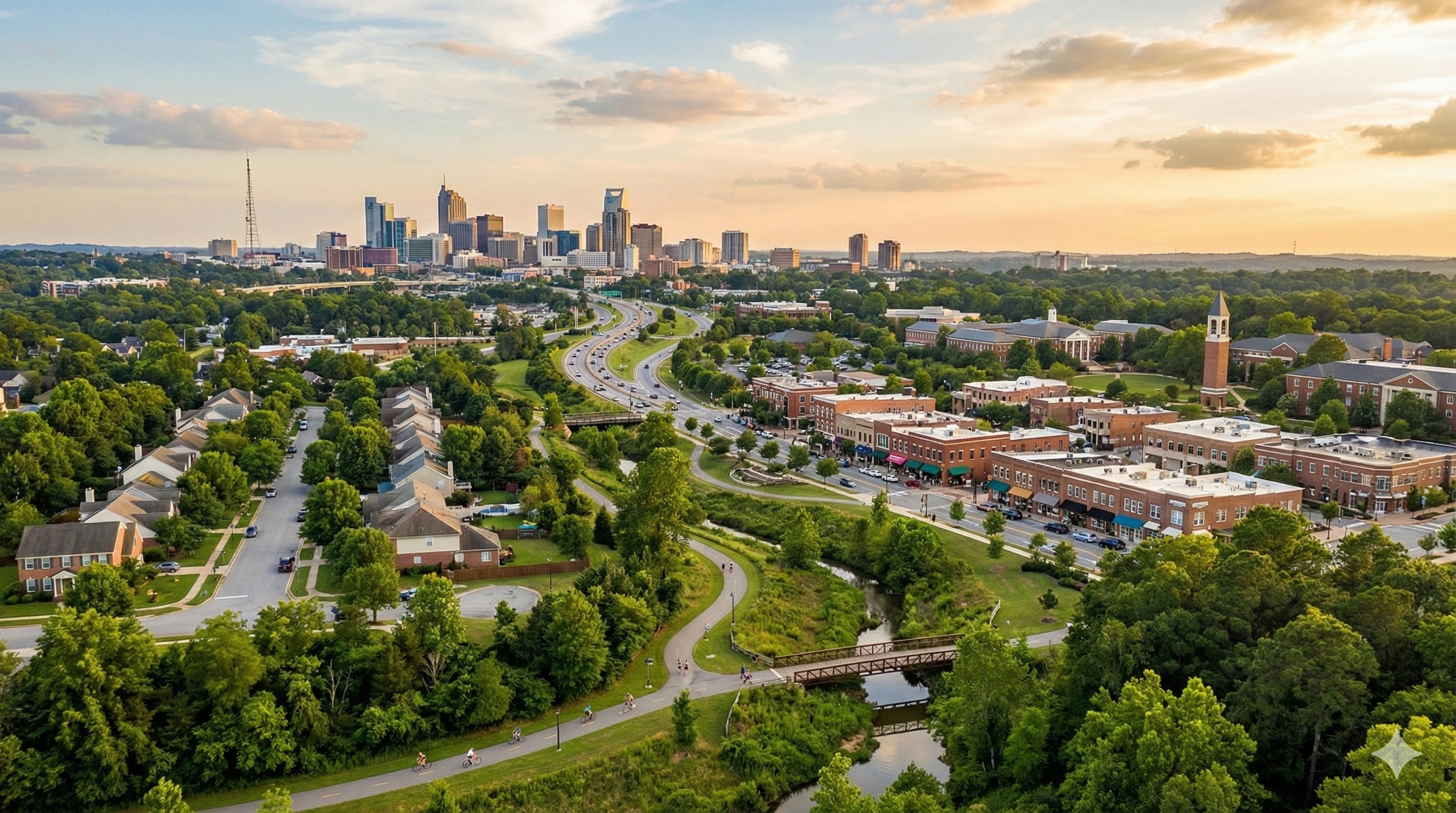
If you're considering cities close to Raleigh, NC, you'll find options ranging from affordable family-friendly suburbs to vibrant urban centers, each with different commute times, housing costs, and community characteristics. Wake County suburbs like Cary and Apex offer excellent schools and amenities, while neighboring Durham and Chapel Hill provide urban living with cultural attractions.
This guide covers each community's distance from downtown Raleigh, realistic commute expectations, cost of living differences, and what makes each area unique. You'll learn which locations offer the strongest school systems, where young professionals tend to settle, and how to match your priorities with the right neighborhood.
Understanding Raleigh's Geographic Layout
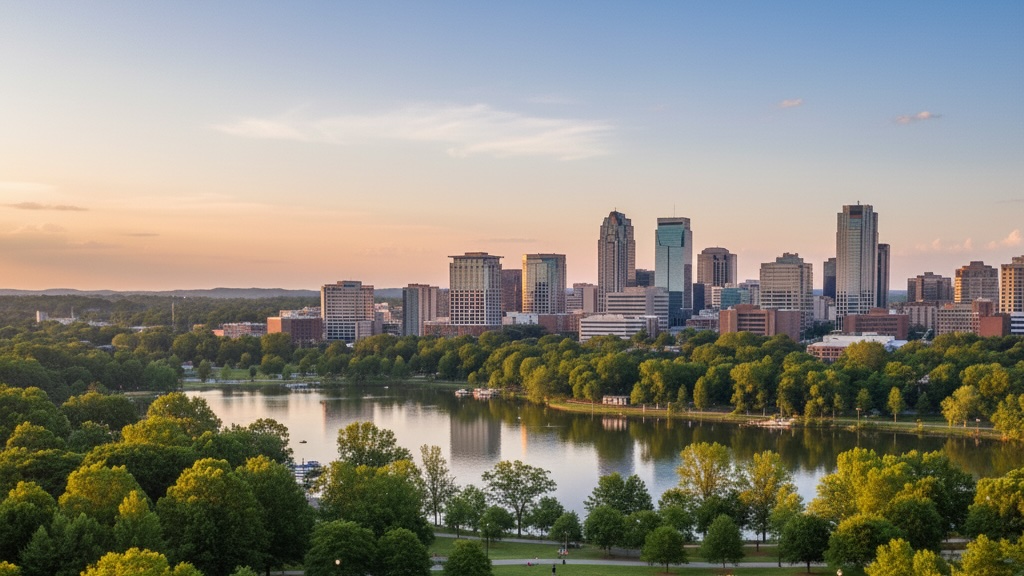
Raleigh sits at the center of Wake County, surrounded by suburbs and smaller towns that have grown alongside the city's expansion. The area forms part of the Research Triangle, which includes Durham to the northwest and Chapel Hill to the west. Most Wake County suburbs fall within a 10 to 30-minute drive of downtown Raleigh during non-peak hours, a major factor for those deciding if Raleigh, NC, is a good place to live.
The major highways connecting these communities include I-40, I-440 (the Raleigh Beltline), US-1, and US-64. These routes determine much of the commute experience and development patterns around the city. Understanding this road network helps explain why some towns feel closer than their actual mileage suggests, while others can feel more distant due to traffic patterns.
Wake County encompasses most of the immediate suburbs, offering unified services and school systems. Beyond Wake County's borders, you'll find additional options in Durham and Johnston counties, each with different tax rates, services, and community characteristics.
Wake County Suburbs: Your Closest Options Close to Raleigh
Wake County suburbs share the same school district and tax structure as Raleigh itself, making them the most seamless transition for new residents. Most of these communities developed along major highway corridors radiating from downtown, creating distinct commuting patterns and price points based on their direction and distance from the city center.
Cary: Premium Living Close to Downtown Raleigh
Located just 7-15 miles from downtown Raleigh, Cary has evolved from a historic railroad town into one of North Carolina's most sought-after suburban communities. It captures many of the highlights associated with living in North Carolina, blending lush landscapes with modern amenities. Here's what makes Cary stand out:
- Commute times to Raleigh: 15-25 minutes during normal traffic, extending to 35 minutes during rush hour.
- Housing market in Cary: Single-family homes typically range from $615,000 to over $900,000, positioning it as one of the area's premier markets.
- School quality: Exceptional public schools consistently rank among the best in Wake County.
- Recreation and amenities: Extensive greenway systems, well-maintained parks, and abundant youth sports programs.
- Cultural diversity: International restaurants and cultural events create a cosmopolitan atmosphere uncommon in suburban areas.
- Safety and community: Low crime rates and a family-friendly environment make Cary ideal for raising children.
Apex: Small-Town Charm Near Raleigh
Nicknamed the "Peak of Good Living," Apex sits 12-18 miles from downtown Raleigh and successfully balances historic character with modern suburban convenience. Here are the main features of Apex:
- Commute from Apex to Raleigh: 20-30 minutes via US-64 or NC-55.
- Cost of living in Apex: Home prices average $600,000 to $800,000, reflecting high demand comparable to Cary's market.
- Historic downtown district: Locally owned shops, restaurants, and regular community events along Salem Street.
- National recognition: Consistently ranked among America's best places to live.
- Neighborhood variety: Walkable historic areas with traditional architecture plus newer developments with townhomes.
- School reputation: Top-rated schools attract families seeking quality education without sacrificing community character.
Morrisville: Tech Hub Between Raleigh and RTP
Strategically positioned 10-15 miles from downtown Raleigh, Morrisville offers unique advantages for professionals working in Research Triangle Park or traveling frequently. Morrisville's defining characteristics include:
- Commute to downtown Raleigh: 20-30 minutes, though many residents work closer in RTP (10-15 minutes).
- Housing options in Morrisville: More condos and townhomes than traditional suburbs, with single-family homes typically priced $500,000 to $700,000.
- Airport proximity: Minutes from RDU International Airport, perfect for frequent travelers.
- Cultural diversity: Large Indian community and multicultural population support exceptional international dining.
- Employment access: Ideal location for tech professionals working in Research Triangle Park.
- Urban-suburban blend: Lacks a traditional downtown but compensates with convenience and modern amenities.
Garner: Affordable Living Close to Raleigh
Just 5-10 miles from downtown Raleigh, Garner offers one of the shortest commutes among suburban options while maintaining affordability. Here's what defines Garner as a residential choice:
- Commute from Garner to Raleigh: 10-20 minutes via US-70 or I-40, among the shortest in the area.
- Housing affordability: Homes are typically priced $400,000 to $550,000, offering significant value compared to western suburbs.
- Community character: Maintains Southern small-town atmosphere despite proximity to Raleigh.
- Recreation access: Lake Benson Park provides outdoor activities and a community gathering space.
- Target demographic: First-time homebuyers and residents who value location over extensive amenities.
- Downtown development: The Historic downtown area is gradually adding new businesses and dining options.
Holly Springs: Fast-Growing Family Suburb Near Raleigh
Located 15-20 miles from downtown Raleigh, Holly Springs has rapidly transformed from a rural community to a modern family-oriented suburb. Holly Springs attracts residents with these compelling features:
- Commute to Raleigh from Holly Springs: 25-35 minutes via US-1 or NC-55.
- New construction market: Predominantly new homes priced $480,000 to $650,000.
- Parks and recreation investment: Extensive facilities, including the massive Ting Park entertainment venue.
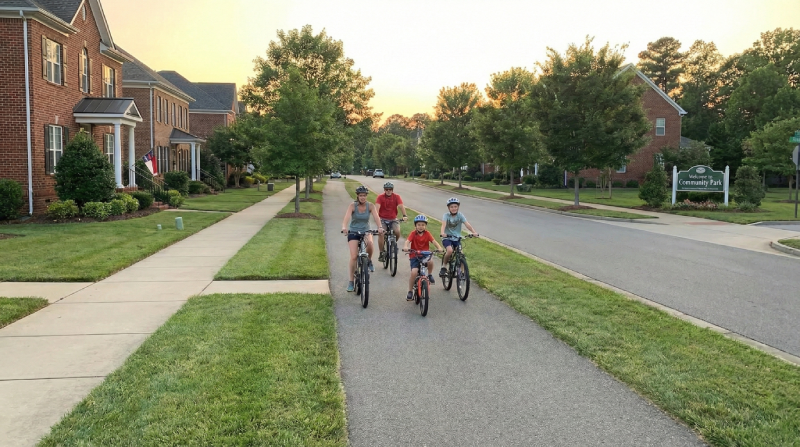
- Family amenities: Neighborhoods feature community pools, playgrounds, and extensive walking trails.
- Target residents: Young families seeking newer homes with modern features and strong community programming.
- Downtown development: Continuing growth with new restaurants, shops, and entertainment options.
Fuquay-Varina: Affordable Small-Town Living Near Raleigh
Sitting 15-22 miles from downtown Raleigh, this unique merged town offers dual downtown districts while maintaining relative affordability. Fuquay-Varina's main advantages include:
- Commute from Fuquay-Varina to Raleigh: 25-40 minutes depending on route selection.
- Housing costs: Competitive options ranging from $450,000 to $575,000 for single-family homes.
- Unique character: Dual downtown experience with distinct Fuquay and Varina historic districts.
- Downtown revitalization: Breweries, restaurants, and shops now occupy historic buildings.
- Lifestyle appeal: Attracts families and retirees seeking a slower pace without losing city access.
- Value proposition: Excellent option for those willing to accept a longer commute for better home value.
Knightdale: Eastern Gateway to Raleigh
Positioned 10-12 miles east of downtown Raleigh, Knightdale offers convenient access with strong value for growing families. Here are the defining features of Knightdale:
- Commute to Raleigh from Knightdale: 15-25 minutes via US-64.
- Housing market: Prices range from $380,000 to $500,000, offering good value for newer construction.
- Rapid development: New shopping, dining, and entertainment options are continuously emerging.
- Community gathering spaces: Knightdale Station Park hosts regular events and concerts.
- Target demographic: Young families seeking affordable new construction with modern amenities.
- Convenience factor: Recent commercial development reduces the need for Raleigh trips for daily needs.
Wake Forest: Historic Charm North of Raleigh
Located 15-20 miles north of downtown Raleigh, Wake Forest successfully blends historic character with modern suburban growth. Wake Forest stands out through:
- Commute from Wake Forest to Raleigh: 20-30 minutes via US-1 or Capital Boulevard.
- Housing variety in Wake Forest: A Wide range from starter homes to estates, with a median price of over $550,000.
- Historic downtown district: Unique shops, restaurants, and the Wake Forest Historical Museum create a walkable core.
- School quality: Strong schools and community programs attract family-focused residents.
- Diverse appeal: Families value education programs, while those researching whether North Carolina isis North Carolina a good place to retire often appreciate the walkable downtown and medical facilities.
- Character preservation: Maintains distinct identity despite significant growth pressures.
Smaller Wake County Communities Near Raleigh
Beyond the major suburbs, several smaller Wake County towns offer unique value propositions for residents seeking affordability and space. These communities provide distinct advantages:
- Rolesville: Located northeast of Raleigh with rural character and 20-30 minute commutes; homes typically range $450,000 to $600,000.
- Wendell and Zebulon: Further east options offering small-town living with 25-40 minute commutes.
- Housing affordability: Most affordable Wake County options with homes from $350,000 to $450,000.
- Target residents: Those who value space, land, and affordability over proximity and suburban amenities.
Cities Outside Wake County Close to Raleigh
Moving beyond Wake County's borders expands your options to include independent cities with their own urban cores, cultural amenities, and distinct tax structures. These communities serve as destinations in their own right rather than traditional suburbs, offering different lifestyle trade-offs in exchange for longer commutes to Raleigh.
Durham: Urban Alternative Near Raleigh
Durham sits 25 miles from downtown Raleigh and works as an independent city with its own urban core rather than a traditional suburb. For those considering living in Durham, NC, the city offers these characteristics:
- Commute from Durham to Raleigh: 25-40 minutes via I-40 or US-70.
- Housing market diversity: Big differences by neighborhood, ranging $400,000 to over $800,000.
- Urban amenities: Professional sports, major hospitals, and Duke University create a city atmosphere.
- Revitalized downtown Durham: Well-known restaurants, breweries, and arts venues attract young professionals.
- Cultural diversity: Urban vibe and creative community appeal to artists and entrepreneurs.
- Independent identity: Works as a destination city while keeping Triangle area connections.
Chapel Hill: College Town West of Raleigh
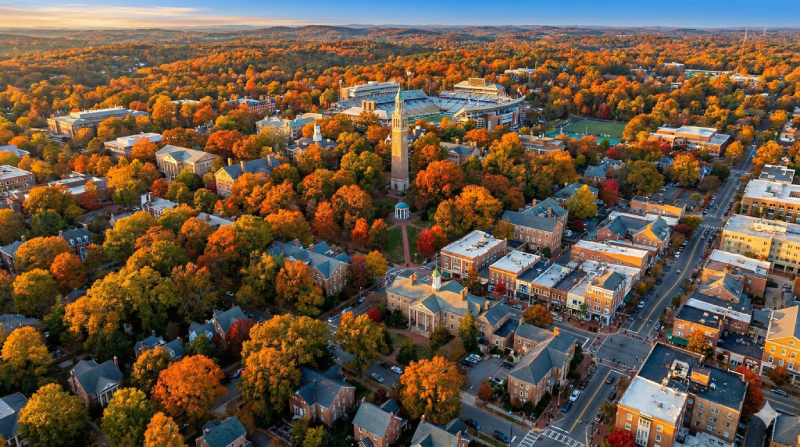
Chapel Hill is 28 miles from downtown Raleigh and centers around UNC. It offers a college town atmosphere with premium amenities. Chapel Hill's main features include:
- Commute from Chapel Hill to Raleigh: 35-45 minutes via I-40 or US-54, the longest among popular options.
- Cost of living in Chapel Hill: Among the area's highest, typically $600,000 to over $1 million for homes.
- Education focus: Excellent schools and UNC proximity attract academics and professionals.
- Walkable downtown: Franklin Street provides dining and shopping near campus.
- Community character: Progressive politics and education values shape the local culture.
- Trade-offs: Unique character means accepting the longest Raleigh commute among popular choices.
Clayton: Affordable Johnston County Option Near Raleigh
Clayton is 15-20 miles southeast of Raleigh in Johnston County. It provides affordability outside Wake County's higher costs. Clayton appeals to budget-conscious buyers through:
- Commute from Clayton to Raleigh: 20-35 minutes via US-70 or I-40.
- Housing affordability: Less expensive than Wake County suburbs, with options from $350,000 to $500,000.
- Tax advantages: Slightly lower tax rates compared to Wake County properties (though property values have risen).
- Downtown character: Adding new businesses while keeping a small-town atmosphere.
- Target demographic: Families looking for value and those willing to leave the Wake County school system.
- Trade-offs: Lower costs balanced by different county services and school districts.
Moving to Another City: Key Factors to Consider
Before selecting your new community, evaluate how each location's practical realities—commute patterns, tax implications, and amenities—align with your daily life and long-term goals. These factors significantly impact your satisfaction beyond the initial home purchase.
Commute Realities
Morning rush hour typically runs from 7:00 to 9:00 AM, while evening rush spans 4:30 to 6:30 PM. During these times, add 10 to 20 minutes to normal commute estimates. Routes like I-40 through RTP and Capital Boulevard have the worst congestion. Think carefully about your workplace location, as commuting to RTP is very different from reaching downtown Raleigh.
School Districts and Education
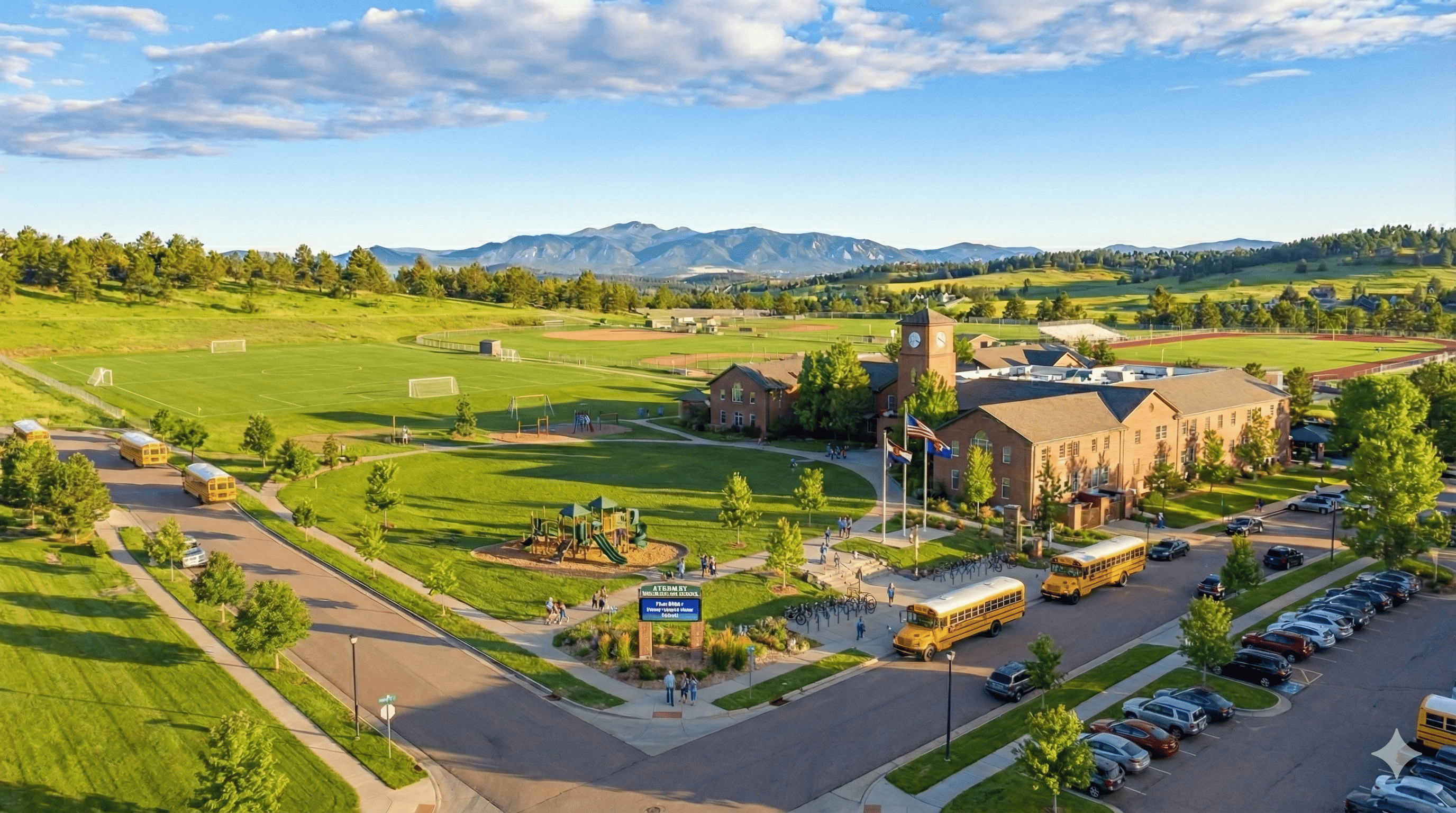
Wake County schools generally rank highly, though specific schools vary by performance. Cary, Apex, and Wake Forest typically have the highest-rated schools. Chapel Hill-Carrboro schools in Orange County also rank well. Research specific school assignments, as they can change and affect property values. Look at both elementary and future middle/high school options when choosing locations.
Cost of Living Variations
Beyond housing costs, think about property taxes, HOA fees, and utility costs. Wake County property tax rates stay consistent, but home values affect actual bills. Johnston County offers slightly lower tax rates. Newer developments often include HOA fees from $30 to $200 monthly. Some areas require well water or septic systems, which affects maintenance costs.
Lifestyle and Community Fit
Each community offers different amenities and atmosphere. Urban areas like Durham provide nightlife and cultural events. At the same time, some buyers might check if Greensboro, NC, is a good place to live for even more affordability, but most prefer staying within the immediate Triangle for job access. Family-focused suburbs like Apex and Holly Springs focus on parks and youth programs. Unlike the coastal experience of living in Wilmington, NC, these central areas focus on connectivity and forest-like greenways. Think about your priorities: walkability, dining options, outdoor recreation, or community events. Visit during different times and seasons to get accurate impressions.
Moving to Your Chosen Raleigh Area Community
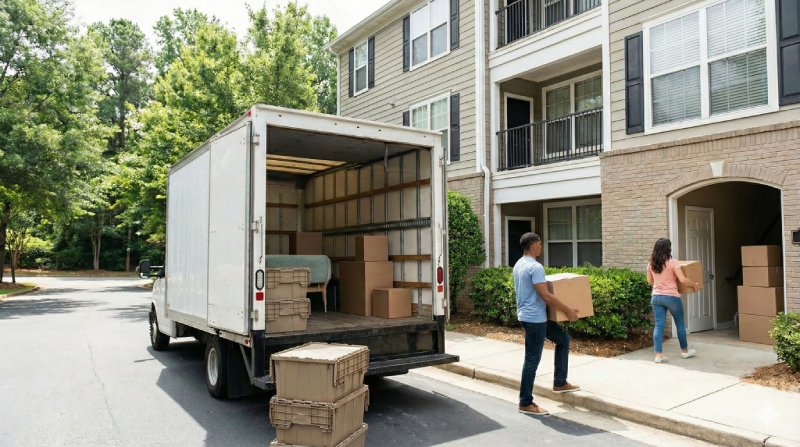
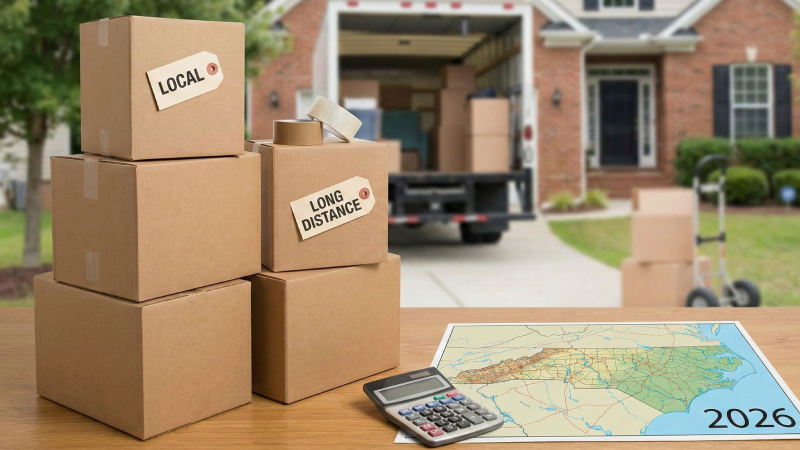
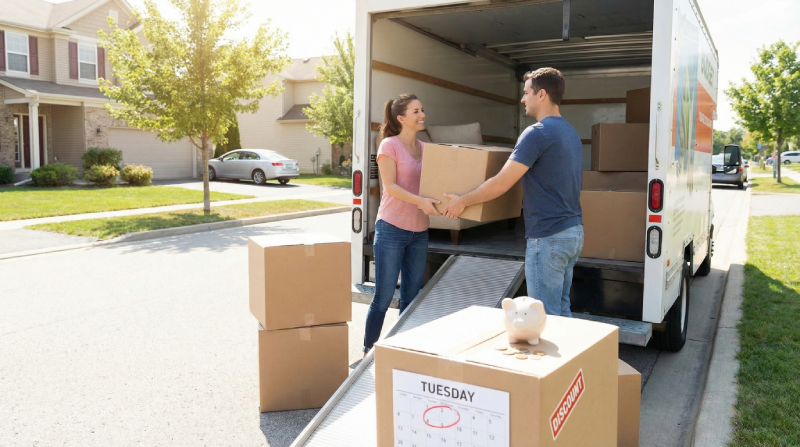
Once you've picked your ideal community near Raleigh, planning your move becomes the next priority. Local moves within the Triangle typically take 2 to 4 hours for loading and another 2 to 4 hours for unloading, depending on home size and complexity.
Think about these timing factors for your move:
- Peak moving season runs from May through September, so book early if renting your own truck.
- Avoid rush hours and extreme summer heat for the most comfortable moving experience.
- You should weigh the pros and cons of moving yourself vs hiring movers based on your specific situation.
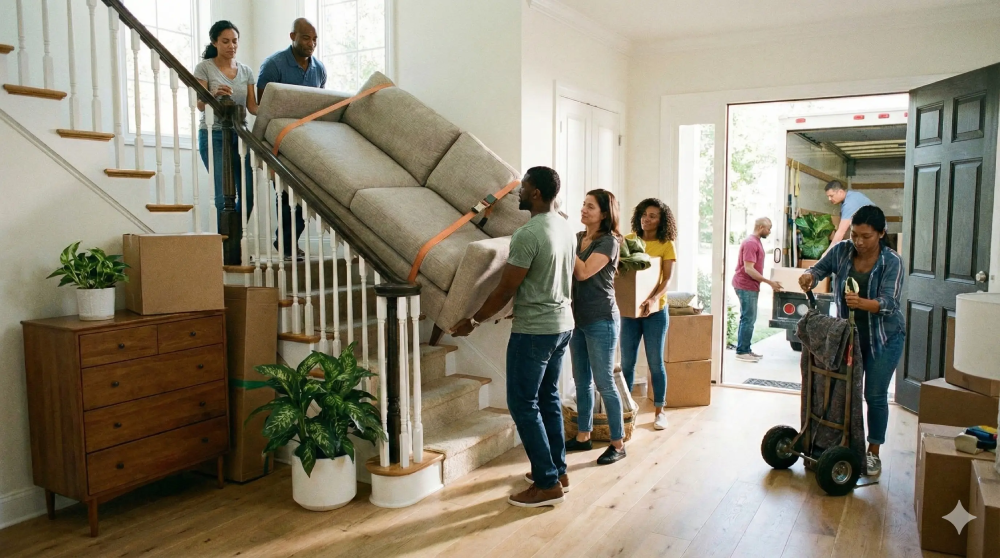
Each Raleigh-area community has unique moving challenges. Cary and Apex feature many two-story homes with narrow staircases. Durham includes older homes with unique layouts and tight corners, while newer developments in Holly Springs and Fuquay-Varina typically offer easier loading access.
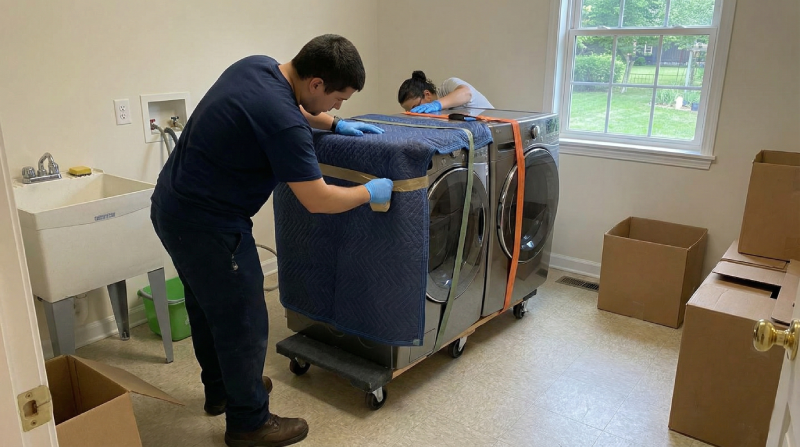
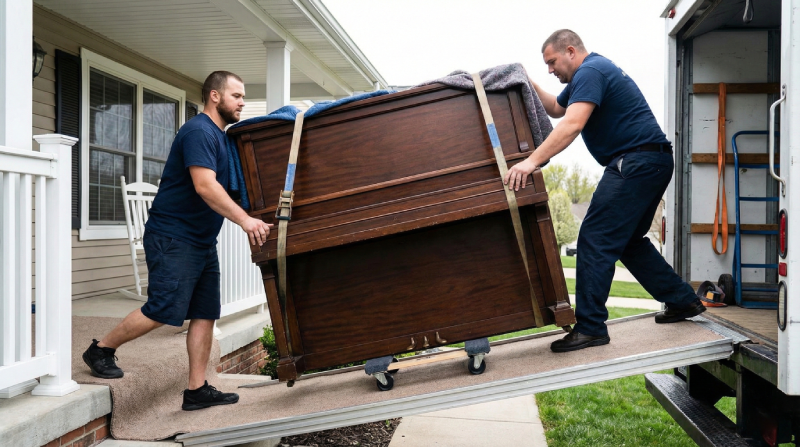
Professional moving help makes sense when dealing with heavy furniture, multiple floors, or time constraints. If you settle in the area, movers in Raleigh, NC can handle the loading and unloading by the hour. Be sure to prepare a list of moving questions to ask movers to make sure they know the specific details of your new neighborhood.
When estimating how much it costs to hire a moving company, think about these guidelines:
- Budget $200 to $400 for labor assistance for a typical suburban home.
- Full-service moves will vary based on distance, home size, and services needed.
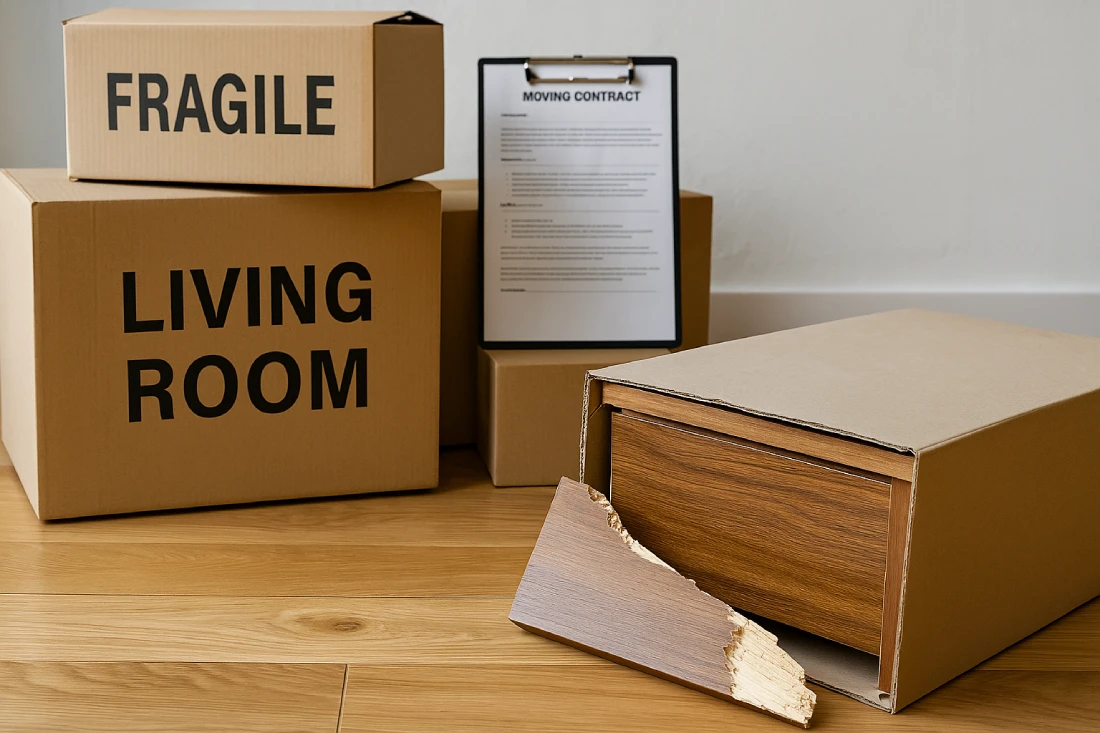
- This investment protects your belongings and prevents injury during what's already a stressful transition.
Seasonal Considerations for Raleigh Area Moves
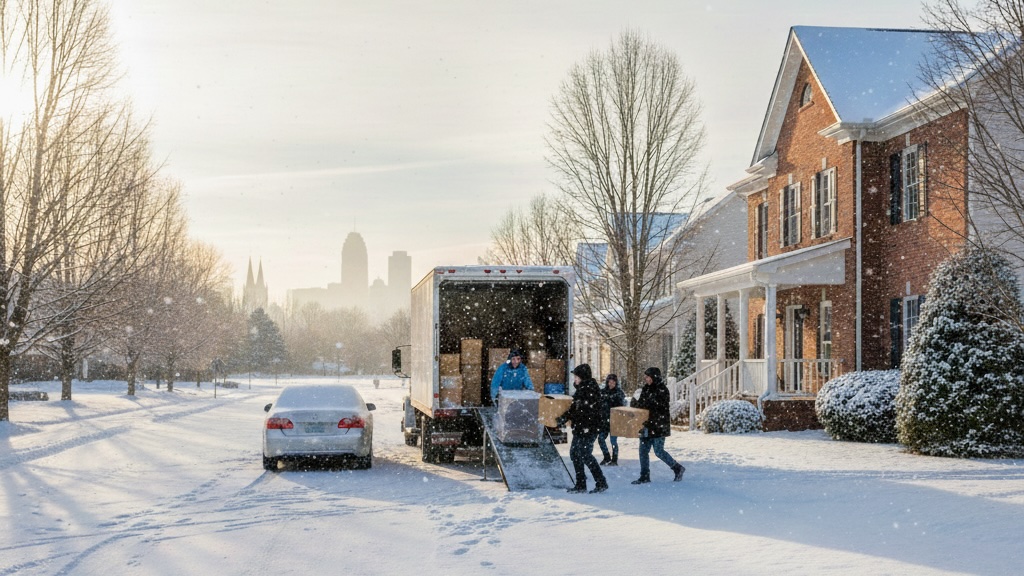
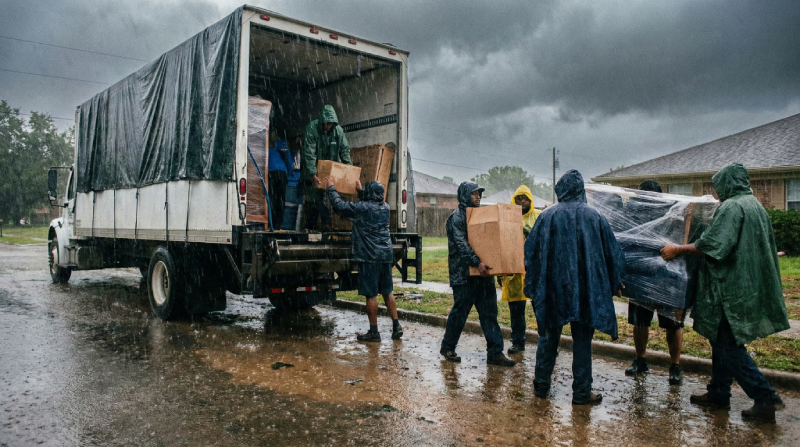
Spring and fall offer the most comfortable moving weather, though these remain busy seasons with higher demand. Summer moves mean dealing with heat and humidity, but often more availability. Winter moves have less traffic but risk occasional ice storms. Plan flexibility into your moving date when possible.
School calendars affect suburban moving patterns a lot. Families typically move during summer break, creating peak demand in June and July. Think about moving in early spring or late fall for better availability and potentially lower costs. University schedules impact Durham and Chapel Hill, with August bringing student move-ins.
Moving to a City Close To Raleigh, NC
The communities surrounding Raleigh offer different options for every lifestyle and budget. From Cary's polished suburbs to Durham's urban energy, each area provides unique advantages. If you are moving to another state and are new to the area, focus on your priorities, whether that's minimizing commute time, finding top schools, or getting the best home value. Visit your top choices multiple times, thinking about traffic patterns and community feel. Remember that the "best" community depends entirely on your individual needs, work location, and lifestyle preferences. Take time to explore these options thoroughly before making your decision, as the right choice will make your Triangle area experience much more enjoyable.
Frequently Asked Questions
What is the closest major city to Raleigh, NC?
Durham is the closest major city at 25 miles away (25-40 minute commute via I-40 or US-70).
Which cities near Raleigh have the best schools?
Cary, Apex, Wake Forest, and Chapel Hill-Carrboro consistently rank highest, though you should research specific school assignments as quality varies by neighborhood.
What is the cost of living difference between Raleigh's suburbs?
Early spring or late fall provides the best balance of comfortable weather and availability, avoiding summer's peak family moving season and winter's occasional ice storms.
Chapel Hill is the most expensive ($600,000-$1 million+), followed by Cary and Apex ($450,000-$650,000), then Holly Springs and Fuquay-Varina ($400,000-$600,000), with Clayton and smaller towns offering the lowest prices ($350,000-$500,000).
What's the difference between Wake County and Johnston County for homebuyers?
Wake County offers higher-rated schools and better infrastructure but higher costs, while Johnston County (Clayton) provides more affordable housing and slightly lower taxes but longer commutes and different school districts.






































.webp)