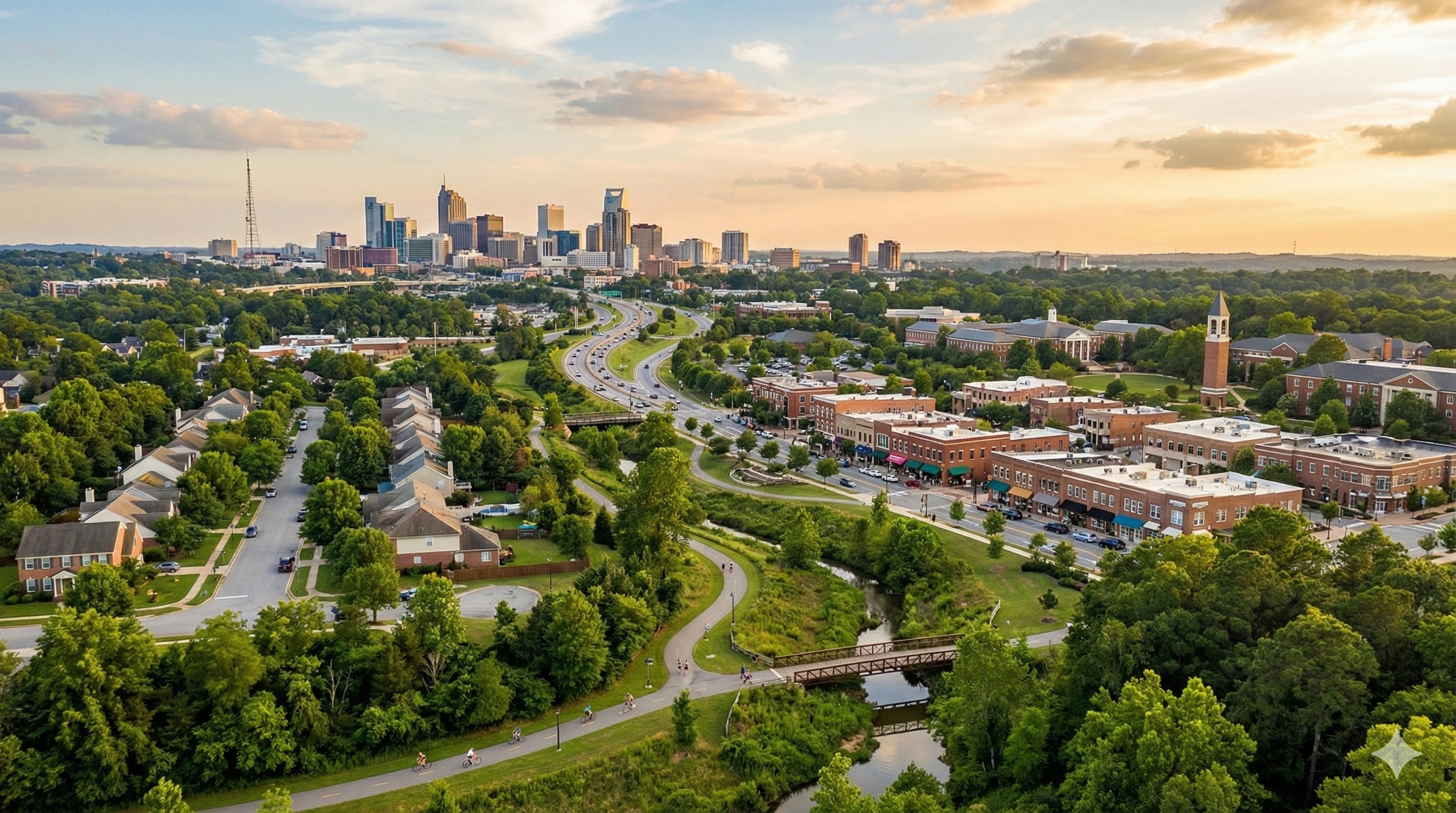
Charlotte's best neighborhoods range from walkable urban areas like South End and Uptown to established suburbs like Myers Park and Ballantyne. Each area has different advantages in walkability, housing costs, transit access, and community character. This guide provides detailed neighborhood profiles and comparison data to help you match Charlotte's communities with your needs—whether that's nightlife along the Blue Line, top-rated schools, or quiet residential streets.
How Charlotte Neighborhoods Get Ranked for Different Lifestyles
Charlotte's neighborhoods vary widely in character, from high-rise living in Uptown to suburban developments in Ballantyne. This guide evaluates Charlotte neighborhoods based on walkability scores, transit access via the LYNX Blue Line, proximity to parks and greenways, housing diversity, and neighborhood amenities. Safety information comes from resident feedback and crime statistics. For a detailed analysis of North Carolina's safest cities and communities, including specific crime rates and rankings, see our safety guide. Commute convenience looks at access to major employment hubs like Uptown, University City, and SouthPark.
Each neighborhood profile includes lifestyle compatibility for families, young professionals, remote workers, and retirees. Housing costs reflect 2026 market conditions, with rental and purchase price ranges noted where significant. The guide focuses on neighborhoods with distinct identities and strong community features rather than generic suburban subdivisions.
Top Charlotte NC Neighborhoods Worth Considering
Uptown Charlotte Makes Urban Living Work
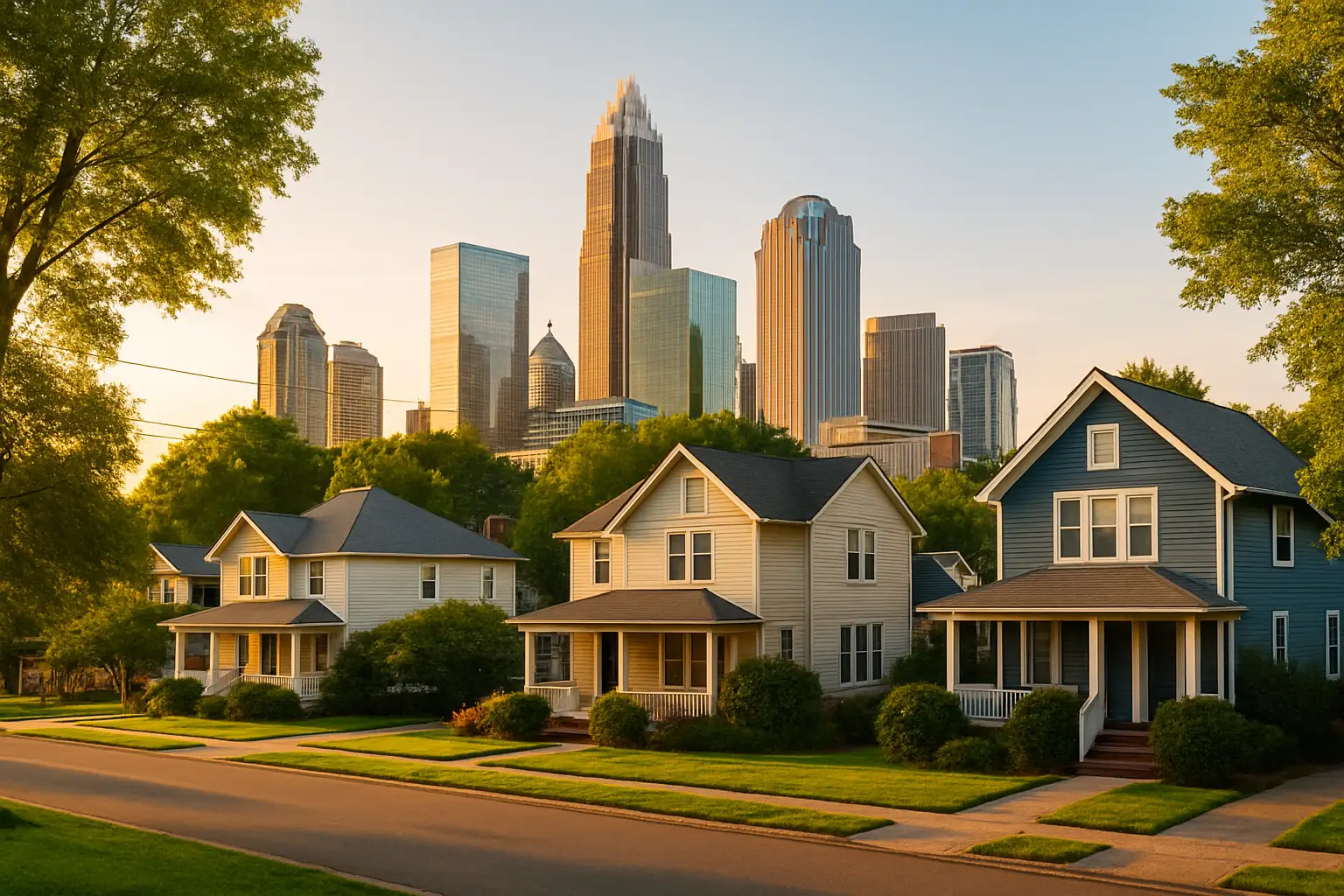
Uptown is Charlotte's urban core, divided into four wards with different personalities. Fourth Ward has historic Victorian homes alongside modern condos, while First Ward features newer high-rise developments. The area provides Charlotte's highest walkability with restaurants, museums, and entertainment venues within walking distance. The Blue Line and Gold Line streetcar meet here, making car-free living possible for many residents.
Why people choose Uptown:
- Walk to work for banking and corporate professionals
- Access to Spectrum Center events, museums, and nightlife
- Romare Bearden Park and Trail connections
Tradeoffs to consider:
- Limited free parking and expensive monthly garage rates
- Higher crime rates than suburban neighborhoods
- Premium pricing for groceries and dining
Best for: Young professionals, empty nesters wanting urban convenience, and anyone working downtown who wants to eliminate commutes.
South End Brings Energy Along the Rail Trail
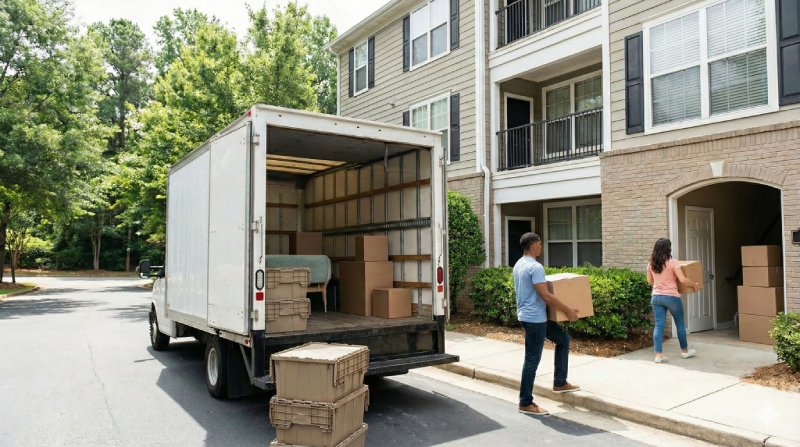
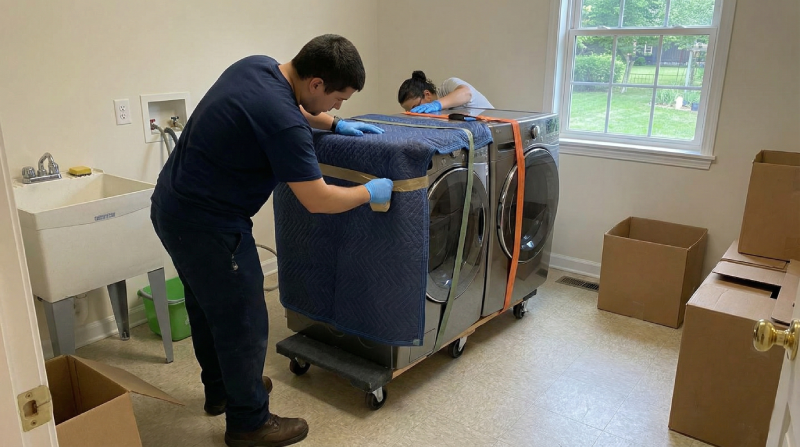
South End transformed from industrial district to Charlotte's hottest neighborhood for young professionals. The Rail Trail runs through the heart of South End, connecting breweries, restaurants, and new apartment complexes. Design Center shops and weekend markets add variety beyond the bar scene. If you're considering professional apartment moving services for Charlotte relocations, South End offers numerous modern complexes with amenities.
Why people choose South End:
- Highest concentration of breweries and restaurants in Charlotte
- Direct Blue Line access to Uptown and southern suburbs
- Rail Trail provides car-free recreation and commuting
Tradeoffs to consider:
- Weekend crowds and limited street parking
- Mostly newer construction lacks historic character
- Rising rents push out long-time residents
Best for: Twenty and thirty-somethings who want social life and walkability over space and quiet.
Dilworth Balances History with Modern Convenience
As Charlotte's first streetcar suburb, Dilworth has tree-lined streets and early 20th-century architecture. Freedom Park and Latta Park provide green space, while East Boulevard offers local shops and restaurants. The neighborhood sits close enough to Uptown for easy commutes but far enough to avoid downtown congestion. Dilworth is one of the nicest neighborhoods in Charlotte for those wanting walkability without high-rise living.
Why people choose Dilworth:
- Historic homes with character and mature landscaping
- Family-friendly with parks and good school options
- Growing restaurant scene along East Boulevard
Tradeoffs to consider:
- Premium pricing for older homes needing updates
- Limited inventory creates competitive buying situations
- Parking challenges during events at nearby venues
Best for: Families wanting in-town living, professionals who bike to work, and anyone looking for established neighborhood charm.
Plaza Midwood Celebrates Charlotte's Creative Side
Plaza Midwood evolved from working-class roots into Charlotte's arts and food destination. Central Avenue anchors the neighborhood with independent restaurants, vintage shops, and music venues. Bungalow-style homes from the 1920s and 1930s mix with new construction as the area gentrifies. The neighborhood has more affordable options than South End while offering similar walkable amenities.
Why people choose Plaza Midwood:
- Diverse dining from tacos to fine dining along Central Avenue
- Independent businesses and local character
- More affordable than Dilworth or Myers Park
Tradeoffs to consider:
- Increasing property crime in some sections
- Rapid development changing neighborhood character
- Limited public transit beyond bus routes
Best for: Food enthusiasts, creative professionals, and buyers looking for character homes under $600,000.
NoDa Arts District Fosters Community Spirit
North Davidson transformed from textile mill area to arts district, keeping an alternative vibe despite recent development. The neighborhood hosts gallery crawls, live music venues, and craft breweries alongside artist studios. Blue Line extension improved transit access, spurring new apartment construction. The area offers some of the best neighborhoods in Charlotte for those who value culture over conventional amenities.
Why people choose NoDa:
- Authentic arts scene with working studios and galleries
- Dog-friendly breweries and casual dining spots
- Blue Line station provides downtown access
Tradeoffs to consider:
- Industrial surroundings lack traditional neighborhood feel
- Limited grocery and service options require driving
- Gentrification tensions between old and new residents
Best for: Artists, musicians, remote workers wanting community, and anyone drawn to alternative culture.
Myers Park Defines Charlotte Luxury Living
Myers Park has Charlotte's most expensive real estate with mansion-lined Queens Road and the Myers Park Country Club. The neighborhood features some of the best schools in Charlotte alongside upscale shopping at nearby SouthPark mall. Wide lawns and mature trees create a park-like setting throughout. Despite the premium pricing, demand stays strong for these established estates.
Why people choose Myers Park:
- Top-rated public schools and proximity to private schools
- Prestigious address with historic significance
- Large lots providing privacy in the city
Tradeoffs to consider:
- Million-dollar price tags common for desirable properties
- Car required for all errands and activities
- Limited diversity in housing types and price points
Best for: Established families, executives, and those wanting traditional luxury in Charlotte neighborhoods.
Elizabeth Neighborhood Offers In-Town Value
Elizabeth sits between Uptown and Plaza Midwood, providing relatively affordable access to city amenities. Independence Park gives residents 183 acres of green space with sports fields and walking trails. Presbyterian Hospital proximity appeals to medical professionals. The neighborhood has diversity in housing styles and price points compared to surrounding areas. Those researching the top neighborhoods and communities in Charlotte often overlook Elizabeth despite its advantages.
Why people choose Elizabeth:
- Lower prices than Dilworth for similar in-town location
- Independence Park access for recreation
- Quick access to Uptown and Plaza Midwood
Tradeoffs to consider:
- Busy Independence Boulevard creates traffic and noise
- Mix of property conditions requires careful selection
- Some blocks lack sidewalks despite urban location
Best for: First-time buyers, medical professionals, and budget-conscious urbanites.
SouthPark Combines Shopping with Suburban Comfort
SouthPark centers around the premier shopping mall but includes surrounding residential neighborhoods. The area offers everything from luxury condos to single-family homes on quiet streets. Phillips Place and Morrison provide additional shopping and dining beyond the mall. Symphony Park hosts outdoor concerts and events. The area represents upscale suburban living with urban amenities nearby.
Why people choose SouthPark:
- Premium shopping and dining without driving to Uptown
- Mix of housing options from condos to estates
- Central location with highway access throughout Charlotte
Tradeoffs to consider:
- Traffic congestion especially during shopping seasons
- Chain restaurants dominate over local options
- Premium pricing for suburban-style living
Best for: Shopping enthusiasts, suburban families wanting amenities, and professionals working in south Charlotte.
Ballantyne Delivers Master-Planned Living
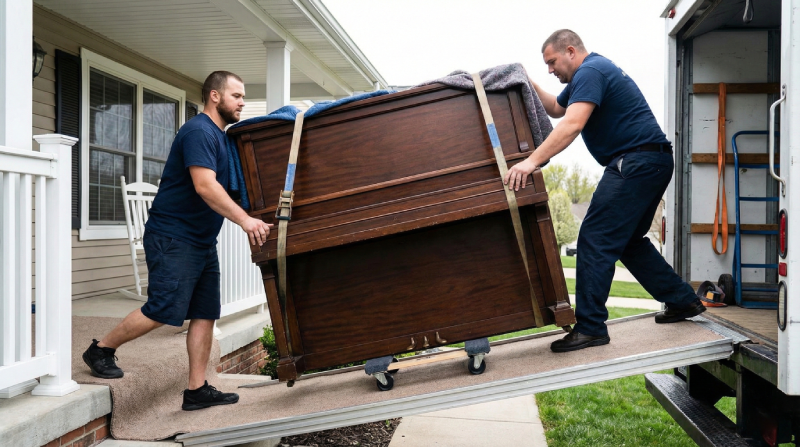
Ballantyne offers newer construction in a master-planned community with golf courses, corporate campuses, and shopping centers. The area provides suburban space with community amenities like pools, tennis courts, and walking trails. Good schools and family activities make it popular with relocating families. If you're working with residential moving companies for house relocations, Ballantyne's newer homes simplify the moving process.
Why people choose Ballantyne:
- New construction with modern amenities and efficiency
- Strong schools and family-oriented community
- Resort-style amenities in many subdivisions
Tradeoffs to consider:
- 30-45 minute commute to Uptown during rush hour
- Limited walkability requires driving for all errands
- HOA fees and restrictions in most communities
Best for: Families who want schools and space, remote workers, and those wanting suburban comfort.
University City Grows Around UNC Charlotte
University City developed around UNC Charlotte campus, creating a mix of student housing and family neighborhoods. Blue Line extension connected the area to Uptown, spurring development. Research Park provides employment without downtown commutes. The area offers more affordable options than many Charlotte neighborhoods while keeping decent amenities.
Why people choose University City:
- Blue Line provides transit to Uptown
- Affordable housing options for families and young professionals
- Proximity to university events and facilities
Tradeoffs to consider:
- Student housing creates transient population in some areas
- Strip mall development lacks neighborhood character
- Distance from Charlotte's cultural attractions
Best for: University staff and students, budget-conscious families, and tech workers in Research Park.
Finding Your Perfect Charlotte Neighborhood by Lifestyle
Best Charlotte Neighborhoods for Families
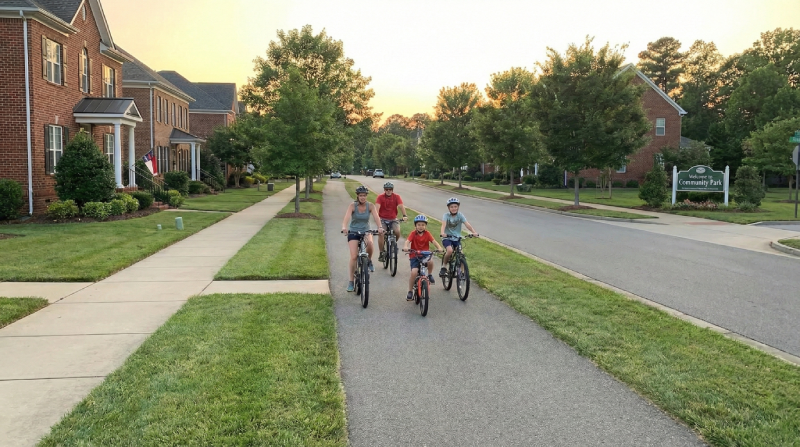
Charlotte's family-friendly neighborhoods split along a clear trade-off: established in-town areas like Myers Park and Dilworth have top-rated schools and walkable parks but cost more, while newer master-planned communities like Ballantyne offer modern homes and resort-style amenities at lower prices in exchange for longer commutes. School quality varies significantly even within neighborhoods because of shifting district boundaries, so research before committing to any area. Here are the top family neighborhoods based on priorities:
- Myers Park and Dilworth for established prestige: These historic neighborhoods have Charlotte's highest-rated public schools, mature trees, and walkable parks, but typical home prices exceed $800,000.
- Ballantyne for new construction value: Master-planned subdivisions offer homes from $450,000-$700,000 with community pools, tennis courts, and strong schools, though Uptown commutes reach 30-45 minutes during rush hour.
- Elizabeth and University City for budget-conscious families: These areas provide park access and decent schools at more accessible price points ($300,000-$500,000), with trade-offs in walkability and neighborhood polish.
- Commute and school boundary considerations: Family-friendly neighborhoods typically sit 20-45 minutes from Uptown, and school assignment boundaries change periodically. Verify current zones before purchasing and factor commute costs into your housing budget.
Top Charlotte Neighborhoods for Young Professionals
Young professionals in Charlotte typically choose between high-energy urban districts that offer social access and walkability versus more affordable neighborhoods with local character but greater car dependence. South End and Uptown eliminate commute stress for banking and corporate jobs while placing restaurants and nightlife within walking distance, but monthly rents for one-bedroom apartments frequently exceed $1,800. Charlotte and other NC cities appeal to finance professionals and tech workers seeking career advancement. Here's how young professionals match neighborhoods to priorities:
- South End and Uptown for walkable convenience: These neighborhoods deliver the shortest commutes to major employers, abundant nightlife, and grocery stores within walking distance, though premium rents and limited parking are standard.
- Plaza Midwood and NoDa for arts and affordability: Creative professionals gravitate toward these neighborhoods for independent restaurants, live music venues, and lower rents ($1,200-$1,500 for one-bedrooms), accepting trade-offs in transit access and parking.
- Elizabeth as the middle-ground option: This neighborhood splits the difference with prices 15-20% below Dilworth while maintaining quick access to both Uptown jobs and Plaza Midwood's social scene.
- Blue Line corridor for downtown workers: Stations in South End, NoDa, and University City provide car-free commutes to Uptown, offering flexibility to live farther out while maintaining transit access.
Charlotte's Most Walkable Neighborhoods
Charlotte remains primarily car-dependent, but a handful of neighborhoods support daily life without driving for most errands and activities. Uptown and South End lead with full-service grocery stores, pharmacies, restaurants, and services clustered within half-mile radiuses of residential areas, while Dilworth and Plaza Midwood offer moderate walkability limited to commercial corridors. Here's what walkability looks like across Charlotte neighborhoods:
- Uptown and South End for complete car-free living: These areas include Harris Teeter and Publix locations, multiple pharmacies, extensive restaurant options, and direct Blue Line access, making daily car use optional rather than required.
- Dilworth and Plaza Midwood for corridor walkability: East Boulevard and Central Avenue provide walkable retail strips with restaurants and shops, though residents typically drive for grocery shopping and services off the main drags.
- Greenway connections for car-free recreation: The Rail Trail and Little Sugar Creek Greenway link neighborhoods with walking and biking paths, though these primarily serve recreational rather than utilitarian trips.
- Transit infrastructure improvements underway: Charlotte continues expanding Blue Line stations and pedestrian infrastructure along rail corridors, with NoDa and University City seeing recent walkability improvements following station openings.
Choosing Your Charlotte Neighborhood: Step by Step
Start your neighborhood search by establishing your budget range for rent or purchase. Charlotte's housing costs vary dramatically between neighborhoods, with Myers Park commanding three times Elizabeth's prices for similar square footage. Factor in transportation costs since outer neighborhoods may offer savings offset by commute expenses. Consider whether you're relocating to North Carolina for work or lifestyle long-term or temporarily, as this affects the rent-versus-buy calculation.
Next, map your commute requirements and tolerance. Uptown workers can walk from several close-in neighborhoods, while University City employment might require northern suburbs. Test drive commutes during rush hour before committing to understand real travel times. Remote workers gain flexibility but should consider internet reliability and coffee shop availability for occasional office needs.
Evaluate your lifestyle priorities between urban energy and suburban space. Families might sacrifice walkability for yards and quiet streets, while singles might choose studio apartments in happening neighborhoods. Visit neighborhoods during different times to understand noise levels, parking availability, and resident demographics. Charlotte's neighborhoods each maintain distinct personalities that become apparent through exploration. For those considering retiring in North Carolina, Charlotte offers diverse communities with healthcare infrastructure and cultural amenities that enhance retirement years.
Making Your Charlotte Neighborhood Choice Count
Charlotte's neighborhoods sort into three clear tiers: premium urban districts (South End, Uptown) where walkability commands $1,800+ rents; established in-town communities (Myers Park, Dilworth) trading $800,000+ home prices for top schools and mature trees; and value plays (Ballantyne, University City, Elizabeth) sacrificing location for space and affordability. The Blue Line creates a fourth category: transit-oriented neighborhoods like NoDa gaining convenience as Charlotte expands rail access.
The critical insight most guides miss: Charlotte's growth pattern rewards patience in emerging corridors. Plaza Midwood transformed from overlooked to desirable as walkability improved; University City gained relevance with Blue Line extension; South End evolved from warehouses to Charlotte's densest urban core. Neighborhoods currently lacking transit or retail infrastructure may gain both as development follows population growth.
Your move succeeds when you match neighborhood selection to your actual daily patterns rather than aspirational lifestyle. Remote workers overpaying for Uptown proximity waste resources; families stretching budgets for Myers Park when Ballantyne schools perform similarly create unnecessary stress. Test your assumptions with trial visits during rush hour, evening, and weekends before committing.
Our residential moving services handle the logistics while you focus on settling into your chosen neighborhood.
Frequently Asked Questions About Charlotte Neighborhoods
What's the most affordable neighborhood in Charlotte for renters?
University City and Elizabeth offer one-bedroom apartments for $1,200-$1,500 monthly, compared to $1,800-$2,500 in South End or Uptown.
Do I need a car to live in Charlotte?
Only Uptown and South End support car-free living with walkable grocery stores and Blue Line access. All other neighborhoods require cars for daily errands.
Which neighborhood should I choose if I work remotely?
Plaza Midwood and NoDa offer coffee shops and arts scene, Dilworth provides quiet streets with walkable amenities, while Ballantyne delivers space without commute requirements.
Are Charlotte's Blue Line neighborhoods worth the premium?
The 10-20% price premium makes sense only for daily Uptown commuters who'll save $150-$300 monthly on parking and eliminate commute stress.




.webp)