
Planning a move means budgeting for hidden moving costs to avoid: extra charges for stairs, insurance gaps, and forgotten expenses like utility deposits that add 8-12 unexpected fees to your quote. These surprises often turn a $1,200 estimate into a $2,000 reality, leaving families scrambling on moving day. This article identifies 17 common hidden costs, when they appear, and how to spot them in contracts. You'll discover specific questions for movers, documentation strategies, and practical methods to reduce surprise charges.
Hidden Moving Company Fees That Appear After Your Quote
Professional moving companies often provide initial estimates that cover only basic services. The real costs emerge when site conditions, special items, or timing issues trigger additional charges that weren't discussed during your phone quote.
Stairs and Flight Charges
Most moving companies charge $50-100 per flight of stairs beyond the first floor. This fee applies at both pickup and delivery locations, meaning a third-floor apartment move could add $200-400 to your bill.
Companies justify these charges due to increased labor time and injury risk, but many fail to ask about stairs during initial estimates. To avoid this surprise, mention all stairs, including basement access and split-level homes, during your estimate request.
Elevator Fees and Building Access Restrictions
High-rise moves trigger multiple access-related charges that can total $150-300. Elevator reservation fees from your building management typically run $100-250, while moving companies add their own elevator fees of $50-75 per location for the extra time required.
Some buildings restrict move-in times to specific windows, potentially triggering overtime rates if your move extends beyond regular hours. Contact your building management at least two weeks before moving to understand all requirements and fees.
Long Carry Distance Charges
When movers must carry items more than 75 feet from the truck to your door, long carry fees kick in at $0.50-1.00 per foot. A 200-foot carry distance could add $125-200 to your bill.
Common triggers include homes with long driveways, apartment buildings with distant parking, and properties with stairs or hills between the truck and entrance. Measure the actual walking distance from likely truck parking spots to your door, then discuss this measurement during your estimate to get accurate pricing. For tips on safely handling the physical aspects of your move, see our guide on how to move furniture.
Shuttle Service for Truck Access Problems
Large moving trucks can't navigate narrow streets, low bridges, or tight parking areas. When this happens, movers must transfer your belongings to a smaller shuttle truck, adding $200-400 in shuttle fees.
Weight restrictions on certain roads or homeowner association rules against large trucks also trigger shuttle requirements. During your estimate, ask whether a 26-foot truck can access both locations and park within 50 feet of the entrance.
Specialty and Bulky Item Surcharges
Items requiring special handling generate fees ranging from $100-500 each. These charges apply even if you didn't request special handling. Movers will add them when they discover these items on moving day.
Common specialty items and their typical charges include:
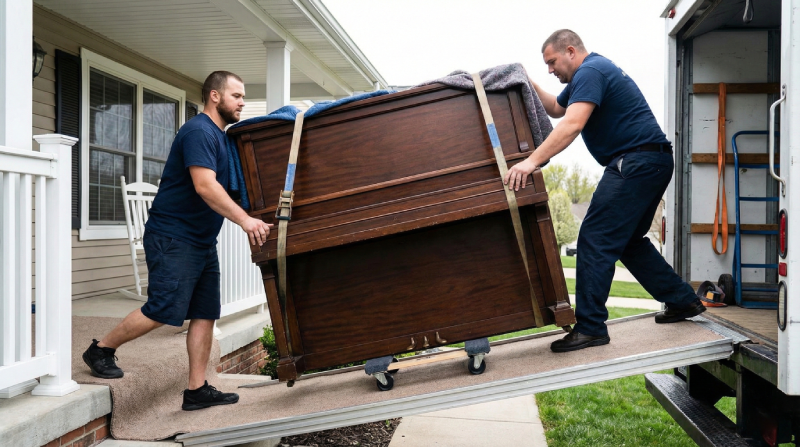
- Pianos: $150-300 extra depending on type and stairs involved
- Gun safes, hot tubs, and exercise equipment like Pelotons: $100-200 per item
- Pool tables: $300-500 due to disassembly requirements
Packing Labor and Material Costs
Professional packing services cost $25-50 per hour per packer, plus materials. A two-bedroom apartment might require $500-800 in packing labor.
Even if you pack yourself, movers might refuse to transport boxes they consider improperly packed, forcing last-minute professional packing at premium rates. Many policies exclude liability for customer-packed items, creating pressure to pay for professional packing you hadn't budgeted for. Learn more about whether movers pack for you and the associated costs.
Schedule Changes and Waiting Time
Last-minute rescheduling typically triggers fees of $200-500 or more. If you're not ready when movers arrive, waiting time charges of $50-100 per hour begin after a 15-30 minute grace period.
Delays at origin that push delivery into the next day can trigger overnight fees and additional travel charges. Some companies charge "attempted delivery" fees if you can't accept shipment on the scheduled date, even if they didn't confirm the delivery window.
Contract and Payment Surprises That Catch People Off Guard
The difference between verbal promises and written contracts creates some of the most frustrating hidden moving costs. Understanding estimate types and payment timing helps you avoid these expensive surprises.
Verbal Quotes Versus Written Estimates
That attractive phone quote means nothing without written documentation. Verbal quotes often exclude critical charges that appear later in written estimates.
Federal regulations for interstate moves require written estimates, but many companies provide lowball verbal quotes to hook customers before revealing true costs. Common exclusions include:
- Extra charges for stairs, long carries, and shuttle services
- Insurance coverage beyond basic liability
- Fuel surcharges and environmental fees
Never book based on verbal quotes alone. Always demand a written estimate listing all potential charges. For a comprehensive list of questions to protect yourself, review our guide on moving questions to ask movers.
Binding Versus Non-Binding Estimate Differences
Non-binding estimates can increase unlimited amounts based on actual weight and services. You might budget $1,500 based on the estimate but owe $2,500 after weighing.
Binding estimates lock in the price for listed services but still allow additional charges for services not originally included. Here are the differences:
- Non-binding estimates adjust based on actual weight and discovered conditions
- Binding estimates protect against weight changes but not scope changes
- For interstate moves, companies can demand up to 110% of a non-binding estimate at delivery, with the balance due within 30 days
Broker and Carrier Disclosure Gaps
Moving brokers sell your move to actual carriers, often hiding this relationship until pickup day. The carrier might demand different prices than the broker quoted, claiming underestimated weight or undisclosed site conditions.
Your contract with the broker becomes meaningless when the carrier demands more money to release your belongings. This creates a situation where:
- The broker's quote doesn't bind the actual carrier performing your move
- The carrier can refuse delivery until you pay their higher price
- You have limited recourse since your contract is with the broker, not the carrier
Always verify whether you're dealing with a broker or actual carrier before signing anything.
Weight-Based Pricing Tricks for Long-Distance Moves
Interstate moves priced by weight create opportunities for overcharging through manipulated measurements and missing documentation. If you're planning a long-distance relocation, explore strategies in our guide on the cheapest way to move out of state.
Weight Tickets and Documentation Rights
Federal law grants you the right to observe both weighings and receive copies of weight tickets. Yet many companies skip the empty weight entirely, using estimated tare weights that inflate your costs. Others weigh trucks with extra equipment or fuel that shouldn't count toward your shipment weight. Without proper documentation, you can't challenge inflated weights that add hundreds to your bill.
Your Right to Request a Reweigh
You can demand a reweigh before unloading if you suspect weight manipulation. The company cannot charge for this reweigh, and you pay based on the lower of the two weights. Many movers pressure customers to accept delivery without mentioning reweigh rights, or claim reweighing would delay delivery by days. Know this right exists and use it if weight seems unreasonable compared to your inventory.
Insurance Gaps Creating Hidden Costs After Damage
Moving insurance creates hidden costs not through upfront fees, but through inadequate coverage that leaves you paying to replace damaged items.
Released Value Versus Full Value Protection
Basic released value protection covers just $0.60 per pound per item. That means your 50-pound television worth $800 would pay out just $30 if destroyed. Full value protection costs more upfront but covers repair or replacement value. The hidden cost emerges when damage occurs and you discover basic coverage barely covers anything. That saved $200 on insurance becomes a $2,000 loss when valuable items get damaged.
High-Value Declaration Requirements
Items worth over $100 per pound require special declaration, or they're excluded from even full value coverage. Miss this requirement, and your valuable electronics, artwork, or jewelry have no meaningful protection. Movers often bury these requirements in contract fine print, and you discover the exclusion only after filing a damage claim.
Storage and Timing Expenses You Didn't Anticipate
When moving schedules shift, storage and redelivery charges quickly accumulate into major unexpected expenses.
Storage at Destination Scenarios
If you can't accept delivery when the truck arrives (whether due to closing delays, apartment availability, or payment issues), your belongings go into storage at your expense. Storage-in-transit (SIT) fees run $50-150 per day, plus warehouse handling charges of $200-400. After 30 days, permanent storage rates apply, potentially doubling costs.
Redelivery and Access Charges
Getting belongings out of storage triggers new fees. Redelivery from storage costs $500-1,000 or more, basically charging you for a second move. Warehouse access fees of $50-100 apply if you need to retrieve specific items before full redelivery. Some companies charge monthly minimums whether you need storage for three days or thirty.
Hidden Moving Expenses Often Forgotten
Beyond moving company charges, dozens of related expenses drain moving budgets. These overlooked costs of moving can total $1,000-3,000 beyond your mover fees.
Utility setup fees and deposits hit particularly hard. Budget $500-1,000 just for utility setup at your new location, especially if you have limited credit history there.
- New electricity service might require a $200 deposit
- Gas, water, internet, and trash services each add their own deposits and connection fees
Property-related costs multiply quickly during transitions. Security deposit forfeitures due to normal wear disputes are frustratingly common. To protect your deposit, follow our detailed move-out checklist for tenants and landlords.
- Professional cleaning for move-out requirements costs $200-500
- Minor repairs to meet lease obligations could add another $300-600
- Your new place might need immediate updates like shower curtains, toilet seats, or blinds that landlords didn't handle
Travel expenses during the moving process add up fast. Pet boarding or transportation needs special consideration. Even local moves generate surprising travel costs when you're making multiple trips or feeding helper friends.
- Hotel stays if your move spans multiple days
- Meals during packing and travel
- Fuel costs for multiple vehicles
Administrative expenses seem minor individually but compound quickly. USPS charges $1.25 for online address changes, though it's free in person.
- Driver's license updates cost $25-50
- Vehicle registration in a new state might run $100-300
- Professional license transfers, voter registration, and school record transfers all carry fees
How to Avoid Surprise Moving Charges: Your Protection Checklist
Document everything before move day to establish baseline expectations. This creates a clear record of conditions and items that might trigger extra fees.
- Take photos of all access points, stairways, and walking distances
- Measure exact distances from probable truck parking to your door
- Photograph all valuable and specialty items that might trigger extra fees
- Create an inventory list with photos, estimated weights, and replacement values for insurance purposes
Ask these specific questions when getting estimates to uncover hidden fees. Getting written confirmation prevents disputes about what was promised versus what you owe.
- Request a complete list of all potential extra charges and their triggers
- Ask whether the quote includes fuel surcharges, insurance, and materials
- Get clarity on what happens if actual conditions differ from the estimate
- Get written confirmation of what services are included versus excluded
Reduce physical triggers for extra charges through advance preparation. Simple steps taken weeks before moving day can eliminate hundreds in potential fees.
- Reserve elevator times two weeks before moving day
- Obtain necessary parking permits for the moving truck
- Clear pathways of any obstacles that might trigger long carry fees
- Disassemble complex items yourself to avoid assembly charges
Choose optimal timing to avoid peak pricing. Strategic scheduling can save 15-20% on your total moving costs.
- Book mid-month, mid-week moves for better rates
- Avoid summer months when demand peaks and crews stretch thin
- Schedule during business hours to avoid overtime charges
- Build buffer time into your schedule to prevent rushed decisions that cost extra
Protect Your Moving Budget From Hidden Cost Surprises
The difference between a $1,200 move and a $2,000 shock comes down to three actions: getting written estimates that list every potential charge, documenting your site conditions before movers arrive, and verifying whether you're hiring a carrier or broker. Most hidden fees aren't inevitable. They're the result of vague contracts and undisclosed conditions. Build a 20% buffer, yes, but more importantly, use your legal rights to observe weighings, demand reweighs, and refuse charges not specified in writing. The lowest quote rarely delivers the lowest final cost.
Reliable moving company comparison guides walk through specific contract clauses to watch for and questions that expose hidden fee structures before you sign. Our guide at how much does it cost to hire a moving company covers these details.
FAQ
Can movers hold belongings hostage for more money?
Yes, especially with interstate moves where operators can demand cash payment exceeding the estimate before unloading your belongings.
How much extra should I budget beyond the moving estimate?
Add 20-30% buffer for hidden costs, especially for long-distance moves with weight-based pricing.
Are there alternatives to avoid hidden fee risks?
Hybrid moving services where you rent the truck and hire labor-only help provide transparent hourly pricing without typical hidden fees.
Can I dispute surprise charges after my move?
Credit card payments offer dispute protection, but cash payments leave you with minimal recourse against unexpected charges.


















































.webp)